Choosing between cable TV and streaming depends on your priorities and budget. If you love live sports, a wide channel lineup, and a reliable signal, cable might be best for you. But if you prefer on demand content, flexibility, and lower costs that fit your lifestyle, streaming services are a great option. Consider your internet quality and viewing habits. To find out more about which option suits your lifestyle, explore the details below.

Get the latest gadgets delivered free — and shop member deals
- Fast, free delivery on millions of items
- Access to Prime Big Deal Days deals on October 6–7
- Prime Video, Amazon Music and more included
Key Takeaways
- Consider if you prioritize live sports and broad channel access, which favors cable TV.
- Evaluate your preference for on demand content and viewing flexibility, ideal for streaming.
- Assess your budget, as streaming generally offers more cost-effective, customizable plans.
- Check your internet reliability, since streaming requires a strong connection for optimal quality.
- Match your lifestyle needs: on-the-go viewing and multiple devices lean toward streaming; reliable signal favors cable.
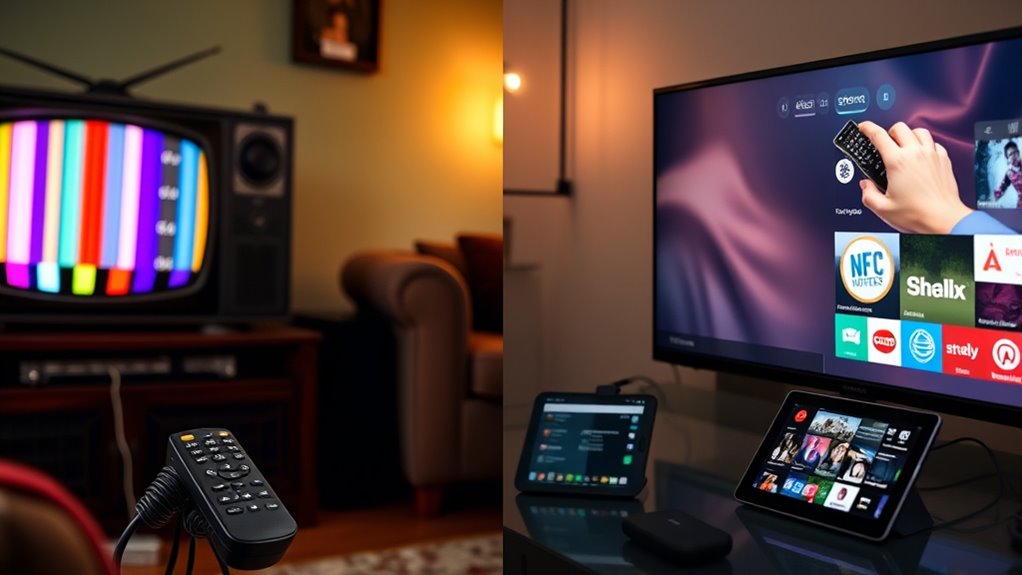
Are you wondering whether to stick with traditional cable TV or switch to streaming services? The decision largely depends on your viewing habits and what you value most in your entertainment. Cable TV offers a wide range of channels, including sports packages that let you watch live games and events as they happen. If you’re a sports enthusiast, cable might seem like the straightforward choice because of the extensive sports coverage available. Plus, with cable, you can access on demand content from a variety of networks, giving you the flexibility to watch shows and movies whenever it suits you. This convenience means you don’t have to plan your schedule around TV programming, which is especially helpful if you have a busy lifestyle.
On the other hand, streaming services have revolutionized how you consume entertainment. They offer a vast library of on demand content, allowing you to choose what to watch at any time without waiting for scheduled broadcasts. If you prefer binge-watching entire seasons or exploring niche genres, streaming platforms like Netflix, Hulu, or Amazon Prime are excellent options. Many of these services also provide live sports streaming or add-ons for sports packages, so if sports are still a priority, you can often find a way to access those games without the need for traditional cable. Additionally, streaming services tend to be more flexible and cost-effective. Instead of paying for dozens of channels you rarely watch, you can subscribe to specific platforms that cater to your interests—saving money and reducing clutter.
Another consideration is the availability of high-quality internet, which can influence your streaming experience and may be a deciding factor if your internet connection isn’t reliable. The choice also hinges on your budget and how much control you want over your viewing experience. Cable bills can be hefty, especially when you add premium channels or sports packages. Streaming services usually have lower monthly fees, and you can cancel or switch plans easily. Plus, streaming offers the benefit of watching on multiple devices—smartphones, tablets, smart TVs—anywhere you have an internet connection. This mobility appeals to those who want to watch on the go or share screens with the family.
However, streaming isn’t perfect for everyone. If you live in an area with poor internet connectivity, you might experience buffering or quality issues, which can disrupt your viewing. Cable can provide a more reliable signal, especially in rural areas. Ultimately, it boils down to your preferences: do you prioritize live sports and a broad channel lineup, or do you value on demand content and the flexibility of streaming? Both options have their merits, but understanding what’s most important to you will help you choose the right entertainment setup.
Frequently Asked Questions
Can I Combine Cable TV and Streaming Services Effectively?
Yes, you can effectively combine cable TV and streaming services. By choosing bundled packages, you save money while accessing traditional channels and streaming options. This setup offers content diversity, letting you enjoy live TV, sports, and on-demand shows all in one place. It’s flexible, giving you control over what you watch and how you watch it. Just make certain your internet connection is strong enough to handle streaming alongside cable usage.
How Do I Switch From Cable to Streaming Without Losing Channels?
You can switch from cable to streaming without losing channels by checking your favorite channels’ availability on streaming platforms and ensuring signal compatibility with your devices. Coincidences happen when you realize many streaming services now offer channel bundling options similar to cable, making the progression smoother. Just compare your current channel lineup, pick a compatible streaming service, and consider using digital antennas or smart TV apps to catch any missed channels.
Are There Hidden Costs With Streaming Services?
Yes, there can be hidden fees with streaming services. While subscription costs are usually clear, you might encounter additional charges for premium channels, extra devices, or pay-per-view content. Some platforms also have optional add-ons that increase your overall cost. Always read the fine print and check for hidden fees so you know exactly what you’ll pay each month, avoiding surprises and managing your budget effectively.
How Does Internet Quality Affect Streaming Performance?
Your internet quality directly impacts your streaming experience. If your internet speed is slow, you’ll likely face buffering issues, which disrupt your viewing. For smooth streaming, aim for at least 5 Mbps for HD content and 25 Mbps for 4K. Poor internet quality causes constant buffering, frustration, and lower video quality. Upgrading your internet plan or using a wired connection can markedly improve performance and reduce buffering issues.
Is There a Way to Record Shows on Streaming Platforms?
Yes, you can record shows on streaming platforms using DVR functionality or cloud recording. Many services like Hulu and YouTube TV offer built-in DVR options, allowing you to record shows and watch them later. Cloud recording stores your recordings online, so you can access them from any device. Check your chosen platform’s features to verify it offers DVR or cloud recording, making it easy to keep your favorite shows handy.
Conclusion
Ultimately, choosing between cable TV and streaming depends on your viewing habits and preferences. Did you know that 78% of viewers now prefer streaming because of its flexibility? If you want a broad selection of live channels and sports, cable might be better. But if you’re looking for convenience and cost savings, streaming could be the way to go. Consider what matters most to you—then make a choice that fits your lifestyle perfectly.
Fall Picks
fall essentials
As an affiliate, we earn on qualifying purchases.