
TL;DR

Get the latest gadgets delivered free with Prime
- Fast, free delivery on millions of items
- Prime Video, Amazon Music and more included
- Member-only deals all year
The UK government will begin using facial age estimation technology to assess the age of asylum seekers, despite internal reports showing the system’s significant inaccuracies and biases. The move raises questions about its reliability and potential human rights implications.
The UK government has announced plans to introduce facial age estimation technology at its borders to verify the ages of asylum seekers, despite internal reports revealing the technology’s significant inaccuracies and bias issues.
The Home Office plans to use AI-powered facial age estimation to help determine whether asylum seekers are minors or adults, a move that could affect thousands of vulnerable individuals. An internal report obtained by investigative outlets shows that these systems frequently misjudge ages, especially for individuals from Sub-Saharan Africa, with errors averaging 4.6 years for some groups. The technology has been tested but demonstrated substantial bias and inaccuracies, leading to the disbandment of a scientific advisory committee. Despite these concerns, officials say the system will serve as an ‘additional’ tool and not replace human judgment, though details on its real-world application remain unclear.
Risks of Inaccuracy and Bias in Age Verification
This development matters because incorrect age assessments can lead to children being detained as adults, stripping them of legal protections, and potentially placing vulnerable individuals in inappropriate detention settings. The internal findings highlight serious flaws in the technology, raising questions about its fairness and reliability in high-stakes situations involving vulnerable populations.
As an affiliate, we earn on qualifying purchases.
UK’s Use of Facial Age Estimation in Immigration Policy
The UK first announced plans to implement facial age estimation in July 2025, aiming to combat false age claims among asylum seekers. The technology has been tested but faced criticism due to its known inaccuracies and biases, particularly against African migrants. An internal report shows that the system can be off by several years, with worse performance for certain demographics. The Home Office disbanded a scientific committee that was supposed to advise on age estimation methods amid these concerns, raising questions about the robustness of the policy.
“The face scans are hideously inaccurate and contain serious bias problems.”
— Tim Cole, emeritus professor of medical statistics at University College London
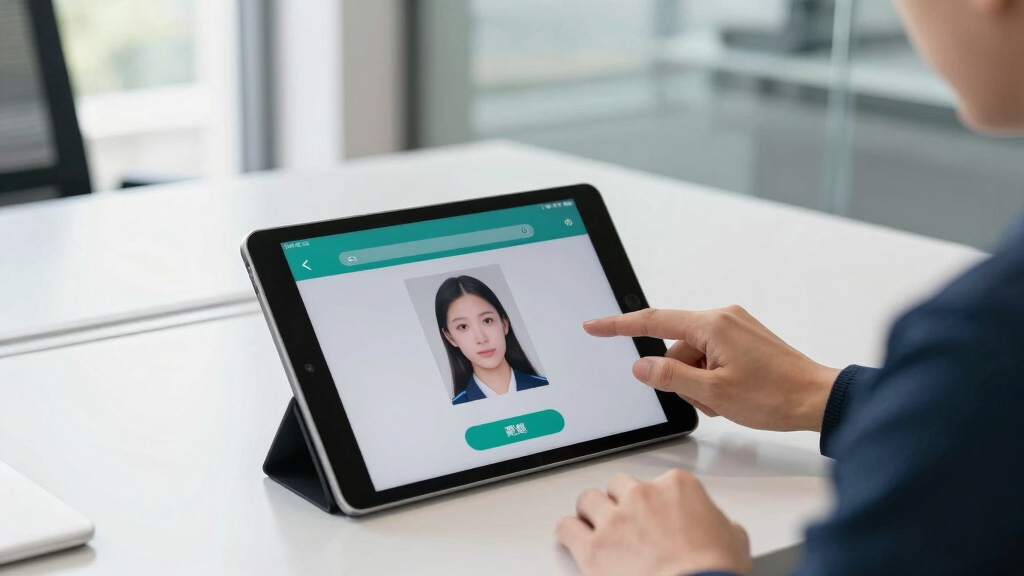
biometric facial recognition scanner
As an affiliate, we earn on qualifying purchases.
As an affiliate, we earn on qualifying purchases.
Unclear Details on Implementation and Oversight
It is not yet clear how the UK government plans to implement the technology in practice, how it will address the known inaccuracies, or how it will ensure fairness. Questions remain about the procedures for handling uncertain cases and whether the technology will be used as a decisive factor or merely as an aid to human judgment.
As an affiliate, we earn on qualifying purchases.
Next Steps for Technology Deployment and Oversight
The UK government is expected to proceed with the planned rollout in 2027, potentially incorporating further testing and adjustments. Human oversight will likely continue, but details on training, protocols for disputed cases, and appeals processes are still to be clarified. Monitoring and independent evaluations are anticipated to follow to assess the system’s real-world performance and fairness.
border security facial recognition system
As an affiliate, we earn on qualifying purchases.
As an affiliate, we earn on qualifying purchases.
Key Questions
Why is the UK using facial age estimation for asylum seekers?
The UK aims to verify the ages of asylum seekers more efficiently, especially when individuals lack documents. The technology is intended to help prevent adults from falsely claiming to be minors, which can affect detention and legal protections.
What are the main concerns about this technology?
Experts and investigations have raised concerns about the accuracy and bias of facial age estimation systems, particularly their tendency to misjudge ages of individuals from certain demographic groups, risking wrongful detention or legal consequences for vulnerable people.
Will the technology replace human judgment?
Officials state that the system will be an ‘additional’ tool and not replace human judgment, but details on how decisions will be made in practice are not yet clear.
What happens if the system is uncertain or inaccurate?
According to the Home Office, individuals will always be treated as children until further assessment is conducted, but the specific procedures for handling errors or disputes remain under development.
When will the system be fully operational?
The UK plans to implement the technology by 2027, but the exact timeline and operational protocols are still being finalized.
Source: Ars Technica
Fall Picks
fall essentials
As an affiliate, we earn on qualifying purchases.