
TL;DR
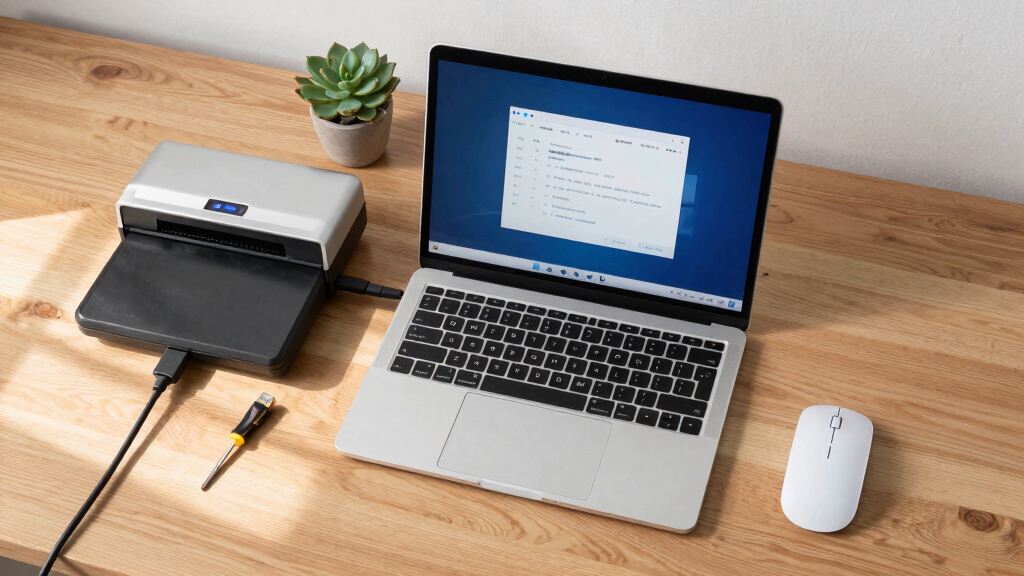
A new web application allows users to connect and operate old USB scanners directly through a browser. It uses an emulated Linux environment and WebUSB to bridge scanner communication over USB/IP. This development could extend the lifespan of legacy scanners and simplify access.
A developer has built a web application that enables users to connect and operate legacy USB scanners directly through a browser by using an in-browser Linux virtual machine bridged to WebUSB over USB/IP, marking a significant step in hardware compatibility and retro tech preservation.

Get the latest gadgets delivered free with Prime
- Fast, free delivery on millions of items
- Prime Video, Amazon Music and more included
- Member-only deals all year
The project leverages v86, an x86 CPU emulator running entirely in the browser via WebAssembly, to host a minimal Linux environment with SANE (Scanner Access Now Easy) installed. This setup allows the browser to interface with USB scanners as if they were connected locally. The core innovation involves bridging USB communication through USB/IP, which packages USB data into TCP packets, and then reconstitutes it within the browser environment. The process is facilitated by a custom JavaScript module that uses WebUSB API to connect the emulated scanner to the host computer. The developer demonstrated the app working with a CanoScan LiDE 100, with potential compatibility across hundreds of scanner models from various manufacturers, although broader testing remains ongoing. The approach effectively bypasses the limitations of modern browsers and operating systems that often lack native support for older or unsupported USB devices, offering a new pathway for hardware reuse and digital preservation.
Why It Matters
This development matters because it could extend the operational life of legacy scanners that are no longer supported by current OS drivers, reducing electronic waste and preserving access to historical hardware. It also demonstrates a novel method of integrating hardware directly with web technologies, potentially influencing future browser-based device management and remote hardware access solutions.
Products Worth Considering

Kindle Paperwhite (16 GB) – 7 Glare-Free Display, Black

Sony WH-1000XM6 Wireless Noise-Canceling Headphones, Black

Sonos One (Gen 2) Two-Room Set Voice-Controlled Smart Speaker with Alexa (2-Pack, Black)
As an affiliate, we earn on qualifying purchases.
Background
Historically, connecting old USB scanners to modern computers has required legacy drivers or virtual machines running older operating systems, which can be cumbersome. The developer’s earlier work on printer interoperability inspired this project, leveraging the v86 emulator to run Linux and SANE inside a browser. USB/IP technology has been used in other contexts for remote device sharing but integrating it with WebUSB in a browser environment for direct hardware access is novel. The project is still in experimental stages, with the app tested only on a single scanner model, but it hints at broader possibilities for hardware compatibility and web-based device management.
“This web app could redefine how we access and use legacy hardware, making old scanners usable without specialized drivers or virtual machines.”
— George MacKerron
“Bridging USB over WebUSB and USB/IP inside a browser opens new avenues for hardware compatibility and digital preservation.”
— Unnamed developer
What Remains Unclear
It is not yet confirmed how well this approach will perform across a wide range of scanner models or in different operating environments. Compatibility, stability, and security considerations still need thorough testing. The developer has only tested with one scanner model so far, and the project remains in experimental stages.
What’s Next
Further testing across various scanner models is expected, along with potential open-sourcing of the codebase. Developers and enthusiasts will likely explore broader compatibility, stability improvements, and possible integration into other web-based hardware management tools. Additional milestones include refining the emulation environment and expanding device support.
Key Questions
Can this web app work with all old USB scanners?
Currently, it has been tested only with a CanoScan LiDE 100, but the developer believes it should work with hundreds of other models. Broader compatibility remains to be validated through further testing.
Does this require special hardware or software?
No special hardware beyond a USB scanner is needed. The setup relies on a modern browser supporting WebUSB and the app running in a browser environment with internet access.
Is the code open source?
The developer has not yet open-sourced the project, citing ongoing development and testing. Future plans may include open-sourcing parts of the implementation.
What are the security implications?
Running emulated Linux environments and bridging hardware over WebUSB could pose security concerns, especially with untrusted devices or networks. These aspects are still under evaluation as the project develops.
Source: Hacker News