
TL;DR

Get the latest gadgets delivered free with Prime
- Fast, free delivery on millions of items
- Prime Video, Amazon Music and more included
- Member-only deals all year
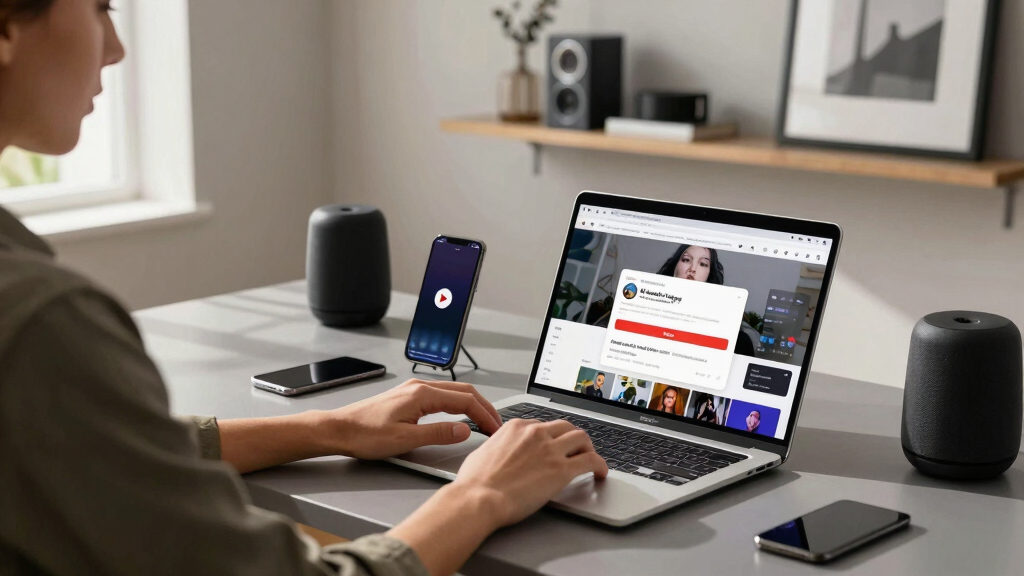
YouTube has announced the expansion of its AI deepfake detection tool to all users aged 18 and over. The feature allows users to identify and request removal of content that uses their likeness without consent. This move broadens user protection against deepfake videos on the platform.
YouTube has announced that it is expanding its AI deepfake detection tool to all users over the age of 18, allowing individuals to identify and request the removal of videos that feature their likeness without permission. This marks a significant shift in the platform’s approach to combating deepfake content and protecting user identities.
The AI likeness detection feature, which uses a selfie-style scan to monitor YouTube for videos that resemble a user’s face, was previously available only to content creators, government officials, politicians, journalists, and the entertainment industry. The expansion now makes this tool accessible to any adult user, giving them the ability to monitor content that may infringe on their likeness.
According to YouTube spokesperson Jack Malon, users can opt into the program, and the platform will evaluate takedown requests based on criteria such as whether the content appears realistic, is labeled as AI-generated, or if the individual can be uniquely identified. The system includes exemptions for parody or satire, and it only covers facial likeness, not other identifying features like voice. Users retain control over their participation and can request YouTube to delete their data if they choose to withdraw from the program.
Why It Matters
This development is significant because it empowers individual users to actively protect themselves from deepfake content, which has become a growing concern with advances in AI technology. While deepfakes often target celebrities or public figures, private citizens, including teenagers, have also been victims of malicious deepfake videos. The expansion could help mitigate the spread of such content and provide a new layer of security for everyday users.
Experts note that this move reflects broader industry efforts to address AI-generated misinformation and malicious content. However, the effectiveness of the tool depends on user engagement and the platform’s ability to accurately evaluate removal requests, which remains an ongoing challenge.
Products Worth Considering

LG UltraGear 34GX90SA-W 34-inch WQHD Curved OLED Gaming Monitor

LG UltraGear 32GX850A-B 32-inch 4K UHD Glossy OLED Gaming Monitor

LG UltraGear 32GS60QC-B 32-inch Curved QHD Gaming Monitor (180Hz, 1ms, 1000R, AMD FreeSync, HDR10)
As an affiliate, we earn on qualifying purchases.
Background
Deepfake technology has advanced rapidly over recent years, making it increasingly easy to create realistic videos of individuals without their consent. Previously, YouTube’s AI likeness detection was limited to specific groups, primarily content creators and public officials, as part of a pilot program. The recent expansion signals a recognition of the need for broader user protection amid rising concerns about privacy and malicious use of AI.
There have been documented cases of deepfake videos targeting teenagers and private individuals, with some legal actions taken against companies generating such content. The technology’s potential for misuse underscores the importance of tools that enable individuals to monitor and control their digital likeness.
“With this expansion, we’re making clear that whether creators have been uploading to YouTube for a decade or are just starting, they’ll have access to the same level of protection.”
— Jack Malon, YouTube spokesperson
What Remains Unclear
It is not yet clear how many users will opt into the program or how effectively YouTube’s system will identify and evaluate deepfake content. The platform’s capacity to handle potential misuse or false positives remains to be seen.
What’s Next
Following this expansion, YouTube is expected to monitor user engagement with the tool and refine its detection algorithms. The company may also introduce additional features or guidelines to improve accuracy and user experience. Further updates on the program’s impact and effectiveness are anticipated in the coming months.
Key Questions
How does the AI likeness detection tool work?
The tool uses a selfie-style scan to create a facial profile, which YouTube then compares against videos uploaded to the platform to identify potential deepfakes that resemble the user.
Can I opt out of the program after joining?
Yes, users can withdraw from the program at any time and request that YouTube delete their data from the system.
Will this tool detect all types of deepfakes?
The tool primarily detects facial likeness and may not identify deepfakes that manipulate other features, such as voice or body movements. It also considers whether the content is AI-generated or realistic.
Are there any limitations or exemptions?
The system includes exemptions for parody or satire content. It also only applies to videos where a user’s face is a primary feature.
What happens if a deepfake is identified?
If a user requests removal and the content meets YouTube’s criteria, the platform may remove the video or take other action based on its policies.