
TL;DR
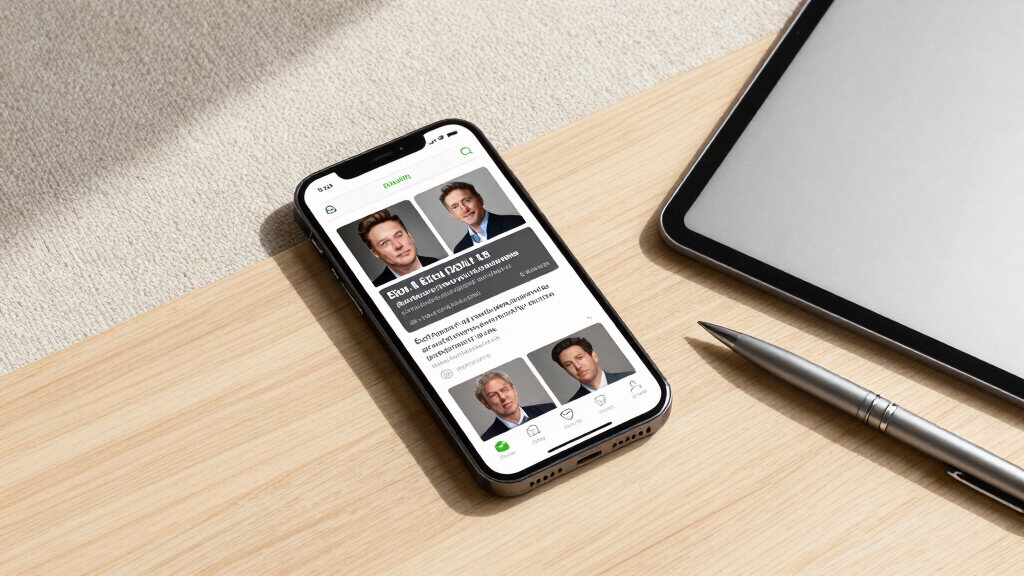
Elon Musk has filed a lawsuit against OpenAI, accusing its leaders of abandoning its founding mission for profit. The trial features testimonies from Musk, Altman, and other tech executives, with significant developments ongoing.
Elon Musk’s lawsuit against OpenAI has entered its third week, with Musk accusing the company’s leadership of betraying its founding mission and seeking damages up to $150 billion. The trial features testimonies from Musk, Sam Altman, and other key figures, highlighting a fierce legal dispute over the future direction of OpenAI.

Get the latest gadgets delivered free with Prime
- Fast, free delivery on millions of items
- Prime Video, Amazon Music and more included
- Member-only deals all year
Musk filed the lawsuit in 2024, alleging that OpenAI’s leadership, including Sam Altman and Greg Brockman, misled him when he invested in the company and shifted focus from developing AI for the benefit of humanity to profit-driven motives. Testimonies from high-profile witnesses, including Microsoft CEO Satya Nadella and former OpenAI CTO Mura Murati, have been presented in court. Musk’s team has introduced evidence such as a trophy inscribed with ‘Never stop being a jackass,’ which Musk claims was bought after he called a colleague a ‘jackass.’ Sam Altman has testified, denying allegations of dishonesty and emphasizing OpenAI’s commitment to safety and alignment. The trial also involves disputes over company finances, safety protocols, and investor relationships, with Microsoft’s involvement highlighted as a supporter of OpenAI’s development efforts.
Why It Matters
This lawsuit could significantly impact OpenAI’s governance and its mission to develop AI for societal benefit. If Musk succeeds, it might lead to major changes in the company’s leadership and operational structure, affecting the AI industry at large. The case also underscores tensions between profit motives and ethical AI development, with broader implications for AI regulation and corporate accountability.
Products Worth Considering

Apple AirPods Pro 3 Wireless Earbuds with Active Noise Cancellation

Bose Portable Smart Speaker with Alexa and Google Assistant, Black

Jackery Explorer 300 Portable Power Station, 292Wh
As an affiliate, we earn on qualifying purchases.
Background
Elon Musk was a cofounder of OpenAI and initially supported its mission to develop safe, beneficial artificial intelligence. Over time, Musk expressed concerns that OpenAI was shifting away from its original goals toward profit-driven priorities, leading to his lawsuit in 2024. The legal battle follows years of public disagreements and reflects broader industry debates about AI ethics, corporate influence, and the future of AI research. Key witnesses have included former OpenAI employees and industry leaders, with the trial exposing internal disputes over safety, funding, and company direction.
“We created, through a ton of hard work, this extremely large charity, and I agree you can’t steal it. Mr. Musk did try to kill it, I guess.”
— Sam Altman
“I never called anyone a jackass, but I might have said, ‘Don’t be a jackass.'”
— Elon Musk
“Microsoft’s involvement with OpenAI was aimed at demonstrating how to build out Azure for AI research.”
— Satya Nadella
What Remains Unclear
It remains unclear whether the court will accept certain pieces of evidence, such as the trophy, or how the judge will rule on Musk’s claims that OpenAI abandoned its mission. The potential damages and structural changes to OpenAI are also uncertain, pending court decisions and negotiations.
What’s Next
The trial is expected to continue with further cross-examinations and witness testimonies. Key decisions from the court on damages, leadership removal, or operational changes are anticipated in upcoming weeks. Both sides are preparing for possible appeals depending on the outcome.
Key Questions
What are Elon Musk’s main allegations against OpenAI?
Musk alleges that OpenAI’s leadership misled investors, abandoned its original mission to benefit humanity, and shifted focus toward profit, which he claims is a breach of trust and mission.
What is Sam Altman’s defense in the trial?
Altman denies the allegations, emphasizing OpenAI’s commitment to safety, ethical AI development, and its mission to align AI with human values. He also refutes claims of dishonesty and asserts that the company’s direction remains aligned with its founding principles.
How might this case impact OpenAI and the AI industry?
If Musk succeeds, it could lead to major governance changes at OpenAI, influence AI development policies, and reshape investor confidence. The case also raises broader questions about the balance between profit and ethical AI research.
What are the next steps in the legal process?
The trial will continue with additional testimonies and evidence presentation. Court rulings on damages, leadership changes, and operational directives are expected in the coming weeks, with potential appeals possible depending on the verdict.