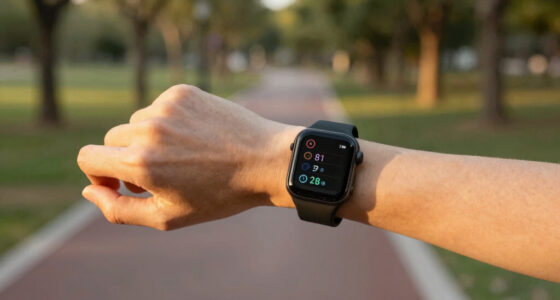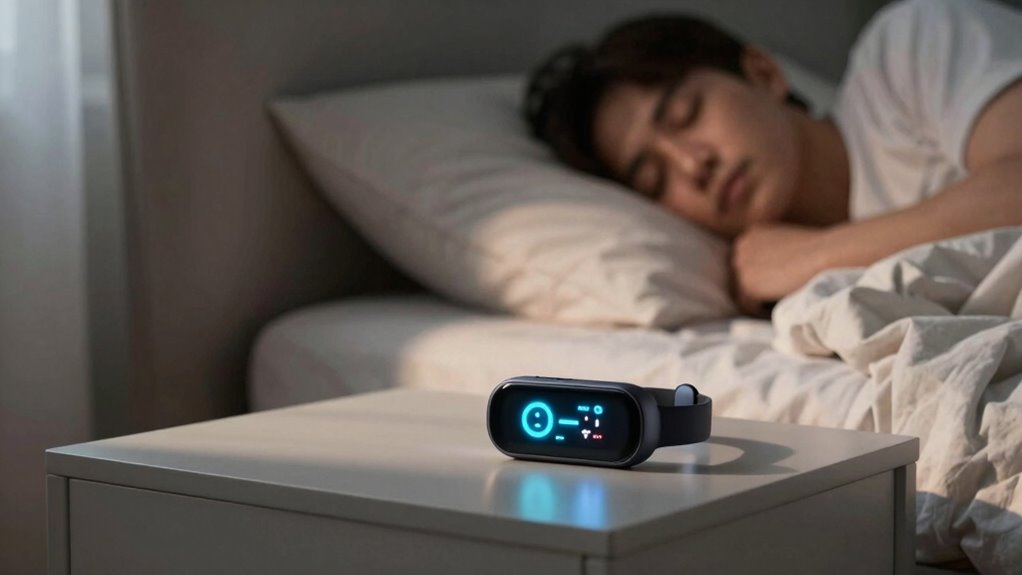

Sleep tracking feels useful for some people because it provides detailed insights into sleep patterns and helps identify habits that improve rest. It acts like a personal sleep analyst and can motivate healthier choices. However, others find it misleading because it may cause anxiety over minor fluctuations or disruptions, making them worry about their sleep quality unnecessarily. External factors and complex sleep biology make data interpretation tricky. If you want to understand how to get the most from these devices, keep exploring.
Listen free for 30 days with Audible
Thousands of audiobooks and originals — cancel anytime.
As an affiliate, we earn on qualifying purchases.
Key Takeaways
- Sleep tracking provides personalized data that can motivate healthier habits but may cause anxiety if interpreted obsessively.
- External factors and subconscious influences make sleep data complex, leading to potential misinterpretation and feelings of misleading results.
- For some, data enhances awareness and improves sleep hygiene; for others, it fosters frustration and overanalysis.
- A balanced approach that combines sleep data with natural intuition helps prevent stress and promotes restful sleep.
- The usefulness of sleep tracking depends on mindful use, realistic expectations, and understanding its limitations.

Have you ever wondered if sleep tracking devices truly help improve your rest, or if they just create unnecessary anxiety? For some, these gadgets feel like invaluable tools. They provide detailed insights into sleep patterns, helping you understand how long you’re sleeping, sleep stages, and even disruptions during the night. It’s like having a personal sleep analyst in your pocket, which can motivate you to make healthier choices. When you notice patterns—say, you sleep better on certain nights or after specific routines—you might feel empowered to tweak your sleep environment or bedtime habits. Some devices even integrate features like dream analysis, offering clues about your subconscious or emotional state based on sleep data. This can be intriguing and motivating, giving you a sense of control over your sleep quality.
However, for others, these devices become sources of stress. If you start obsessing over every minute of light versus deep sleep or dream analysis, it can lead to anxiety rather than relaxation. You might find yourself waking up more often to check your stats, which ironically disrupts your sleep further. For some, the data feels inconclusive or exaggerated, leading to confusion or frustration. They may think, “If I’m not sleeping deeply, what’s wrong with me?” and this kind of thinking can heighten worry. Additionally, the focus on sleep environment—such as room temperature, noise, or lighting—can feel overwhelming if you’re constantly trying to optimize every detail. It’s easy to fall into the trap of believing that your sleep is entirely dependent on external factors and data, when in reality, sleep is complex and influenced by many subconscious factors. Recognizing that sleep is a complex process influenced by various factors can help set realistic expectations and reduce unnecessary stress. Understanding that sleep is a biological and psychological process can empower you to adopt a more balanced approach to tracking. Also, being aware of the behavioral aspects that influence sleep, such as bedtime routines and stress management, can provide a more comprehensive perspective.
Research also suggests that sleep quality is affected by a multitude of internal and external influences, making it important to approach tracking with a nuanced perspective. A balanced view might involve considering sleep data as part of a broader home comfort strategy, which includes optimizing room temperature, noise levels, and lighting to support restful sleep. Ultimately, whether sleep tracking feels useful or misleading depends on how you interpret the data. When used mindfully, these devices can serve as helpful guides, encouraging better sleep hygiene and awareness of your sleep environment. But if you let the data override your natural intuition or cause fixation on minor fluctuations, they can become counterproductive. The key is balancing the insights gained with a relaxed attitude towards sleep, remembering that not every restless night is a sign of failure. Trust your body’s signals and use the data as a tool—not a verdict. When approached thoughtfully, sleep tracking can be empowering; alternatively, when fixated upon, it can be misleading and stress-inducing.
As an affiliate, we earn on qualifying purchases.
Frequently Asked Questions
How Accurate Are Sleep Tracking Devices Compared to Clinical Sleep Studies?
Sleep tracking devices generally offer moderate sleep data accuracy, but they’re not as precise as clinical sleep studies. You might find that device calibration, sensor quality, and algorithms influence their reliability. While they can provide useful trends, don’t rely solely on these devices for serious sleep issues. For accurate insights, consult a sleep specialist, especially if your sleep data shows persistent problems or inconsistencies.
Can Sleep Trackers Improve Sleep Quality Over Time?
Yes, sleep trackers can improve your sleep quality over time. Studies show that users who monitor their sleep often adopt better sleep hygiene practices, leading to a 20% increase in restful sleep. By providing feedback and boosting user motivation, these devices encourage consistent habits like regular bedtimes and reduced screen time. Over weeks, this proactive approach can help you identify issues and make meaningful adjustments for healthier sleep patterns.
Are Sleep Tracking Apps Suitable for Children or Elderly Users?
Sleep tracking apps aren’t ideal for children or elderly users due to safety and comfort concerns. You should prioritize child safety by avoiding devices that may cause discomfort or interfere with their sleep routines. For the elderly, focus on solutions that enhance comfort without risking safety issues. Always consult healthcare professionals before using sleep trackers for children or seniors, ensuring their well-being and comfort are maintained.
What Are Common Misconceptions About Sleep Data Interpretation?
You might think sleep data tells the whole truth, but it’s often just a snapshot, not the full story. Many believe sleep quality can be perfectly measured, yet data privacy concerns mean your information might be more exposed than you realize. Misconceptions include overinterpreting raw data and assuming it reflects your overall health. Remember, sleep tracking offers insights, but it shouldn’t replace professional advice or your own intuition.
Do Sleep Trackers Effectively Detect Sleep Disorders?
Sleep trackers can sometimes detect sleep disorders if they provide accurate data on sleep quality and patterns, but they aren’t a substitute for medical diagnosis. Their data accuracy varies, and they might miss subtle signs like sleep apnea or restless leg syndrome. You should use sleep trackers as a helpful tool for monitoring trends, but consult a healthcare professional for a thorough evaluation if you suspect a sleep disorder.
sleep tracker with sleep stage analysis
As an affiliate, we earn on qualifying purchases.
As an affiliate, we earn on qualifying purchases.
Conclusion
Just like the tales of Icarus soaring too close to the sun, sleep tracking can elevate your awareness—yet sometimes, it’s a trap. For some, it’s a guiding star, illuminating patterns and inspiring better habits. For others, it’s a mirage, offering false reassurance or unnecessary worry. Remember, while technology can be a helpful compass, trusting your body’s signals remains your true North. Ultimately, listen to yourself—beyond the data—and find what truly helps you rest.
sleep monitor for anxiety relief
As an affiliate, we earn on qualifying purchases.
As an affiliate, we earn on qualifying purchases.
As an affiliate, we earn on qualifying purchases.
NFL season / tailgating Picks
team gear
As an affiliate, we earn on qualifying purchases.