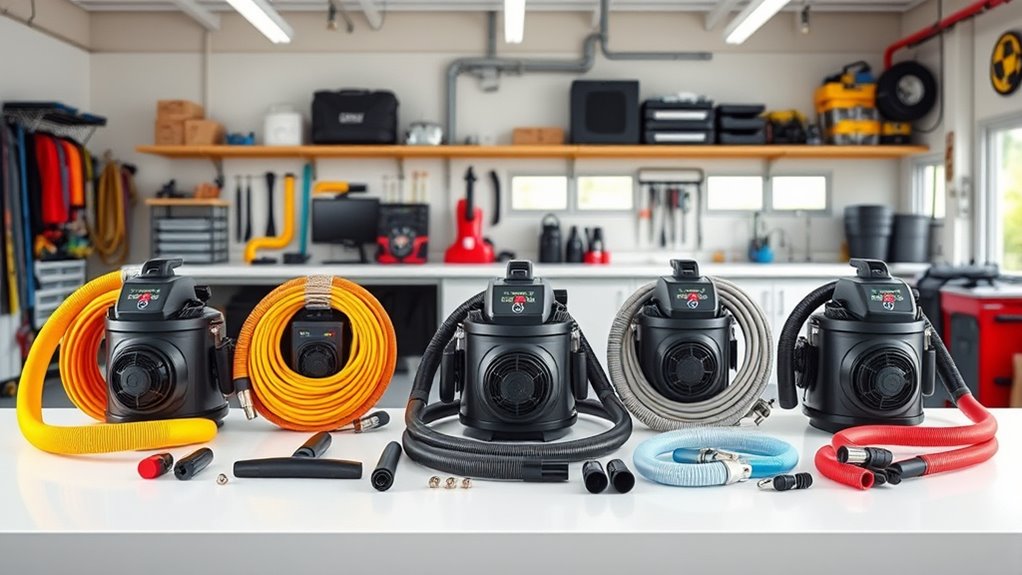

If you’re looking for the best central vacuum kits for DIY installation, I recommend considering options like the Central Vac Electric Installation Kit with 110 ft. of pipe, the Intervac Vacuum Accessories Kit, and the Universal Low Voltage Installation Kit with 80 ft. of pipe. These kits are user-friendly, come with clear instructions, and support easy setup. To find the perfect fit for your home, keep reading as I explore these top picks and what makes them stand out.
Key Takeaways
- Choose kits with comprehensive components, clear instructions, and support for easy DIY installation without professional help.
- Ensure compatibility with your home’s inlet types, piping layout, and electrical wiring for seamless integration.
- Opt for pre-cut piping and straightforward wiring options to reduce setup time and simplify assembly.
- Select kits offering sufficient pipe length and flexible routing to cover your entire home effectively.
- Prioritize durable materials and included accessories for long-lasting performance and comprehensive cleaning capabilities.
Central Vac Electric Installation Kit (4), 110 ft. of Pipe
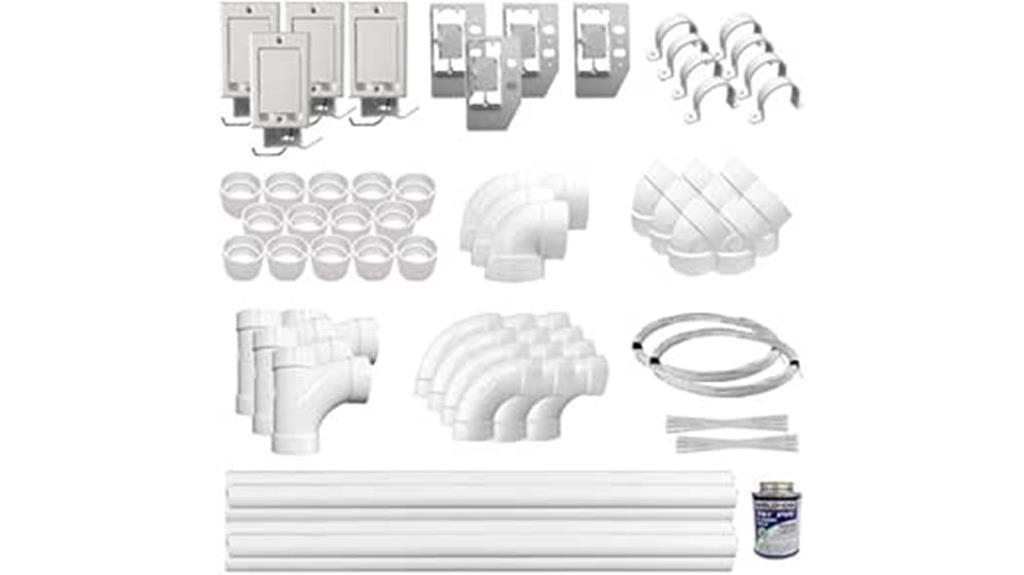
If you’re looking for a reliable and straightforward central vacuum installation kit, the Central Vac Electric Installation Kit (4) with 110 feet of pipe is an excellent choice. It includes all the essential materials—22 five-foot pipe sections, four square door inlets, four Hayden 1760 style electric inlets, and various fittings like sweep elbows, tees, and couplings. The kit also offers 80 feet of wiring plus an extra 30 feet, making electrical connections easier. Designed for easy installation, it provides extensive components and a clear manual. Whether you’re a DIY enthusiast or a homeowner, this kit simplifies setting up a powerful, compatible, and efficient central vacuum system.
Best For: homeowners and DIY enthusiasts seeking a comprehensive, easy-to-install central vacuum system with reliable electric inlet compatibility.
Pros:
- Includes all necessary components for a complete installation, reducing the need for additional purchases.
- Compatible with all direct connect hoses and Hayden 1760 style electric inlets for versatile use.
- Comes with extended wiring (80 ft. + 30 ft.) for flexible electrical connections and system setup.
Cons:
- May be more suitable for larger spaces due to the 110 ft. pipe length, which might be excessive for small homes.
- Assembly and installation might require some basic plumbing and electrical skills despite the manual.
- Limited to specific inlet styles; incompatible with non-Hayden or non-direct connect hose types.
Intervac Vacuum Accessories Kit
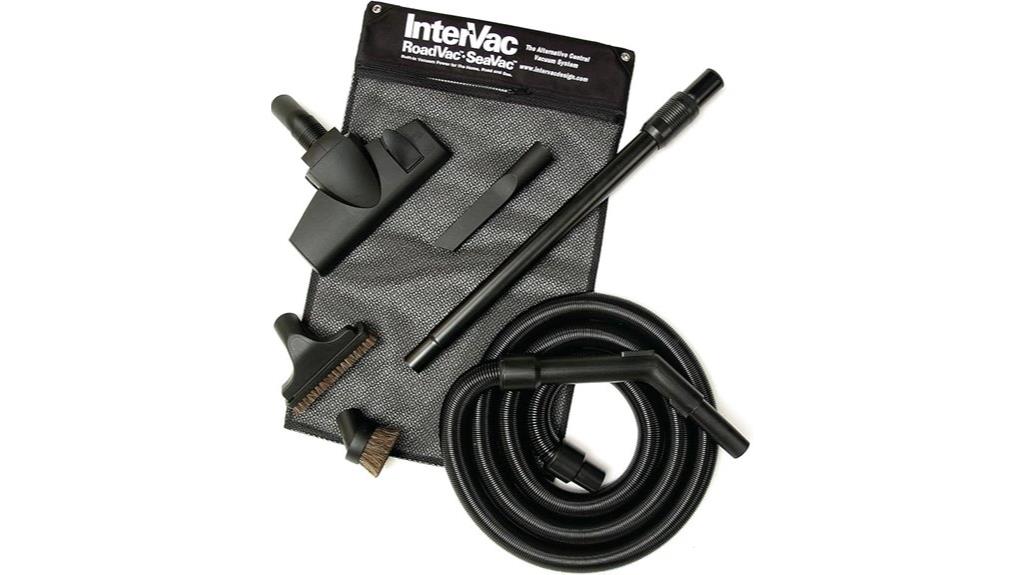
The Intervac Vacuum Accessories Kit stands out for those seeking a complete, versatile solution to maximize their whole-home cleaning. It includes a 7-piece set with essential tools like a stretch hose, metal wands, crevice tool, upholstery brush, and additional attachments, all designed to boost cleaning efficiency across various surfaces and hard-to-reach spots. The flexible 35-foot hose features a banded cuff for easy maneuvering around furniture and ceilings. Compatible with all InterVac systems, it’s suitable for homes, garages, RVs, and boats. Setup is quick—around five minutes—thanks to intuitive click-in connections, and the kit is built for durability and long-lasting performance.
Best For: homeowners, RV owners, and cleaning professionals seeking a versatile, durable central vacuum accessory kit for comprehensive and hard-to-reach cleaning.
Pros:
- Complete 7-piece set with essential tools for multiple surfaces and hard-to-reach areas
- Flexible 35′ stretch hose with banded cuff for easy maneuverability around furniture and ceilings
- Compatible with all InterVac systems, suitable for homes, garages, RVs, and boats
Cons:
- Setup may require some initial familiarization despite quick installation steps
- May be overkill for small spaces or minimal cleaning needs
- The length of the hose might be cumbersome in very compact areas
Universal Low Voltage Installation Kit (3), 80 ft. of Pipe

For homeowners seeking an all-encompassing and flexible installation solution, the Universal Low Voltage Installation Kit (3) with 80 feet of pipe stands out. It provides everything needed for a smooth setup, including inlets, fittings, mounting brackets, glue, low voltage wire, and cable ties. The kit’s Hayden 1500 style inlets work with most hoses, supporting various wiring patterns like loop, star, or homerun. With 80 feet of pipe divided into 5-foot sections, it easily covers mid-sized homes. Although discontinued by the manufacturer, it remains available through retailers and boasts a solid 4.6-star rating, making it a reliable choice for DIYers.
Best For: homeowners seeking a comprehensive, flexible low voltage vacuum installation kit suitable for mid-sized homes and DIY installation projects.
Pros:
- Includes all necessary components such as inlets, fittings, wire, and pipe for a complete setup
- Compatible with most hoses and supports various wiring configurations like loop, star, or homerun
- Easy to install with detailed manual and versatile layout options
Cons:
- Discontinued by the manufacturer, potentially limiting future support or availability of certain parts
- No specific warranty information provided for the product
- Compatibility excludes some high-end hoses like direct connect, Vacuflo low voltage with pins, Budd, and Kenmore
Central Vacuum Inlet Valve, 2 Pack
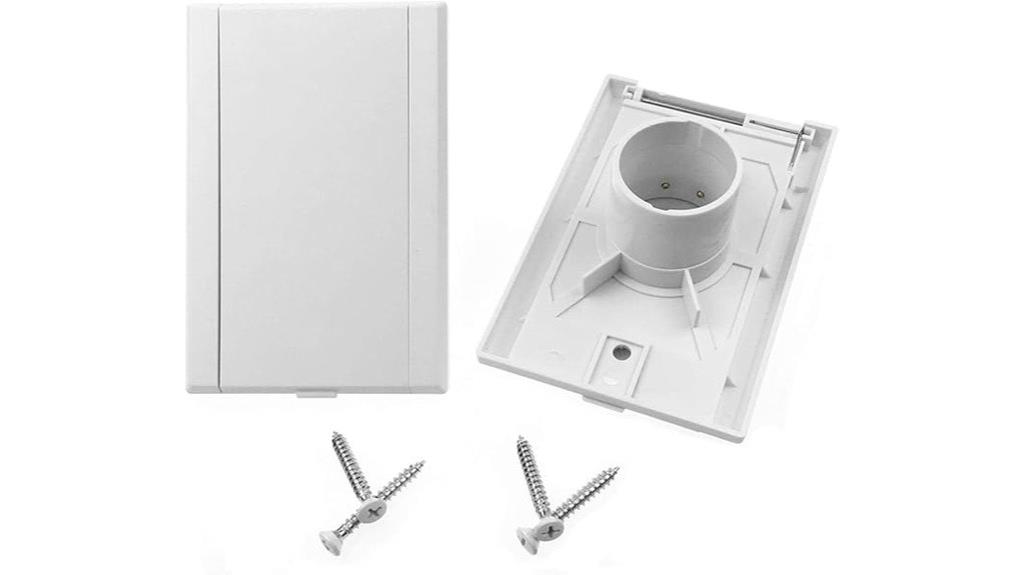
A standout feature of the Central Vacuum Inlet Valve, 2 Pack is its compatibility with Nutone systems, making it an ideal choice for homeowners looking to replace or upgrade their existing inlets. Made of durable plastic, these inlets work with all direct connect hoses, including universal low voltage and straight suction hoses. They’re designed for suction-only applications and not powered. The full door cover conceals screws and hose stops, providing a clean look. Easy to install with the included mounting screws and compatible mounting brackets, these inlets are perfect for upgrading old units or adding new ones to your Nutone system.
Best For: homeowners with Nutone central vacuum systems seeking durable, easy-to-install inlet valves compatible with various hoses.
Pros:
- Compatible with all direct connect hoses, including universal low voltage and straight suction hoses
- Full door cover provides a clean, aesthetic appearance by concealing screws and hose stops
- Easy installation with included mounting screws and compatibility with standard brackets
Cons:
- Not compatible with electrical direct connect hoses or certain brands like Sears/Kenmore or Budd hoses
- Designed solely for suction, non-powered applications, limiting functionality for powered vacuum systems
- Requires separate purchase of mounting brackets or kits for installation
OVO Central Vacuum Carpet Deluxe Kit
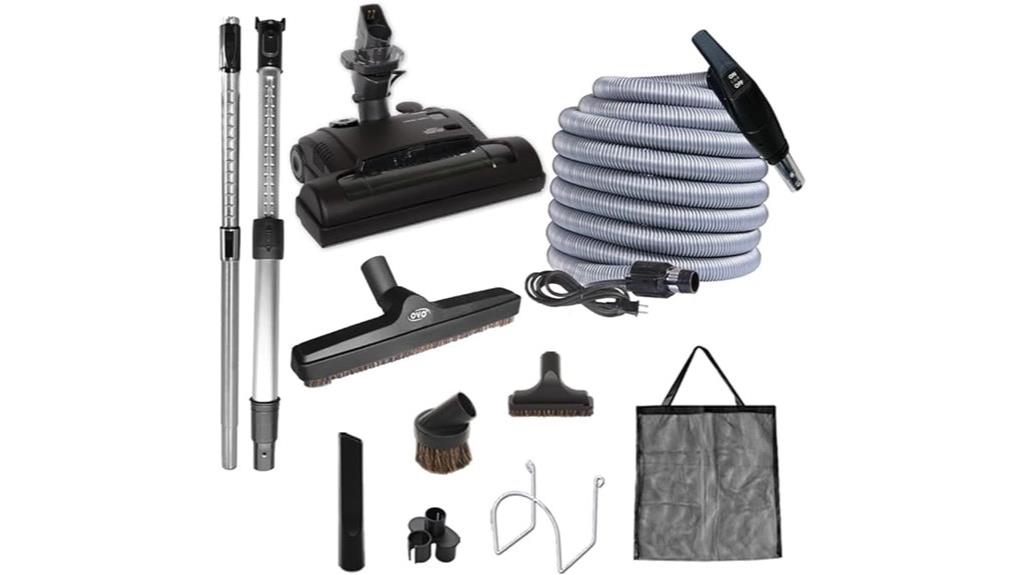
If you’re looking for a versatile vacuum kit that handles both carpets and hard floors with ease, the OVO Central Vacuum Carpet Deluxe Kit is an excellent choice. It features a lightweight, crushproof 35-foot hose with an ON/OFF switch at the handle, making it easy to control. The kit includes a powerful 14-inch electric carpet beater with LED light and a pivoting 12-inch floor brush with soft horsehair bristles, protecting surfaces while cleaning. It supports major brands and fits most inlet sizes. With adjustable wands, a soft dusting brush, and organized storage options, this kit delivers efficient, thorough cleaning for all your surfaces.
Best For: homeowners seeking a versatile, easy-to-use central vacuum system capable of cleaning both carpets and hard floors efficiently with organized storage and adjustable tools.
Pros:
- Compatible with most major vacuum brands and inlet sizes, ensuring versatile use.
- Includes a powerful electric carpet beater with LED light and a soft-bristled floor brush for gentle, effective cleaning.
- Lightweight, crushproof hose with an ON/OFF switch at the handle enhances ease of use and control.
Cons:
- Pigtail power cord may require extra length for larger spaces.
- Additional accessories like super valve converter are sold separately, potentially increasing overall cost.
- Requires proper inlet size compatibility and may need professional installation for optimal performance.
Factors to Consider When Choosing Central Vacuum Kits for DIY Installation

When choosing a central vacuum kit for DIY installation, I consider compatibility with hoses and accessories to make sure everything fits well. I also look at the pipe length and layout to make installation smoother and check if electrical wiring is needed. Finally, I assess included accessories and how easy the setup will be to make sure I get the most value and convenience.
Compatibility With Hoses
Choosing the right central vacuum hoses hinges on ensuring compatibility with your existing or planned inlet valves. I always double-check that the hoses match the type of inlets I have, whether low-voltage or direct connect. It’s essential to confirm that the hoses support specific inlet styles, like Hayden 1760 or Nutone, for a seamless fit. I also verify that the fittings, cuffs, or adapters are correct so they connect securely to the inlet valves and system piping. Compatibility with your system’s power requirements is important too—whether it’s high-voltage or low-voltage. Additionally, I prefer hoses that are flexible, lightweight, and retractable, making it easier to maneuver around furniture and reach tight spaces without hassle. Ensuring compatibility saves time and prevents installation headaches.
Ease of Installation
Selecting a central vacuum kit that’s easy to install makes DIY setup much more manageable. I recommend choosing a kit that includes all necessary components and clear instructions, which simplifies the process considerably. Pre-cut piping, fittings, and wiring are also helpful, as they reduce measurements and adjustments during installation. It’s worth checking if the kit provides extensive support materials like detailed manuals or customer assistance, so you can troubleshoot easily. Additionally, ensure the system is compatible with your existing hoses, inlets, and electrical wiring to avoid extra modifications. Opt for models designed for straightforward, plug-and-play setup, which minimizes the need for specialized tools or professional help. Prioritizing these factors makes DIY installation smoother and more frustration-free.
Pipe Length and Layout
Proper pipe length and layout are vital for ensuring your central vacuum system works efficiently. I recommend matching the total pipe length to your home’s square footage—about 30-50 feet per 700 square feet—to ensure full coverage without loss of suction. Planning your layout to minimize bends and fittings is crucial; too many elbows and tees can hinder airflow and reduce vacuum power. Using sweep elbows and tees creates smooth transitions, helping maintain strong suction and preventing blockages. It’s also important to place inlets thoughtfully, ensuring easy access in all areas while keeping the piping route straightforward. Ultimately, always check the manufacturer’s maximum pipe run length to avoid compromising performance. Proper planning here guarantees a reliable, efficient system that’s easy to maintain.
Electrical Wiring Requirements
When installing a central vacuum system yourself, paying close attention to the electrical wiring requirements is essential for safe and reliable operation. Make sure your kit includes enough low voltage wire—about 80 feet—to connect all inlets properly and ensure system activation. Confirm that the wiring supports your preferred control pattern, whether loop, star, or homerun, which affects system efficiency and troubleshooting ease. Check the compatibility of the wiring with both the inlet and vacuum unit to avoid electrical mismatches. The kit should also include connectors, wire ties, and mounting hardware to keep wiring organized and secure. Most importantly, verify your wiring setup complies with local electrical codes and safety standards to guarantee long-lasting, safe system operation.
Included Accessories
Choosing the right accessories can substantially enhance the versatility and effectiveness of your central vacuum system. I look for kits that include a variety of tools like hoses, wands, crevice tools, upholstery brushes, and floor attachments to handle different cleaning tasks. Adjustable-height electric carpet beaters and pivoting floor brushes are great for tackling multiple surfaces with ease. Storage solutions such as bags and hose hangers help keep everything organized and accessible. I also check for compatibility with different inlet sizes and system brands to ensure seamless use. Additional attachments like dusting brushes and crevice tools are useful for reaching tight spaces and delicate surfaces. Having the right accessories means I can customize my cleaning experience and get better results across my entire home.
Material Durability
Selecting durable materials is essential for guaranteeing your central vacuum system stands up to daily use and environmental challenges. High-quality plastics and corrosion-resistant metals are key to long-lasting performance. The thickness and grade of piping, such as schedule 40 or schedule 80, influence the system’s ability to withstand impacts and environmental factors. Heavy-duty fittings and connectors made from sturdy materials help prevent leaks, cracks, or breakage over time. Reinforced inlets and wall mounts crafted from durable plastics or metals maintain secure connections and resist wear from repeated use. Additionally, properly rated wiring and electrical components made from heat-resistant, corrosion-proof materials contribute to the system’s longevity. Prioritizing material durability ensures your vacuum kit remains reliable and efficient for years to come.
System Power Compatibility
Ensuring your central vacuum kit has the right power compatibility is essential for peak performance and safety. First, check that the motor power matches or exceeds your home’s size and cleaning needs, guaranteeing strong suction across all areas. Verify that the system’s voltage and amperage align with your electrical supply to prevent issues or damage. It’s also important to consider airflow capacity, measured in CFM, to guarantee effective cleaning throughout your home. Additionally, confirm that the system’s power and control features work with your existing outlets and wiring, supporting your preferred control methods, whether low-voltage or direct connect. Proper power compatibility ensures your vacuum operates efficiently and safely, providing reliable performance for years to come.
Budget and Cost
Budget and cost play a significant role in deciding which central vacuum kit is right for your DIY installation. Central vacuum kits vary widely in price, from about $100 for basic models to over $500 for advanced electric systems. Your budget will influence the number of inlets, pipe length, and included accessories, which can impact coverage and performance. Generally, higher-priced systems use better materials—more durable pipes, efficient inlet designs, and stronger motors—resulting in better long-term reliability. Keep in mind, there may be additional costs like wiring, mounting hardware, and tools if they aren’t included. Comparing the total cost, including potential future upgrades or repairs, helps ensure you choose a kit that fits your budget now and down the line.
Frequently Asked Questions
How Do I Determine the Right Kit for My Home’s Size?
To determine the right kit for my home’s size, I start by measuring the total square footage. For smaller homes under 2,000 square feet, a compact kit with a smaller motor works well. Larger homes over 2,500 square feet need a more powerful system with longer hoses and multiple inlets. I also consider the number of rooms and layout complexity to choose a kit that provides thorough coverage without overkill.
Can I Upgrade My Existing Vacuum System Easily?
Absolutely, upgrading your existing vacuum system can be straightforward. Imagine replacing just the motor or adding new piping—it’s like giving your current setup a boost without starting over. I’ve done it myself, and most kits are designed for easy integration. Just check compatibility with your current system, follow the instructions, and you’ll enjoy improved power and convenience in no time. It’s a smart, cost-effective upgrade!
Are There Specific Tools Needed for Installation?
Yes, there are specific tools you’ll need for installation. I recommend having a drill, screwdrivers, a stud finder, a measuring tape, and possibly a saw for cutting pipes. These tools help guarantee a smooth and precise setup. I always double-check the kit instructions to see if any additional tools are recommended. Having the right equipment makes the installation process easier and ensures everything fits securely.
What Maintenance Is Required After Installation?
After installation, I regularly empty the dirt canister or bag to keep suction strong. I check the filters monthly and wash or replace them as needed to maintain ideal airflow. I also inspect the hoses and connections for blockages or damage and wipe down the unit to prevent dust buildup. Scheduling these simple maintenance tasks ensures my central vacuum works efficiently and lasts longer.
How Long Does a Typical DIY Central Vacuum Installation Take?
A typical DIY central vacuum installation takes about 4 to 8 hours, depending on your home’s size and complexity. I recommend setting aside a full day if you’re new to it, to make certain you have enough time for planning, drilling, wiring, and testing the system. Rushing can lead to mistakes, so take your time and follow the guide step-by-step. With patience, you’ll have your vacuum system up and running smoothly in no time.
Conclusion
Choosing the right central vacuum kit is like finding the perfect puzzle piece—it makes everything fit seamlessly. With the right tools and guidance, DIY installation becomes a breeze instead of a storm. Remember to factor in your space, needs, and budget. Whether you’re tackling small apartments or larger homes, these kits are your trusty companions on the journey to cleaner living. So go ahead, take the plunge—cleaning happiness is just a kit away!