
Complete the kit




Get the latest gadgets delivered free with Prime
- Fast, free delivery on millions of items
- Prime Video, Amazon Music and more included
- Member-only deals all year
Key Takeaways
- The M5 chip generation marks a distinct performance leap, making older M1 models less viable for heavy creative workloads despite lower prices.
- 16GB of unified memory is now the practical minimum for multitasking; 8GB models like the MacBook Neo are strictly for basic web browsing and email.
- Pro models with Nano-Texture displays significantly reduce glare for outdoor work but require specific cleaning routines to avoid damaging the coating.
- The 14-inch form factor has replaced the 13-inch Pro as the sweet spot for professionals who need portability without sacrificing connectivity options.
- Renewed units offer substantial savings but often lack the Wi-Fi 7 capabilities found in 2026 and 2027 models, affecting future-proofing.
| Apple MacBook Pro 2023 16.2″ M2 Max |  | Best for High-End Creative Pros | Processor: Apple M2 Max (12-core CPU, up to 38-core GPU) | Memory: 32 GB Unified Memory | Storage: 1 TB SSD | VIEW LATEST PRICE | See Our Full Breakdown |
| Apple MacBook Pro 16-inch (M1 Pro) | 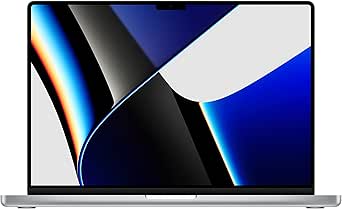 | Best Value for Professional Work | Processor: Apple M1 Pro (10-core CPU, 16-core GPU) | Memory: 16 GB Unified Memory | Storage: 1 TB SSD | VIEW LATEST PRICE | See Our Full Breakdown |
| Apple MacBook Pro 14.2-inch M5 Max |  | Best Premium Powerhouse | Processor: Apple M5 Max (18-core CPU, 20-core GPU) | Memory: 48 GB Unified Memory | Storage: 2 TB SSD | VIEW LATEST PRICE | See Our Full Breakdown |
| Apple MacBook Air 13.6-inch (M5) |  | Best for Students and General Use | Processor: Apple M5 chip | Memory: 16 GB Unified Memory | Storage: 512 GB SSD | VIEW LATEST PRICE | See Our Full Breakdown |
| MacBook Air 15-inch (M5) |  | Best Large Screen for Portability | Processor: Apple M5 chip | Memory: 16 GB Unified Memory | Storage: 512 GB SSD | VIEW LATEST PRICE | See Our Full Breakdown |
| Apple 2023 MacBook Pro with M3 Chip, 14-inch, 16 GB RAM, 512 GB SSD, Space Gray (Renewed) |  | Best Renewed 14-inch Pro | Processor: Apple M3, 8-core CPU and 10-core GPU | Memory: 16 GB LPDDR5 | Storage: 512 GB SSD | VIEW LATEST PRICE | See Our Full Breakdown |
| Apple MacBook Pro MPHF3LL/A 14.2-Inch Laptop, M2 Pro 12-Core, 16 GB Unified Memory, 1 TB SSD, Space Gray |  | Best for Demanding Creative Work | Model year: 2023 | Processor: Apple M2 Pro, 12-core CPU | Graphics: 19-core GPU | VIEW LATEST PRICE | See Our Full Breakdown |
| Apple MacBook Neo 13-inch Laptop with A18 Pro Chip, 8 GB Memory, 512 GB SSD, and Touch ID – Blush |  | Best for Beginners and Everyday Carry | Processor: Apple A18 Pro | Memory: 8 GB unified memory | Storage: 512 GB SSD | VIEW LATEST PRICE | See Our Full Breakdown |
| Apple MacBook Pro with M5 Pro, 18-Core CPU, 20-Core GPU, 16.2-Inch Nano-Texture Display, 48 GB Memory, 1 TB SSD – Space Black |  | Best for High-End Professional Work | Processor: Apple M5 Pro, 18-core CPU | Graphics: 20-core GPU | Memory: 48 GB | VIEW LATEST PRICE | See Our Full Breakdown |
| Apple MacBook Air 15-inch with M5 Chip, 24 GB RAM, 512 GB SSD – Midnight |  | Best Large-Screen MacBook Air | Processor: Apple M5 chip | Memory: 24 GB RAM | Storage: 512 GB SSD | VIEW LATEST PRICE | See Our Full Breakdown |
| MacBook Pro 14.2-inch (2023) with M2 Pro |  | Best Value for Creative Professionals | Processor: Apple M2 Pro (10-core CPU, 16-core GPU) | Memory: 16 GB Unified Memory | Storage: 512 GB SSD | VIEW LATEST PRICE | See Our Full Breakdown |
| MacBook Pro 16-inch (2026) with M5 Pro |  | Best Premium Powerhouse | Processor: Apple M5 Pro (18-core CPU, 20-core GPU) | Memory: 24 GB Unified Memory | Storage: 1 TB SSD | VIEW LATEST PRICE | See Our Full Breakdown |
| MacBook Pro 14‑inch Laptop with M5 chip |  | Best Balanced Modern Choice | Processor: Apple M5 | Memory: 16 GB Unified Memory | Storage: 1 TB SSD | VIEW LATEST PRICE | See Our Full Breakdown |
| Apple 2021 MacBook Pro 16-inch with M1 Max (Renewed) |  | Best High-Performance Bargain | Processor: Apple M1 Max | Memory: 32 GB RAM | Storage: 1 TB SSD | VIEW LATEST PRICE | See Our Full Breakdown |
| Apple MacBook Pro 2021 14-inch with M1 Max (64GB/2TB) |  | Best for Heavy Multitasking on a Budget | Processor: Apple M1 Max (10-core CPU, 24-core GPU) | Memory: 64 GB DDR4 SDRAM | Storage: 2 TB SSD | VIEW LATEST PRICE | See Our Full Breakdown |
| MacBook laptop | Processor | Memory | Storage | Display |
|---|---|---|---|---|
| Apple MacBook Pro 2023 16.2" M | Apple M2 Max (12-core CPU, up to 38-core GPU) | 32 GB Unified Memory | 1 TB SSD | 16.2-inch LED (3456 x 2234) |
| Apple MacBook Pro 16-inch | Apple M1 Pro (10-core CPU, 16-core GPU) | 16 GB Unified Memory | 1 TB SSD | 16-inch Liquid Retina XDR |
| Apple MacBook Pro 14.2-inch M5 | Apple M5 Max (18-core CPU, 20-core GPU) | 48 GB Unified Memory | 2 TB SSD | 14.2-inch Liquid Retina XDR |
| Apple MacBook Air 13.6-inch | Apple M5 chip | 16 GB Unified Memory | 512 GB SSD | 13.6-inch Liquid Retina |
| MacBook Air 15-inch | Apple M5 chip | 16 GB Unified Memory | 512 GB SSD | 15.3-inch Liquid Retina |
| Apple 2023 MacBook Pro with M3 | Apple M3, 8-core CPU and 10-core GPU | 16 GB LPDDR5 | 512 GB SSD | 14.2-inch Liquid Retina XDR, 3024 × 1964 |
| Apple MacBook Pro MPHF3LL/A 14 | Apple M2 Pro, 12-core CPU | 16 GB unified memory | 1 TB SSD | 14.2-inch Liquid Retina XDR |
| Apple MacBook Neo 13-inch Lapt | Apple A18 Pro | 8 GB unified memory | 512 GB SSD | 13-inch Liquid Retina, supports 1 billion colors |
| Apple MacBook Pro with M5 Pro | Apple M5 Pro, 18-core CPU | 48 GB | 1 TB | 16.2-inch Liquid Retina XDR with Nano-Texture |
| Apple MacBook Air 15-inch with | Apple M5 chip | 24 GB RAM | 512 GB SSD | 15.2-inch Liquid Retina LED |
| MacBook Pro 14.2-inch | Apple M2 Pro (10-core CPU, 16-core GPU) | 16 GB Unified Memory | 512 GB SSD | 14.2-inch Liquid Retina XDR |
| MacBook Pro 16-inch | Apple M5 Pro (18-core CPU, 20-core GPU) | 24 GB Unified Memory | 1 TB SSD | 16.2-inch Liquid Retina XDR (1600 nits peak) |
| MacBook Pro 14‑inch Laptop wit | Apple M5 | 16 GB Unified Memory | 1 TB SSD | 14.2-inch Liquid Retina XDR |
| Apple 2021 MacBook Pro 16-inch | Apple M1 Max | 32 GB RAM | 1 TB SSD | 16-inch Liquid Retina XDR |
| Apple MacBook Pro 2021 14-inch | Apple M1 Max (10-core CPU, 24-core GPU) | 64 GB DDR4 SDRAM | 2 TB SSD | 14-inch Retina (2560 x 1600) |
More Details on Our Top Picks
Apple MacBook Pro 2023 16.2″ M2 Max
This model stands out for its raw processing power, driven by the M2 Max chip and 32GB of unified memory. It is better suited to video editors and 3D artists than the newer M5 Max models if you prioritize value over the absolute latest silicon generation. Compared to the MacBook Pro M1 Pro, this machine offers significantly more GPU cores and memory bandwidth, making it far more capable for heavy multitasking. However, the 2.16 kg weight makes it a poor choice for frequent travelers. While the port selection is excellent, including HDMI and SDXC, the lack of Thunderbolt 5 connectivity means it trails behind the M5-based options in future-proofing. It remains a powerhouse for professional workflows that demand sustained performance rather than portability.Pros:- Exceptional multi-core performance for rendering and compiling
- Comprehensive port array including HDMI and SDXC
- Bright, color-accurate 16.2-inch Liquid Retina XDR display
- Strong battery life despite high performance
Cons:- Heavy chassis limits portability
- Lacks Thunderbolt 5 connectivity found in newer models
- Renewed status may imply variable battery health
Best for: Video editors and 3D artists who need high GPU performance and ample RAM without paying for the newest generation.
Not ideal for: Digital nomads or students who prioritize lightweight portability over desktop-replacement power.
- Processor:Apple M2 Max (12-core CPU, up to 38-core GPU)
- Memory:32 GB Unified Memory
- Storage:1 TB SSD
- Display:16.2-inch LED (3456 x 2234)
- Ports:3x Thunderbolt 4, HDMI, SDXC, MagSafe 3, Headphone Jack
- Weight:2.16 kg (4.76 lbs)
- Battery:Up to 22 hours video playback
Our verdict“Choose this if you need serious creative power on a budget and don’t mind the extra weight.”
Apple MacBook Pro 16-inch (M1 Pro)
This option makes the most sense for professionals who need reliability without the premium price tag of current-generation chips. While it lacks the raw speed of the M2 Max MacBook Pro, the M1 Pro chip still handles coding, photo editing, and office tasks with ease. The Liquid Retina XDR display is identical in quality to newer models, offering exceptional contrast and brightness. Compared to the MacBook Air M5, this laptop provides active cooling and a richer audio experience, which matters for long editing sessions. However, being an older model means it lacks Wi-Fi 7 and the latest camera improvements. It is a sturdy, capable machine that bridges the gap between entry-level Macs and high-end workstations.Pros:- Excellent balance of performance and battery life
- Superior display quality compared to Air models
- Robust build with effective thermal management
- Significant price discount compared to current models
Cons:- Heavier and thicker than modern Air models
- Older Wi-Fi and Bluetooth standards
- Lower base memory configuration than newer Pro models
Best for: Developers and photographers who want a large, high-quality screen and active cooling at a lower cost.
Not ideal for: Users who require the absolute fastest render times or the latest connectivity standards like Wi-Fi 7.
- Processor:Apple M1 Pro (10-core CPU, 16-core GPU)
- Memory:16 GB Unified Memory
- Storage:1 TB SSD
- Display:16-inch Liquid Retina XDR
- Battery:Up to 21 hours
- Weight:4.62 lbs
- Camera:1080p FaceTime HD
Our verdict“A smart buy for professionals who prioritize display quality and build over cutting-edge speed.”
Apple MacBook Pro 14.2-inch M5 Max
This machine is the definitive choice for those who want no compromises. The M5 Max chip with 48GB of memory and Thunderbolt 5 support places it in a different league than the M2 Max MacBook Pro. It is specifically designed for on-device AI tasks and massive datasets that choke smaller machines. While the MacBook Air M5 is lighter, this Pro model offers the sustained performance needed for professional-grade workloads. The 14-inch form factor makes it slightly more portable than its 16-inch siblings, though it remains heavy. The inclusion of Wi-Fi 7 and future-proof connectivity ensures this laptop remains relevant for years. It is an investment for users whose time is valuable enough to justify the highest tier of mobile computing.Pros:- Top-tier M5 Max performance with 48GB RAM
- Future-proof Thunderbolt 5 and Wi-Fi 7 connectivity
- Compact 14-inch form factor with high-end specs
- Advanced 12MP Center Stage camera
Cons:- Premium price point
- Overkill for standard productivity tasks
- Still heavier than Air models
Best for: AI researchers, senior developers, and high-end video producers who need maximum performance in a portable chassis.
Not ideal for: General users or students who will not utilize the extra GPU cores or 48GB of memory.
- Processor:Apple M5 Max (18-core CPU, 20-core GPU)
- Memory:48 GB Unified Memory
- Storage:2 TB SSD
- Display:14.2-inch Liquid Retina XDR
- Connectivity:Wi-Fi 7, Bluetooth 6, Thunderbolt 5
- Camera:12MP Center Stage
- Ports:3x Thunderbolt 5, HDMI, SDXC, MagSafe 3
Our verdict“The ultimate laptop for professionals who demand the best technology Apple currently offers.”
Apple MacBook Air 13.6-inch (M5)
This model stands out for its perfect balance of portability and performance. The M5 chip provides plenty of power for everyday tasks, making it a better value for most people than the heavier MacBook Pro M1 Pro. At just 2.71 pounds, it is significantly easier to carry than the 14-inch Pro models. The Liquid Retina display is sharp and vibrant, though it lacks the high dynamic range of the Pro’s XDR screen. Compared to the 15-inch Air, this 13-inch version is more compact and fits easily into smaller bags. However, the limited port selection means you will likely need a dongle for external drives or monitors. It is the ideal everyday machine for users who prioritize mobility and battery life over heavy-duty creative workflows.Pros:- Extremely lightweight and thin design
- Excellent battery life with no fan noise
- Capable M5 performance for multitasking
- Vibrant 13.6-inch Liquid Retina display
Cons:- Only two Thunderbolt 4 ports
- No high-refresh-rate or XDR display
- Base storage may fill up quickly for media users
Best for: Students, writers, and office workers who need a lightweight, long-lasting laptop for daily tasks.
Not ideal for: Video editors or engineers who need active cooling and multiple high-bandwidth ports.
- Processor:Apple M5 chip
- Memory:16 GB Unified Memory
- Storage:512 GB SSD
- Display:13.6-inch Liquid Retina
- Weight:2.71 lbs
- Battery:Up to 18 hours
- Ports:2x Thunderbolt 4, MagSafe 3, Headphone Jack
Our verdict“The best choice for the majority of users who want a premium experience without the bulk.”
MacBook Air 15-inch (M5)
This option is better suited to users who want a larger canvas without the weight of a Pro model. Compared to the 13-inch MacBook Air, the 15-inch screen offers significantly more workspace for multitasking and spreadsheets, yet remains remarkably thin. The M5 chip handles this larger display efficiently, though it lacks the active cooling found in the M5 Max MacBook Pro. For media consumption, the six-speaker sound system provides a richer experience than the 13-inch model. However, the 3.32-pound weight is still heavier than the smaller Air, which may matter for those with smaller bags. It is a great compromise for creative hobbyists who find the 13-inch screen too cramped but do not need the raw power of a Pro.Pros:- Spacious 15.3-inch Liquid Retina display
- Superior audio system with Spatial Audio
- Lighter than comparable Pro models
- Strong M5 performance for everyday tasks
Cons:- Heavier than the 13-inch Air model
- Limited port selection (no HDMI or SDXC)
- No active cooling for sustained heavy loads
Best for: Multitaskers and media consumers who want a big screen but prefer a fanless, silent design.
Not ideal for: Power users who need sustained high-performance rendering or extensive connectivity options.
- Processor:Apple M5 chip
- Memory:16 GB Unified Memory
- Storage:512 GB SSD
- Display:15.3-inch Liquid Retina
- Weight:3.32 lbs
- Audio:Six-speaker system with Dolby Atmos
- Battery:Up to 18 hours
Our verdict“Ideal for those who prioritize screen real estate and audio quality in a portable form factor.”
Apple 2023 MacBook Pro with M3 Chip, 14-inch, 16 GB RAM, 512 GB SSD, Space Gray (Renewed)
This renewed 14-inch MacBook Pro makes the most sense for buyers who want a sharper, more capable screen and useful ports without stepping up to a Pro-tier chip. Its M3 processor handles everyday work and moderate creative tasks, while the Liquid Retina XDR display offers more contrast and detail than the MacBook Neo’s 13-inch Liquid Retina screen. HDMI, an SDXC slot, and MagSafe also reduce the need for adapters. The tradeoff is its 16 GB memory ceiling: the M2 Pro MacBook Pro in this lineup is better suited to sustained, demanding workloads, and its 1 TB drive holds more projects. As a renewed machine, condition may vary, though the listed one-year guarantee adds a measure of reassurance. Choose this model for the Pro display and connections, not maximum performance or storage.
Pros:- 14-inch Liquid Retina XDR display provides high resolution and strong contrast.
- M3 chip balances responsive everyday performance with power efficiency.
- HDMI, SDXC, Thunderbolt 3, and MagSafe reduce reliance on adapters.
- One-year renewed guarantee offers recourse if the refurbished unit has a problem.
Cons:- 16 GB of RAM can constrain demanding multitasking and larger creative workflows.
- 512 GB SSD gives less room for local media and project files than the M2 Pro option’s 1 TB drive.
- Renewed condition may show more variation than a new MacBook.
Best for: Buyers who want a compact MacBook Pro display and built-in HDMI and SDXC connections for photo work, presentations, or general creative tasks.
Not ideal for: People handling large, memory-heavy projects or keeping extensive files locally; the 16 GB RAM and 512 GB SSD are limiting beside the M2 Pro model’s 1 TB storage.
- Processor:Apple M3, 8-core CPU and 10-core GPU
- Memory:16 GB LPDDR5
- Storage:512 GB SSD
- Display:14.2-inch Liquid Retina XDR, 3024 × 1964
- Ports:2 USB-C (Thunderbolt 3), HDMI, SDXC, MagSafe 3
- Wireless:Wi-Fi 6E, Bluetooth 5.3
- Weight:1.55 kg
- Warranty:1 year
Our verdict“Choose this renewed M3 Pro if you want an XDR display and versatile ports in a 14-inch laptop, but skip it for heavy workloads that need more memory.”
Apple MacBook Pro MPHF3LL/A 14.2-Inch Laptop, M2 Pro 12-Core, 16 GB Unified Memory, 1 TB SSD, Space Gray
The M2 Pro version is the performance-led choice among these 14-inch options. Its 12-core CPU and 19-core GPU give demanding creative apps more processing and graphics capacity than the M3 MacBook Pro here, while the 1 TB SSD leaves more room for working files than that renewed model’s 512 GB drive. The shared 14.2-inch Liquid Retina XDR format keeps the screen and portable footprint familiar. That extra capacity comes with a catch: the listing says it weighs 5.8 pounds, making it a less appealing daily carry than the MacBook Neo or MacBook Air 15-inch. It also has 16 GB memory, so professionals working with unusually large projects may want a higher-memory configuration. This is the pick for more sustained creative work, not the lightest commute.
Pros:- 12-core M2 Pro CPU and 19-core GPU suit heavier creative workloads than the standard M3 configuration here.
- 1 TB SSD provides more working space than the renewed M3 model’s 512 GB drive.
- 14.2-inch Liquid Retina XDR display supports detailed, color-focused work.
- Wi-Fi 6E, Bluetooth 5.3, and SDXC card reader support common professional workflows.
Cons:- Listed weight of 5.8 pounds makes it a notably less convenient carry than the MacBook Neo.
- 16 GB unified memory may limit demanding projects with large files or many simultaneous apps.
- The listing does not specify its full port selection.
Best for: Photographers, video editors, and other creative professionals who want a 14-inch XDR screen, stronger graphics, and 1 TB of built-in storage.
Not ideal for: Frequent travelers prioritizing a light bag, or specialists whose large projects need more than 16 GB of memory.
- Model year:2023
- Processor:Apple M2 Pro, 12-core CPU
- Graphics:19-core GPU
- Memory:16 GB unified memory
- Storage:1 TB SSD
- Display:14.2-inch Liquid Retina XDR
- Connectivity:Wi-Fi 6E, Bluetooth 5.3, SDXC card reader
- Weight:5.8 pounds
Our verdict“Pick the M2 Pro for stronger graphics and a larger SSD in a 14-inch MacBook Pro, provided its listed weight and 16 GB memory fit your workload.”
Apple MacBook Neo 13-inch Laptop with A18 Pro Chip, 8 GB Memory, 512 GB SSD, and Touch ID – Blush
The MacBook Neo is the approachable, portability-first choice here. At 2.71 pounds with a 13-inch screen, it is easier to carry than either MacBook Pro and more compact than the 15-inch Air. Its A18 Pro chip, 1080p camera, and claimed up to 16 hours of battery life suit classes, browsing, video calls, and everyday productivity. The 512 GB SSD also matches the renewed M3 Pro’s listed capacity, but the Neo’s 8 GB of memory gives it less room for heavy multitasking. Its Liquid Retina display supports one billion colors, though it is not the larger XDR panel found on the Pro models. Choose it for routine work and a lighter bag; skip it if your day involves demanding creative apps or many memory-hungry tasks.
Pros:- 2.71-pound weight and compact 13-inch form suit daily commuting.
- Claimed battery life of up to 16 hours supports long stretches away from an outlet.
- 1080p FaceTime HD camera is well suited to regular video calls.
- 512 GB SSD provides room for everyday documents and media.
Cons:- 8 GB unified memory is restrictive for demanding apps and heavier multitasking.
- 13-inch Liquid Retina display is smaller and lacks the XDR format of the MacBook Pro models.
- Fewer detailed connectivity specifications are provided than for the Pro options.
Best for: Students and everyday users who mainly browse, write, stream, and join video calls, and who value a light 13-inch MacBook.
Not ideal for: Video editors, developers running memory-intensive tools, or multitaskers who need more than 8 GB of unified memory.
- Processor:Apple A18 Pro
- Memory:8 GB unified memory
- Storage:512 GB SSD
- Display:13-inch Liquid Retina, supports 1 billion colors
- Camera:1080p FaceTime HD
- Battery life:Up to 16 hours
- Weight:2.71 pounds
- Color:Blush
Our verdict“Choose the MacBook Neo for portable everyday computing and video calls, but choose a Pro or higher-memory Air for more demanding work.”
Apple MacBook Pro with M5 Pro, 18-Core CPU, 20-Core GPU, 16.2-Inch Nano-Texture Display, 48 GB Memory, 1 TB SSD – Space Black
This 16.2-inch MacBook Pro is the workstation-style pick for demanding creative and technical work. Its listed 18-core CPU, 20-core GPU, and 48 GB memory give it substantially more headroom than the 16 GB M2 Pro and M3 models, while the Nano-Texture XDR display is aimed at users who want a large viewing area with reduced reflections. Thunderbolt 5, HDMI, SDXC, and MagSafe make it better equipped for a desk full of peripherals than the MacBook Air 15-inch. That capability carries a serious portability cost: the listing gives a weight of 9.9 pounds, far above the Neo or Air. It is also a fixed configuration with limited upgradeability. This model fits professionals who need screen space and memory more than an easy everyday carry.
Pros:- 48 GB memory provides more headroom for large projects than the 16 GB MacBook Pro models.
- 18-core CPU and 20-core GPU are specified for demanding professional work.
- 16.2-inch Nano-Texture Liquid Retina XDR display offers a large, reflection-conscious workspace.
- Thunderbolt 5, HDMI, SDXC, and MagSafe support a broad range of peripherals.
Cons:- Listed weight of 9.9 pounds is exceptionally heavy for a laptop intended for regular travel.
- Limited upgradeability means buyers need to select a suitable configuration up front.
- 1 TB storage may be tight for professionals keeping large media libraries and projects locally.
Best for: Video and graphics professionals, software developers, and power users running large projects who benefit from 48 GB memory and a 16.2-inch display.
Not ideal for: Students, frequent commuters, or casual users who do not need workstation-level memory and will find the listed 9.9-pound weight burdensome.
- Processor:Apple M5 Pro, 18-core CPU
- Graphics:20-core GPU
- Memory:48 GB
- Storage:1 TB
- Display:16.2-inch Liquid Retina XDR with Nano-Texture
- Ports:Thunderbolt 5, MagSafe 3, SDXC, HDMI
- Wireless:Wi-Fi 7
- Weight:9.9 pounds
Our verdict“Choose this MacBook Pro when 48 GB memory, a large Nano-Texture display, and extensive ports matter more than portability.”
Apple MacBook Air 15-inch with M5 Chip, 24 GB RAM, 512 GB SSD – Midnight
The 15-inch MacBook Air is the balanced choice for buyers who want a spacious display without the MacBook Pro’s focus on heavier workloads and extra connections. Its 24 GB memory gives it more multitasking headroom than the MacBook Neo’s 8 GB and the 16 GB Pro configurations listed here, while the M5 chip and claimed up to 18 hours of battery life suit mobile work. The 15.2-inch Liquid Retina screen and four-speaker system make it a stronger fit for split-screen tasks, streaming, and presentations than the Neo’s smaller display. Its limitations are real: only two Thunderbolt 4 ports plus MagSafe and a headphone jack, and support for just two external displays. Choose it over the MacBook Pro when a roomy screen and lower-weight Air design matter more than an XDR panel or Pro ports.
Pros:- 24 GB RAM offers more multitasking headroom than the Neo and the listed 16 GB Pro configurations.
- 15.2-inch Liquid Retina display gives documents and split-screen apps more room.
- Claimed battery life of up to 18 hours supports extended mobile work.
- Four-speaker system with Spatial Audio and Dolby Atmos suits video and music playback.
Cons:- Two Thunderbolt 4 ports limit direct connections compared with the MacBook Pro models.
- Supports only two external displays.
- 512 GB SSD may be limiting for large local media and project libraries.
Best for: Remote workers, students, and frequent travelers who want a large screen, generous memory for an Air, and long battery life for everyday productivity.
Not ideal for: Professional users who need an XDR display, a broad built-in port selection, or support for more than two external displays.
- Processor:Apple M5 chip
- Memory:24 GB RAM
- Storage:512 GB SSD
- Display:15.2-inch Liquid Retina LED
- Battery life:Up to 18 hours
- Ports:Two Thunderbolt 4, MagSafe charging, headphone jack
- Wireless:Wi-Fi 7, Bluetooth 6
- Camera:12 MP Center Stage
Our verdict“Choose the 15-inch Air for a roomy screen, 24 GB memory, and long battery life, but pick a Pro if you need XDR visuals or more ports.”
MacBook Pro 14.2-inch (2023) with M2 Pro
This 2023 model strikes a compelling balance between raw power and portability, making it a smarter choice than the heavier 2021 MacBook Pro 16-inch for users who prioritize travel ease. The M2 Pro chip handles 4K video editing and complex coding environments without the thermal throttling seen in older Intel-era machines. While it lacks the newer Wi-Fi 7 and Thunderbolt 5 connectivity found in the 2026 M5 Pro, the difference is negligible for most current workflows. The Liquid Retina XDR display remains one of the best in the industry, offering accurate color reproduction that rivals more expensive options. However, the 16GB unified memory is a fixed constraint; if your work involves massive datasets or virtualization, this ceiling might feel restrictive sooner than the 24GB offered in newer models.
Pros:- Excellent performance-to-weight ratio thanks to the M2 Pro chip
- Superior display quality with high brightness and HDR support
- Comprehensive port selection including HDMI and SDXC
- Significantly more affordable than the latest M5 Pro models
Cons:- Memory is soldered and limited to 16GB in this configuration
- Lacks the newest connectivity standards like Wi-Fi 7
- Battery life, while good, trails slightly behind newer efficient chips
Best for: Video editors and developers who need high performance in a portable, manageable form factor without paying for the latest generation silicon.
Not ideal for: Users requiring more than 16GB of RAM for heavy virtualization or those who need the latest Thunderbolt 5 peripheral speeds.
- Processor:Apple M2 Pro (10-core CPU, 16-core GPU)
- Memory:16 GB Unified Memory
- Storage:512 GB SSD
- Display:14.2-inch Liquid Retina XDR
- Weight:3.52 pounds
- Ports:3x Thunderbolt 4, HDMI, SDXC, MagSafe 3, Headphone Jack
- Battery Life:Up to 18 hours
- Color:Space Gray
Our verdict“This is the sensible choice for pros who want top-tier screen quality and solid performance without the premium tax of the newest hardware.”
MacBook Pro 16-inch (2026) with M5 Pro
As the newest flagship, this machine sets the bar for raw capability, outperforming the 2023 M2 Pro model in both CPU and GPU throughput. The M5 Pro chip introduces significant AI acceleration, making it ideal for on-device machine learning tasks that would bottleneck older architectures. The 16.2-inch Liquid Retina XDR display is brighter and more vibrant, though the 4.71-pound weight makes it a poor candidate for daily commuting compared to the 14-inch variants. Connectivity is future-proofed with Thunderbolt 5 and Wi-Fi 7, ensuring compatibility with upcoming high-speed peripherals. However, the premium price point and large footprint mean this is a desktop replacement, not a travel laptop. It is overkill for general office work but essential for heavy-duty creative pros who need every ounce of horsepower.
Pros:- Cutting-edge M5 Pro performance with dedicated AI acceleration
- Future-proof connectivity with Thunderbolt 5 and Wi-Fi 7
- Best-in-class display with 1600 nits peak brightness
- Robust cooling system handles sustained heavy loads
Cons:- Heavy and bulky, lacking true portability
- Highest cost in the current lineup
- Overpowered for casual productivity tasks
Best for: Professional video editors, 3D artists, and AI developers who need maximum screen real estate and processing power.
Not ideal for: Students or frequent travelers who find the 4.71-pound weight and large chassis cumbersome for daily transport.
- Processor:Apple M5 Pro (18-core CPU, 20-core GPU)
- Memory:24 GB Unified Memory
- Storage:1 TB SSD
- Display:16.2-inch Liquid Retina XDR (1600 nits peak)
- Weight:4.71 pounds
- Connectivity:Wi-Fi 7, Bluetooth 6
- Ports:3x Thunderbolt 5, MagSafe 3, SDXC, HDMI, Headphone Jack
- Camera:12 MP Center Stage
Our verdict“Buy this if you need the absolute best performance and display available and rarely move your laptop from a desk.”
MacBook Pro 14‑inch Laptop with M5 chip
This 14-inch model offers the best compromise between the portability of the 2023 M2 Pro and the raw power of the 2026 16-inch M5 Pro. The new M5 chip delivers noticeable gains in single-core performance and efficiency, extending battery life beyond what the previous generation achieved. The Liquid Retina XDR display matches the premium feel of its larger sibling, providing excellent color accuracy for creative work. While it supports only two external displays, this is sufficient for most users who don’t require the multi-monitor setups supported by the Max chips. It is lighter than the 16-inch models and more powerful than the Air line, making it the default recommendation for most professionals who need a reliable, all-around machine.
Pros:- Latest M5 architecture for improved efficiency and AI tasks
- Excellent portability at 3.41 pounds
- High-quality XDR display with high brightness
- Comprehensive port selection for a 14-inch device
Cons:- Limited to two external displays
- 16GB memory base configuration may need upgrading for heavy multitasking
- More expensive than the previous generation M2 Pro
Best for: General professionals and content creators who want the latest chip technology in a highly portable package.
Not ideal for: Users who need to connect more than two external monitors or require the massive GPU power of the ‘Max’ tier chips.
- Processor:Apple M5
- Memory:16 GB Unified Memory
- Storage:1 TB SSD
- Display:14.2-inch Liquid Retina XDR
- Weight:3.41 pounds
- Ports:Thunderbolt 4, MagSafe 3, HDMI, SDXC, Headphone Jack
- Release Date:October 14, 2025
- Color:Space Black
Our verdict“This is the ideal laptop for most users, offering the perfect blend of modern performance, portability, and display quality.”
Apple 2021 MacBook Pro 16-inch with M1 Max (Renewed)
Buying this renewed M1 Max machine is a strategic move for budget-conscious power users who need more than 16GB of RAM. With 32GB of memory and a 1TB SSD, it outperforms the base configurations of newer models in memory capacity, allowing for heavier multitasking than the 2023 M2 Pro. The M1 Max chip still holds up remarkably well for 4K editing and 3D rendering. However, being a renewed product means you are accepting potential wear on the battery and chassis, and you miss out on the efficiency gains and newer ports like Thunderbolt 5 found in the 2026 M5 Pro. The 5.9-pound weight is also a significant burden compared to modern 14-inch options, making it strictly a desktop replacement.
Pros:- 32GB RAM and 1TB SSD offer great value for memory-intensive tasks
- M1 Max chip remains powerful for creative workflows
- Significantly cheaper than buying a new comparable spec
- Includes HDMI and SDXC slots for easy connectivity
Cons:- Renewed status implies used condition and potential battery degradation
- Heavier and thicker than newer 14-inch models
- Lacks the latest efficiency cores and connectivity features
Best for: Budget-minded professionals who need 32GB of RAM and high GPU power but cannot afford a new M2 or M5 Max model.
Not ideal for: Those who prioritize warranty security, battery health, or the latest connectivity standards over raw specs.
- Processor:Apple M1 Max
- Memory:32 GB RAM
- Storage:1 TB SSD
- Display:16-inch Liquid Retina XDR
- Weight:5.9 pounds
- Condition:Renewed
- Year:2021
- Wireless:Wi-Fi 802.11ax, Bluetooth
Our verdict“A powerful, high-spec option for those willing to accept renewed condition risks in exchange for a lower price.”
Apple MacBook Pro 2021 14-inch with M1 Max (64GB/2TB)
This configuration is a niche gem for users who demand massive resources—64GB of RAM and a 2TB SSD—without paying the current premium for similar specs in new hardware. Compared to the 2026 M5 Pro, this machine offers four times the RAM and double the storage, which is critical for running multiple virtual machines or handling enormous project files. The M1 Max chip is still robust, though it lacks the efficiency of newer generations. The main tradeoff is the renewed condition and the 90-day warranty, which is shorter than Apple’s standard coverage. Additionally, the 6.9-pound weight (likely due to packaging or scale variance) makes it less appealing for travel than the standard 14-inch chassis. It is a workstation in disguise, ideal for those whose budget is fixed but whose workload is expanding.
Pros:- Massive 64GB RAM and 2TB SSD capacity
- M1 Max chip provides strong multi-core performance
- Much lower cost than new equivalents with similar specs
- Includes a 90-day limited warranty for peace of mind
Cons:- Renewed status with non-original accessories
- Shorter warranty period compared to new devices
- Older chip architecture with lower battery efficiency
Best for: Developers and data scientists who need huge RAM and storage capacity for virtualization or large datasets on a strict budget.
Not ideal for: Users who need a new device with a full warranty or those who prioritize battery life and travel portability.
- Processor:Apple M1 Max (10-core CPU, 24-core GPU)
- Memory:64 GB DDR4 SDRAM
- Storage:2 TB SSD
- Display:14-inch Retina (2560 x 1600)
- Condition:Renewed
- Warranty:90 days limited
- Color:Silver
- Model Year:2021
Our verdict“The best choice for power users who prioritize memory and storage capacity over having the absolute latest chip generation.”

How We Picked
I evaluated these laptops based on a strict hierarchy of performance per watt, display quality, and connectivity features. The ranking logic prioritizes the M5 chip’s efficiency gains over raw core counts, recognizing that sustained performance under thermal load matters more than peak benchmark scores for most users. I also weighted the importance of port selection heavily, as the return of HDMI and SD card slots in Pro models eliminates the need for dongles, a key factor for professional workflows. Battery life consistency was another critical metric; models that maintained performance while unplugged ranked higher than those that throttled significantly. Finally, I considered long-term supportability, favoring models with at least 16GB of RAM to ensure they remain capable as software requirements grow over the next five years.Factors to Consider When Choosing Best MacBook Laptops
Choosing between these machines requires looking past the marketing names and understanding how the silicon architecture impacts your daily tasks.Chip Architecture and Performance Tiers
Apple’s M-series chips are not created equal, and understanding the tier system is critical for matching power to workload. The base M chips are designed for efficiency and casual tasks, while M Pro, M Max, and M Ultra variants add CPU cores and GPU bandwidth for intensive rendering. Buying an M Max for photo editing is often a waste of money, whereas buying a base M for 4K video editing will lead to frustrating render times. Match the chip to your heaviest task, not your average task, to avoid under-specing your machine. If you run virtual machines or compile large codebases, the higher memory bandwidth of Pro and Max chips provides a tangible speed advantage that raw clock speed cannot compensate for.
The Memory Bottleneck Myth
Unlike Windows laptops where you can often upgrade RAM later, MacBook memory is soldered to the chip and cannot be changed after purchase. This makes the initial decision on unified memory size permanent and high-stakes. While 8GB might suffice for light browsing, it creates severe bottlenecks when using browser tabs alongside heavy applications like Photoshop or Final Cut Pro. I strongly recommend starting at 16GB for any professional use, as macOS uses memory aggressively for caching to speed up application launch times. Running out of memory forces the system to use swap, which is slower than RAM and can degrade the SSD over time, making adequate initial memory the single most important spec for longevity.
Display Technology and Eye Comfort
The difference between Liquid Retina, Liquid Retina XDR, and Nano-Texture is not just about resolution but about how the screen handles light. XDR displays offer true blacks and high dynamic range, which is essential for video color grading and HDR content creation. However, the Nano-Texture option, while excellent for eliminating reflections in bright offices or outdoors, diffuses light slightly, which can make text appear less crisp to some users. Consider your primary working environment when choosing between standard glossy and Nano-Texture finishes. If you work primarily indoors with controlled lighting, the standard XDR screen will provide sharper detail and better contrast for color-critical work.
Portability Versus Connectivity
There is a direct correlation between the physical size of the laptop and the number of ports it retains. The 13-inch and 15-inch Air models rely entirely on USB-C/Thunderbolt, meaning you will likely need a hub for HDMI, USB-A, or SD cards. Pro models integrate these ports directly into the chassis, which is a massive convenience factor for photographers and video editors who move between locations. Weigh the cost of carrying accessories against the weight savings of the thinner Air models. For most professionals, the slight weight increase of a Pro model is justified by the elimination of dongle fatigue and the reliability of integrated connections.
New vs. Renewed Value Propositions
Buying renewed MacBooks can offer significant financial savings, but it comes with risks regarding battery health and missing features. Renewed units from 2021-2023 lack Wi-Fi 7 and may have degraded battery cycles that impact all-day usability. While an M1 Max renewed model offers incredible value for raw power, the lack of newer efficiency cores means shorter battery life compared to 2026 models. Check the battery cycle count if buying renewed, and be aware that older models may not support the latest macOS features indefinitely. For students or budget-conscious users, a newer base model often provides a more reliable five-year lifespan than an older high-end unit.