
The best AI laptop overall in this roundup is the Acer Aspire 14 AI with Core Ultra 7, 32GB of memory, and a 1TB SSD, a strong balance of portable size and capable everyday hardware. For a larger touchscreen workspace, the HP OmniBook 7 17.3-inch pairs Core Ultra 7 with 32GB of memory, while the Acer Nitro V 16S is the gaming-focused choice with dedicated RTX 5060 graphics. The main tradeoffs are portability versus screen space, integrated versus dedicated graphics, and how much memory and storage you need. Copilot+ branding and an AI-capable processor alone do not guarantee that every app or workflow will run better. Read on for the full comparison and guidance on choosing an AI laptop that fits your actual workload.

Get the latest gadgets delivered free with Prime
- Fast, free delivery on millions of items
- Prime Video, Amazon Music and more included
- Member-only deals all year
Complete the kit



Key Takeaways
- The Acer Aspire 14 AI with Core Ultra 7 is the most balanced pick: its 14-inch touchscreen, 32GB of memory, and 1TB SSD suit buyers who want useful everyday capacity without a large chassis.
- The lineup splits sharply by workload: the Acer Nitro V 16S has RTX 5060 graphics for gaming and graphics-heavy tasks, while most other options rely on integrated graphics and prioritize everyday computing.
- Large screens bring real tradeoffs: several HP models offer 17.3-inch displays, but their size is better suited to desk use than frequent commuting.
- Memory and storage change the value equation: the Acer Aspire 14 AI Copilot+ model has 16GB and a 1TB SSD, while its Core Ultra 7 counterpart doubles memory to 32GB; choose based on workload, not the AI label alone.
- Apple and Snapdragon models warrant a software check: the MacBook Air M5 options and HP OmniBook Snapdragon models may fit lightweight, mobile use well, but buyers should confirm compatibility with their essential apps and peripherals.
| Acer Aspire 14 AI Laptop, 14-inch Touchscreen, Intel Core Ultra 7 258V, 32GB RAM, 1TB SSD | 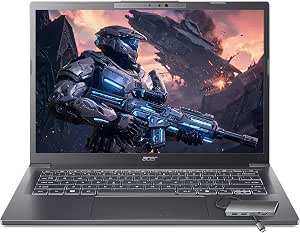 | Best Overall for Windows AI Work | Processor: Intel Core Ultra 7 258V, 8-core, up to 4.8GHz | NPU: Intel AI Boost, 47 TOPS | Graphics: Integrated Intel Arc 140V | VIEW LATEST PRICE | See Our Full Breakdown |
| Acer Nitro V 16S AI Gaming Laptop, Ryzen 7 260, RTX 5060, 16-inch WUXGA 180Hz Display, 32GB DDR5, 1TB SSD |  | Best for AI Gaming and GPU Work | Processor: AMD Ryzen 7 260 | Graphics: NVIDIA GeForce RTX 5060 Laptop GPU | GPU AI performance: 572 AI TOPS | VIEW LATEST PRICE | See Our Full Breakdown |
| HP OmniBook 3 14-inch Next Gen AI PC, 2K OLED Display, Snapdragon X X1-26-100, 16 GB RAM, 256 GB SSD, Windows 11 Home, Nouvelle Silver |  | Best for Battery-Focused Everyday Use | Processor: Snapdragon X X1-26-100, 8 cores, up to 2.97GHz | Graphics: Integrated Qualcomm Adreno GPU | Display: 14-inch OLED, 1920 x 1200, 300 nits | VIEW LATEST PRICE | See Our Full Breakdown |
| HP Pro Business Copilot AI Laptop PC, 17.3″ Touchscreen, Intel Ultra 7 255U, 32GB DDR5, 1TB SSD, Wi-Fi 6, Webcam, Backlit Keyboard, Fingerprint Reader, Bundle with PCO Laptop Cooler |  | Best for Large-Screen Business Work | Processor: Intel Ultra 7 255U, 12 cores, 14 threads, up to 5.2GHz | Memory: 32GB DDR5 | Storage: 1TB SSD | VIEW LATEST PRICE | See Our Full Breakdown |
| Apple MacBook Air 13-inch with M5 chip, 16GB memory, 512GB SSD, and 12MP Center Stage camera | 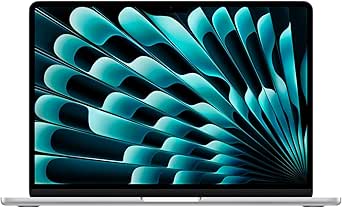 | Best Compact macOS AI Laptop | Chip: Apple M5 | Display: 13.6-inch Liquid Retina | Memory: 16GB unified memory | VIEW LATEST PRICE | See Our Full Breakdown |
| HP 17.3-inch Laptop with Intel Core Ultra 5, 32GB RAM, and 1TB SSD |  | Best for Big-Screen Everyday Work | Processor: Intel Core Ultra 5 225U, 12 cores, 14 threads, up to 4.8 GHz | AI acceleration: Intel AI Boost NPU, 12 TOPS | Memory: 32GB DDR5 RAM | VIEW LATEST PRICE | See Our Full Breakdown |
| HP OmniBook 7 17.3-inch FHD Touchscreen Laptop, Intel Core Ultra 7 258V, 32GB RAM, Up to 2TB SSD, Intel Arc 140V Graphics, Windows 11 Pro |  | Best Large-Screen AI Laptop | Processor: Intel Core Ultra 7 258V | Memory: 32GB LPDDR5 | Storage: 1TB SSD listed; 512GB, 1TB, or 2TB options described | VIEW LATEST PRICE | See Our Full Breakdown |
| HP OmniBook 5 16-inch AI Laptop, Snapdragon X, 16 GB RAM, 512 GB SSD, 2K OLED Display, Windows 11 Home |  | Best for Battery-Focused OLED Viewing | Processor: Snapdragon X X1-26-100, 8 cores, up to 2.97 GHz | Graphics: Integrated Qualcomm Adreno GPU | Memory: 16GB LPDDR5x-8448 | VIEW LATEST PRICE | See Our Full Breakdown |
| Apple MacBook Air 15-inch Laptop with M5 Chip, 16GB Memory, 512GB SSD, Midnight |  | Best for Apple Intelligence and Portable Big-Screen Use | Processor: Apple M5 chip | Memory: 16GB unified memory | Storage: 512GB SSD | VIEW LATEST PRICE | See Our Full Breakdown |
| NIMO 17.3-Inch Laptop with AMD Ryzen AI 9 HX 370, 32GB DDR5 RAM, and 1TB SSD |  | Best for Upgradeable AI Performance | Processor: AMD Ryzen AI 9 HX 370, 12 cores, 24 threads | Graphics: AMD Radeon 890M integrated graphics | Memory: 32GB DDR5, 5600MHz; upgradeable to 64GB | VIEW LATEST PRICE | See Our Full Breakdown |
| HP OmniBook 16 AI Laptop, AMD Ryzen AI 7 445, 32GB RAM, 1TB SSD, 16-inch 2K Touchscreen |  | Best for Large-Screen AI Work | Processor: AMD Ryzen AI 7 445, 6 cores, up to 4.6 GHz | NPU: 50 TOPS | Display: 16-inch IPS touchscreen, 1920 × 1200 | VIEW LATEST PRICE | See Our Full Breakdown |
| NIMO N158 15.6-Inch FHD Laptop, AMD Ryzen 7 8745HS, 32GB DDR5 RAM, 1TB SSD |  | Best for Upgradeable Everyday Performance | Processor: AMD Ryzen 7 8745HS, 8 cores, 16 threads, up to 4.9 GHz | Graphics: Integrated AMD Radeon 780M | Display: 15.6-inch anti-glare Full HD, 1920 × 1080 | VIEW LATEST PRICE | See Our Full Breakdown |
| HP Pavilion 17.3-inch Laptop with Intel Core Ultra 5, 16GB RAM, and 512GB SSD |  | Best for a Big Screen on Basic AI Work | Processor: Intel Core Ultra 5 225U, up to 4.8 GHz | AI acceleration: Intel AI Boost NPU, up to 12 TOPS | Display: 17.3-inch anti-glare HD+, 1600 × 900, 250 nits | VIEW LATEST PRICE | See Our Full Breakdown |
| HP 15.6-Inch Touchscreen Laptop with Intel Core Ultra 7 155H, 16GB DDR5 RAM, and 512GB SSD |  | Best for Intel Processing and Touch | Processor: Intel Core Ultra 7 155H, 16 cores, up to 4.8 GHz | Display: 15.6-inch FHD IPS touchscreen, 1920 × 1080, 60 Hz | Memory: 16GB DDR5 SODIMM, 4800 MHz | VIEW LATEST PRICE | See Our Full Breakdown |
| Acer Aspire 14 AI Copilot+ PC, 14-inch WUXGA Touchscreen, Intel Core Ultra 5 226V, 16GB LPDDR5X, 1TB SSD |  | Best Compact Copilot+ AI Laptop | Processor: Intel Core Ultra 5 226V | NPU: Up to 40 TOPS | Display: 14-inch WUXGA IPS LED touchscreen, 1920 × 1200, 60 Hz | VIEW LATEST PRICE | See Our Full Breakdown |
| AI laptop | Memory | Storage | Display | Processor |
|---|---|---|---|---|
| Acer Aspire 14 AI Laptop | 32GB LPDDR5X | 1TB PCIe NVMe SSD | 14-inch IPS WUXGA touchscreen, 1920 x 1200, 60Hz | Intel Core Ultra 7 258V, 8-core, up to 4.8GHz |
| Acer Nitro V 16S AI Gaming Lap | 32GB DDR5 5600MHz; maximum 32GB | 1TB PCIe Gen 4 SSD | 16-inch WUXGA IPS, 1920 x 1200 | AMD Ryzen 7 260 |
| HP OmniBook 3 14-inch Next Gen | 16GB LPDDR5x-8448 | 256GB PCIe Gen4 NVMe M.2 SSD | 14-inch OLED, 1920 x 1200, 300 nits | Snapdragon X X1-26-100, 8 cores, up to 2.97GHz |
| HP Pro Business Copilot AI Lap | 32GB DDR5 | 1TB SSD | 17.3-inch LCD touchscreen, 1600 x 900 | Intel Ultra 7 255U, 12 cores, 14 threads, up to 5.2GHz |
| Apple MacBook Air 13-inch with | 16GB unified memory | 512GB SSD | 13.6-inch Liquid Retina | — |
| HP 17.3-inch Laptop with Intel | 32GB DDR5 RAM | 1TB PCIe NVMe M.2 SSD | 17.3-inch HD+ (1600 x 900), antiglare, 250 nits | Intel Core Ultra 5 225U, 12 cores, 14 threads, up to 4.8 GHz |
| HP OmniBook 7 17.3-inch FHD To | 32GB LPDDR5 | 1TB SSD listed; 512GB, 1TB, or 2TB options described | 17.3-inch FHD IPS touchscreen, 400 nits | Intel Core Ultra 7 258V |
| HP OmniBook 5 16-inch AI Lapto | 16GB LPDDR5x-8448 | 512GB PCIe Gen4 NVMe M.2 SSD | 16-inch OLED, 1920 x 1200, 300 nits | Snapdragon X X1-26-100, 8 cores, up to 2.97 GHz |
| Apple MacBook Air 15-inch Lapt | 16GB unified memory | 512GB SSD | 15.3-inch Liquid Retina | Apple M5 chip |
| NIMO 17.3-Inch Laptop with AMD | 32GB DDR5, 5600MHz; upgradeable to 64GB | 1TB SSD; two M.2 2280 PCIe 4.0 x4 slots | 17.3-inch, 16:9 | AMD Ryzen AI 9 HX 370, 12 cores, 24 threads |
| HP OmniBook 16 AI Laptop | 32GB DDR5 | 1TB PCIe NVMe SSD | 16-inch IPS touchscreen, 1920 × 1200 | AMD Ryzen AI 7 445, 6 cores, up to 4.6 GHz |
| NIMO N158 15.6-Inch FHD Laptop | 32GB DDR5 5600MHz, expandable to 64GB | 1TB PCIe 4.0 NVMe SSD, expandable to 4TB | 15.6-inch anti-glare Full HD, 1920 × 1080 | AMD Ryzen 7 8745HS, 8 cores, 16 threads, up to 4.9 GHz |
| HP Pavilion 17.3-inch Laptop w | 16GB DDR5 | 512GB PCIe NVMe M.2 SSD | 17.3-inch anti-glare HD+, 1600 × 900, 250 nits | Intel Core Ultra 5 225U, up to 4.8 GHz |
| HP 15.6-Inch Touchscreen Lapto | 16GB DDR5 SODIMM, 4800 MHz | 512GB PCIe M.2 SSD | 15.6-inch FHD IPS touchscreen, 1920 × 1080, 60 Hz | Intel Core Ultra 7 155H, 16 cores, up to 4.8 GHz |
| Acer Aspire 14 AI Copilot+ PC | 16GB LPDDR5X | 1TB Gen 4 SSD | 14-inch WUXGA IPS LED touchscreen, 1920 × 1200, 60 Hz | Intel Core Ultra 5 226V |
More Details on Our Top Picks
Acer Aspire 14 AI Laptop, 14-inch Touchscreen, Intel Core Ultra 7 258V, 32GB RAM, 1TB SSD
I rank the Acer Aspire 14 AI first for buyers who want a balanced Windows laptop with a strong local-AI foundation. Its 47-TOPS NPU, 32GB of memory, and 1TB SSD give it more headroom for multitasking and supported AI features than the HP OmniBook 3, whose 16GB memory and 256GB drive are better suited to lighter workloads. The 14-inch touchscreen and included USB hub also make this a practical choice for mobile work without relying on a long list of dongles.
The tradeoff is a conventional 60Hz, 1920 x 1200 display rather than the OmniBook 3’s OLED, and its 720p webcam is less suited to frequent video calls. I would pick the Acer for capacity and flexible Windows use, not for screen refinement or camera quality.
Pros:- 47-TOPS Intel AI Boost NPU supports compatible on-device AI workloads.
- 32GB LPDDR5X memory and a 1TB SSD provide room for multitasking and files.
- 14-inch touchscreen supports touch and stylus interaction.
- Light 3.09-pound design and included 8-in-1 USB hub suit mobile setups.
Cons:- 720p webcam offers less image detail than the HP OmniBook 3’s 1080p IR camera.
- 60Hz IPS screen lacks the richer contrast of an OLED panel.
- Integrated graphics are less suited to demanding gaming than the Acer Nitro V 16S AI’s RTX 5060.
Best for: Windows users who multitask, want substantial local AI capability, and need a portable touchscreen laptop with generous memory and storage.
Not ideal for: Frequent video-call users or buyers prioritizing a vivid OLED screen and higher-resolution webcam; the 720p camera and standard IPS display are modest.
- Processor:Intel Core Ultra 7 258V, 8-core, up to 4.8GHz
- NPU:Intel AI Boost, 47 TOPS
- Graphics:Integrated Intel Arc 140V
- Memory:32GB LPDDR5X
- Storage:1TB PCIe NVMe SSD
- Display:14-inch IPS WUXGA touchscreen, 1920 x 1200, 60Hz
- Operating system:Windows 11 Home
- Weight:3.09 lbs
Our verdict“Choose the Acer Aspire 14 AI for a portable Windows AI laptop with strong memory, storage, and NPU capacity, but skip it if webcam or display quality leads your priorities.”
Acer Nitro V 16S AI Gaming Laptop, Ryzen 7 260, RTX 5060, 16-inch WUXGA 180Hz Display, 32GB DDR5, 1TB SSD
The Acer Nitro V 16S AI takes a different route from thin productivity laptops: its RTX 5060 Laptop GPU supplies up to 572 AI TOPS, making it the strongest fit here for GPU-heavy creative work, supported generative tools, and gaming. That discrete graphics hardware gives it a clear advantage over the Acer Aspire 14 AI’s integrated Arc graphics when workloads can use an NVIDIA GPU. Its 16-inch screen also pairs 100% sRGB coverage with a 180Hz refresh rate, so motion looks smoother and colors are suited to general content work.
That capability comes with a more gaming-focused package than the MacBook Air 13-inch: it is less compelling for buyers who value a particularly light, quiet, travel-first computer. The 32GB memory is already the stated maximum, leaving no listed headroom for expansion. Choose this when GPU performance matters more than portability or upgrade flexibility.
Pros:- RTX 5060 Laptop GPU provides up to 572 AI TOPS for supported GPU-accelerated workloads.
- 180Hz refresh rate delivers smoother motion in fast-paced games.
- 100% sRGB coverage is useful for color-conscious general creative work.
- 32GB DDR5 memory and a 1TB PCIe Gen 4 SSD support demanding multitasking.
Cons:- 32GB is the stated maximum memory, with no listed upgrade capacity.
- A gaming-oriented discrete GPU is a less natural fit for buyers prioritizing a lightweight travel laptop.
- Compared with the Acer Aspire 14 AI, its 16-inch format is less compact for mobile work.
Best for: AI developers, gamers, and creative users whose compatible workloads benefit from a discrete NVIDIA GPU and a fast, color-capable screen.
Not ideal for: Frequent travelers seeking a lightweight, battery-focused laptop, or buyers who want memory expansion beyond the listed 32GB maximum.
- Processor:AMD Ryzen 7 260
- Graphics:NVIDIA GeForce RTX 5060 Laptop GPU
- GPU AI performance:572 AI TOPS
- Display:16-inch WUXGA IPS, 1920 x 1200
- Refresh rate:180Hz
- Color coverage:100% sRGB
- Memory:32GB DDR5 5600MHz; maximum 32GB
- Storage:1TB PCIe Gen 4 SSD
Our verdict“Pick the Nitro V 16S AI when discrete GPU performance and high-refresh gaming matter more than a slim, travel-friendly design.”
HP OmniBook 3 14-inch Next Gen AI PC, 2K OLED Display, Snapdragon X X1-26-100, 16 GB RAM, 256 GB SSD, Windows 11 Home, Nouvelle Silver
The HP OmniBook 3 is the battery-and-screen pick in this group. Its 14-inch OLED panel and 100% DCI-P3 coverage suit people who watch, read, or edit colorful content, while HP advertises up to 41 hours and 45 minutes of battery life. That runtime claim makes it a different proposition from the Acer Nitro V 16S AI, which centers on discrete GPU performance and a high-refresh screen rather than extended unplugged use. The 1080p IR camera also gives it an advantage over the Acer Aspire 14 AI for video calls and compatible sign-in features.
Its Snapdragon X processor supports Copilot+ PC features, but buyers should check that their essential apps work well on this platform. The 256GB SSD is the clearest limitation, and 16GB of onboard memory cannot be upgraded. I see it as a portable everyday AI PC, not a roomy workstation.
Pros:- 14-inch OLED display with 100% DCI-P3 color coverage offers rich, wide-gamut visuals.
- HP advertises up to 41 hours and 45 minutes of battery life.
- 1080p FHD IR camera includes HDR auto-switch.
- Wi-Fi 6E and a mix of USB-A, USB-C, HDMI 2.1, and audio ports support varied setups.
Cons:- 256GB storage can fill quickly with large projects and media.
- 16GB LPDDR5x memory is onboard, so the listed configuration offers no memory upgrade path.
- Compared with the Acer Aspire 14 AI, it has less memory and storage for heavier multitasking.
Best for: Students and mobile professionals who prioritize a vivid OLED screen, long advertised battery life, and a quality camera for calls.
Not ideal for: Users with large local media libraries, memory-intensive workloads, or essential apps that do not suit the Snapdragon platform.
- Processor:Snapdragon X X1-26-100, 8 cores, up to 2.97GHz
- Graphics:Integrated Qualcomm Adreno GPU
- Display:14-inch OLED, 1920 x 1200, 300 nits
- Memory:16GB LPDDR5x-8448
- Storage:256GB PCIe Gen4 NVMe M.2 SSD
- Battery life:Up to 41 hours and 45 minutes, as advertised by HP
- Camera:1080p FHD IR camera with HDR auto-switch
- Weight:3.1 pounds
Our verdict“Choose the OmniBook 3 for OLED visuals, video calls, and long advertised battery life, provided 256GB storage and Snapdragon app compatibility fit your work.”
HP Pro Business Copilot AI Laptop PC, 17.3″ Touchscreen, Intel Ultra 7 255U, 32GB DDR5, 1TB SSD, Wi-Fi 6, Webcam, Backlit Keyboard, Fingerprint Reader, Bundle with PCO Laptop Cooler
The HP Pro Business Copilot AI Laptop is the large-screen work option here: its 17.3-inch touchscreen gives spreadsheets and side-by-side documents more room than the 14-inch Acer Aspire 14 AI. Windows 11 Pro, a fingerprint reader, 32GB of DDR5 memory, and a 1TB SSD make its configuration well suited to office multitasking and business workflows. It also includes a laptop cooler, a bundle detail aimed at extended desk sessions rather than a minimalist travel setup.
The screen is the major compromise. At 1600 x 900, it has less detail than the Acer Aspire’s 1920 x 1200 panel, despite the HP’s larger size. Its 4.62-pound weight and non-backlit keyboard also make it less appealing for frequent travel or dim workspaces. I would choose it for a spacious Windows Pro workspace, not for display sharpness or mobility.
Pros:- 17.3-inch touchscreen offers ample workspace for documents and side-by-side windows.
- Windows 11 Pro includes business-oriented operating-system features.
- 32GB DDR5 memory and a 1TB SSD provide capacity for office multitasking and files.
- Fingerprint reader supports convenient device sign-in.
Cons:- 1600 x 900 resolution is lower than the Acer Aspire 14 AI’s 1920 x 1200 screen.
- At 4.62 pounds, it is less convenient to carry than the 14-inch options.
- The keyboard is not backlit, which can hinder typing in dim rooms.
Best for: Office-based business users who want a large touchscreen for documents and multitasking, Windows 11 Pro, and a fingerprint reader.
Not ideal for: Traveling professionals, buyers who need a sharp Full HD-or-better display, or anyone who regularly works in low-light conditions and needs a backlit keyboard.
- Processor:Intel Ultra 7 255U, 12 cores, 14 threads, up to 5.2GHz
- Memory:32GB DDR5
- Storage:1TB SSD
- Display:17.3-inch LCD touchscreen, 1600 x 900
- Graphics:Intel Integrated Graphics
- Operating system:Windows 11 Pro
- Ports:USB-C 10Gbps, 2 x USB-A 5Gbps, HDMI 1.4b, headphone/mic combo, AC smart pin
- Weight:4.62 lbs
Our verdict“Choose this HP for a spacious, desk-oriented Windows Pro business laptop, but not if portability or display sharpness is a priority.”
Apple MacBook Air 13-inch with M5 chip, 16GB memory, 512GB SSD, and 12MP Center Stage camera
The 13-inch MacBook Air with M5 is the most compact choice in this set, at 2.71 pounds, and suits buyers who want macOS, a capable Apple silicon system, and a camera built for video calls. Its 12MP Center Stage camera, Wi-Fi 7, and advertised battery life of up to 18 hours make it a more travel-focused alternative to the 4.62-pound HP Pro Business model. The 512GB SSD also gives it twice the listed storage of the HP OmniBook 3, a useful buffer for everyday apps and documents.
Its 16GB unified memory and two Thunderbolt 4 ports may feel restrictive to buyers with heavier workloads or multiple wired accessories. The Acer Nitro V 16S AI is a better fit for AI tasks that can use an NVIDIA GPU; this MacBook Air is aimed instead at portable everyday work within Apple’s ecosystem. I would also check that your must-have software is available for macOS.
Pros:- 2.71-pound design is the lightest among these five options.
- Apple M5 chip and 16GB unified memory support everyday productivity workloads.
- 12MP Center Stage camera is suited to video calls.
- Wi-Fi 7, two Thunderbolt 4 ports, MagSafe charging, and a headphone jack provide modern connectivity.
Cons:- 16GB unified memory is a fixed configuration in the listed product details.
- Two Thunderbolt 4 ports may require adapters for several wired peripherals.
- Compared with the Acer Nitro V 16S AI, it lacks a discrete NVIDIA GPU for compatible GPU-heavy AI work.
Best for: Students and professionals already comfortable with macOS who want a light everyday laptop, a strong video-call camera, and convenient travel connectivity.
Not ideal for: Windows-dependent users, people seeking upgradeable memory, or creators whose AI workflows rely on NVIDIA GPU acceleration.
- Chip:Apple M5
- Display:13.6-inch Liquid Retina
- Memory:16GB unified memory
- Storage:512GB SSD
- Camera:12MP Center Stage
- Wireless:Wi-Fi 7 and Bluetooth 6
- Battery life:Up to 18 hours
- Weight:2.71 pounds
Our verdict“Pick the MacBook Air for compact macOS productivity and video calls, but choose a Windows or discrete-GPU model for specialized software or NVIDIA-accelerated AI tasks.”
HP 17.3-inch Laptop with Intel Core Ultra 5, 32GB RAM, and 1TB SSD
I’d pick this HP for buyers who want a roomy workspace and plentiful memory without needing a high-end AI processor. Its 32GB of RAM and 1TB SSD give it an advantage over the HP Pavilion 17.3-inch model with 16GB of RAM and 512GB storage for keeping many apps and files on hand. The 17.3-inch screen makes documents easier to view side by side, while the Core Ultra 5 includes an NPU for supported AI tasks. The tradeoff is a 1600 x 900, 250-nit display: it’s less sharp and less bright than the OmniBook 7’s Full HD, 400-nit touchscreen. I’d also keep expectations modest for AI processing, since its NPU is rated at 12 TOPS. This is a practical, desk-oriented pick, not a premium display or graphics choice.
Pros:- 32GB DDR5 memory supports heavier multitasking than many everyday laptops.
- 1TB NVMe SSD provides substantial room for work files and applications.
- 17.3-inch antiglare display gives documents and windows more screen space.
- USB-C supports Power Delivery and DisplayPort, and the included hub adds card slots and Ethernet.
Cons:- 1600 x 900 resolution is lower than Full HD and less suited to fine detail.
- 250-nit brightness can be limiting in bright rooms.
- 12-TOPS NPU is a modest AI engine compared with more capable AI-focused chips.
Best for: Home-office users and students who want a large screen, ample memory, and storage for everyday multitasking.
Not ideal for: Buyers who need a sharp, bright display for detailed creative work, or who want stronger on-device AI acceleration.
- Processor:Intel Core Ultra 5 225U, 12 cores, 14 threads, up to 4.8 GHz
- AI acceleration:Intel AI Boost NPU, 12 TOPS
- Memory:32GB DDR5 RAM
- Storage:1TB PCIe NVMe M.2 SSD
- Display:17.3-inch HD+ (1600 x 900), antiglare, 250 nits
- Graphics:Integrated Intel Graphics
- Camera:720p HD camera with privacy shutter and temporal noise reduction
- Ports:2 USB-A, 1 USB-C with Power Delivery and DisplayPort, HDMI 1.4b, audio jack
Our verdict“Choose this HP if a large screen, 32GB of memory, and roomy storage matter more than display sharpness or stronger AI performance.”
HP OmniBook 7 17.3-inch FHD Touchscreen Laptop, Intel Core Ultra 7 258V, 32GB RAM, Up to 2TB SSD, Intel Arc 140V Graphics, Windows 11 Pro
The OmniBook 7 is the strongest fit here for someone who wants a large display without accepting the basic panel on the HP 17.3-inch Core Ultra 5. Its Full HD touchscreen rated at 400 nits offers more detail and brightness, while the Core Ultra 7 258V and 32GB of memory make for a more capable everyday work setup. Windows 11 Pro, Thunderbolt 4, and a 5MP IR webcam also suit office users who connect external displays or value Windows Hello sign-in. Intel Arc graphics are a step up from basic integrated graphics, but they share system memory rather than having dedicated VRAM. I’d also factor in the listing’s resealed condition and inconsistent SSD capacity details; the seller warranty is one year. Compared with the portable Snapdragon-based OmniBook 5, this is a larger, more connection-rich work machine.
Pros:- 17.3-inch Full HD IPS touchscreen with 400-nit brightness.
- Core Ultra 7 258V and 32GB memory suit demanding everyday multitasking.
- Thunderbolt 4 and HDMI 2.1 support versatile external-display setups.
- 5MP IR webcam supports Windows Hello sign-in.
Cons:- The laptop has been resealed for an SSD upgrade, with storage capacity described inconsistently.
- Intel Arc graphics use shared system memory rather than dedicated graphics memory.
- At 5.2 pounds, it is less convenient to carry than the 3.5-pound OmniBook 5.
Best for: Office professionals who want a bright 17.3-inch touchscreen, Windows 11 Pro, and convenient external-display connections.
Not ideal for: Buyers who require a factory-sealed unit, a clearly specified SSD configuration, or a lightweight laptop for frequent travel.
- Processor:Intel Core Ultra 7 258V
- Memory:32GB LPDDR5
- Storage:1TB SSD listed; 512GB, 1TB, or 2TB options described
- Graphics:Intel Arc 140V integrated graphics with up to 16GB shared memory
- Display:17.3-inch FHD IPS touchscreen, 400 nits
- Operating system:Windows 11 Pro 64-bit
- Webcam:5MP IR
- Weight:5.2 pounds
- Warranty:One year from seller
Our verdict“Pick the OmniBook 7 for a bright, spacious touchscreen and business-friendly connections, provided the resealed condition and SSD listing details work for you.”
HP OmniBook 5 16-inch AI Laptop, Snapdragon X, 16 GB RAM, 512 GB SSD, 2K OLED Display, Windows 11 Home
I’d choose the OmniBook 5 when portability, stated battery life, and screen quality matter more than maximum memory or upgrade options. Its 16-inch OLED display and 1920 x 1200 resolution give movies and photos richer contrast than the lower-resolution panel on the HP 17.3-inch Core Ultra 5. At 3.5 pounds, it is also easier to carry than either 17.3-inch HP. The Snapdragon X processor and claimed battery life of up to 34 hours and 45 minutes make it appealing for travel, though that figure is a manufacturer claim, not a guarantee of typical use. It has 16GB of onboard memory and a 512GB SSD, so it offers less headroom than the 32GB, 1TB options here. I’d favor it over the MacBook Air 15-inch for buyers who specifically want Windows and OLED.
Pros:- 16-inch OLED panel with 1920 x 1200 resolution offers rich contrast and useful screen space.
- 3.5-pound weight is easier to carry than the 17.3-inch laptops in this group.
- Manufacturer states up to 34 hours and 45 minutes of battery life.
- 1080p FHD IR camera includes a privacy shutter.
Cons:- 16GB memory is onboard, limiting future memory upgrades.
- 512GB SSD provides less storage than the 1TB options in this roundup.
- Port selection is limited to two USB-C ports, one USB-A port, and a headphone/microphone combo.
Best for: Frequent travelers and students who want a relatively light Windows laptop with an OLED screen and long stated battery life.
Not ideal for: Users who need more than 16GB of memory, expandable RAM, or a broad selection of ports for peripherals.
- Processor:Snapdragon X X1-26-100, 8 cores, up to 2.97 GHz
- Graphics:Integrated Qualcomm Adreno GPU
- Memory:16GB LPDDR5x-8448
- Storage:512GB PCIe Gen4 NVMe M.2 SSD
- Display:16-inch OLED, 1920 x 1200, 300 nits
- Battery life:Up to 34 hours and 45 minutes
- Camera:1080p FHD IR camera with privacy shutter
- Weight:3.5 pounds
Our verdict“Choose the OmniBook 5 if you want a portable Windows OLED laptop and value its stated endurance more than upgrade headroom.”
Apple MacBook Air 15-inch Laptop with M5 Chip, 16GB Memory, 512GB SSD, Midnight
The 15-inch MacBook Air is the clearest choice for buyers already invested in Apple’s ecosystem who want a large display without the bulk of a 17.3-inch laptop. Its M5 chip and Apple Intelligence features anchor its AI appeal, while the 15.3-inch Liquid Retina screen, 12MP Center Stage camera, and stated battery life of up to 18 hours suit mobile work and video calls. At 3.32 pounds, it is lighter than the HP OmniBook 7, though the HP offers a touchscreen, Windows 11 Pro, and more varied ports. The Air’s two Thunderbolt 4 ports plus MagSafe and headphone jack cover basics, but users with several wired accessories may need a hub. I’d also compare it with the 13-inch MacBook Air M5 if portability matters more than screen space. Some Apple features work best with compatible Apple devices or services.
Pros:- M5 chip supports Apple Intelligence features within macOS.
- 15.3-inch Liquid Retina display supports 1 billion colors.
- 12MP Center Stage camera is well suited to video calls.
- At 3.32 pounds, it is lighter than the large-screen HP OmniBook 7.
Cons:- Two Thunderbolt 4 ports may require a hub for multiple wired accessories.
- Some features require compatible Apple devices or services.
- 16GB unified memory and 512GB SSD offer less capacity than the 32GB and 1TB HP or NIMO options.
Best for: Apple users who want a larger-screen laptop for productivity, video calls, and Apple Intelligence features while keeping a travel-friendly weight.
Not ideal for: Buyers who need a touchscreen, many built-in ports, or Windows software compatibility.
- Processor:Apple M5 chip
- Memory:16GB unified memory
- Storage:512GB SSD
- Display:15.3-inch Liquid Retina
- Camera:12MP Center Stage
- Wireless:Wi-Fi 7, Bluetooth 6
- Battery life:Up to 18 hours
- Ports:Two Thunderbolt 4 ports, MagSafe charging port, headphone jack
- Weight:3.32 pounds
Our verdict“Choose this MacBook Air if you want Apple Intelligence and a spacious display in a light Apple laptop, and can work within its port and software limits.”
NIMO 17.3-Inch Laptop with AMD Ryzen AI 9 HX 370, 32GB DDR5 RAM, and 1TB SSD
The NIMO stands apart from the large HP options by pairing its 17.3-inch screen with a Ryzen AI 9 HX 370, 32GB of RAM, and parts a buyer can upgrade. Two SO-DIMM slots support up to 64GB of memory, and two M.2 slots allow additional SSD storage, giving this model more room to grow than the OmniBook 7’s listed 32GB LPDDR5 memory. Its Radeon 890M integrated graphics and broad mix of USB4, USB-C, USB-A, HDMI, and SD card connections make it a flexible desktop replacement. Still, the listing gives no display resolution or brightness, so I can’t rank its screen quality alongside the HP’s specified Full HD panel. The 58Wh battery may also need charging during extended work, and integrated graphics are not a substitute for a dedicated GPU.
Pros:- Ryzen AI 9 HX 370 has 12 cores and 24 threads for demanding multitasking.
- Two DDR5 SO-DIMM slots support memory upgrades up to 64GB.
- Two M.2 2280 slots allow SSD expansion beyond the included 1TB drive.
- USB4, USB-C, three USB-A ports, HDMI, and an SD card reader reduce adapter needs.
Cons:- The 17.3-inch design is less convenient to carry than the MacBook Air 15-inch or OmniBook 5.
- 58Wh battery capacity may require charging during a long workday.
- The listing does not specify display resolution or brightness, making screen quality harder to judge.
Best for: Power users who want a large-screen AI laptop with upgradeable memory and storage, plus built-in ports for desk-based work.
Not ideal for: Frequent travelers, buyers who need verified display specifications, or users doing graphics-heavy work that calls for dedicated graphics.
- Processor:AMD Ryzen AI 9 HX 370, 12 cores, 24 threads
- Graphics:AMD Radeon 890M integrated graphics
- Memory:32GB DDR5, 5600MHz; upgradeable to 64GB
- Storage:1TB SSD; two M.2 2280 PCIe 4.0 x4 slots
- Display:17.3-inch, 16:9
- Battery:58Wh lithium-polymer
- Charging:100W PD adapter; USB4 and USB-C ports support PD charging
- Ports:USB4, USB-C, HDMI, three USB-A, SD card reader, 3.5mm combo audio jack
Our verdict“Pick the NIMO if you want a powerful, upgradeable large-screen AI laptop for desk use and can accept limited battery and display details.”
HP OmniBook 16 AI Laptop, AMD Ryzen AI 7 445, 32GB RAM, 1TB SSD, 16-inch 2K Touchscreen
The HP OmniBook 16 AI suits people who want a roomy touchscreen and memory headroom for multitasking without stepping up to a gaming laptop. Its 50-TOPS NPU supports local AI features, while 32GB of RAM and a 1TB SSD leave more breathing room for heavy browser use and large working files than the HP Pavilion 17.3-inch, which has a less capable 12-TOPS NPU and half the memory. The 1920 × 1200 display gives you extra vertical space for documents, and Windows 11 Pro, an IR camera, and a privacy shutter add workplace-friendly touches. The tradeoff is portability: at 16 inches, it is less convenient to carry than the Acer Aspire 14 AI. Radeon 840M graphics are integrated, so this is not the pick for demanding GPU-heavy work.
Pros:- 50-TOPS NPU supports capable on-device AI features
- 32GB DDR5 RAM and 1TB SSD accommodate multitasking and substantial files
- 16-inch 1920 × 1200 touchscreen offers useful workspace for documents
- IR camera with privacy shutter and Windows 11 Pro suit work settings
Cons:- Larger 16-inch chassis is less convenient to carry than 14-inch alternatives
- Integrated Radeon 840M graphics are not suited to demanding GPU workloads
Best for: Office professionals and multitaskers who want a large touchscreen, 32GB RAM, and Windows 11 Pro for AI-assisted productivity.
Not ideal for: Frequent travelers or people doing graphics-intensive gaming and rendering; its 16-inch size is less portable, and its graphics are integrated.
- Processor:AMD Ryzen AI 7 445, 6 cores, up to 4.6 GHz
- NPU:50 TOPS
- Display:16-inch IPS touchscreen, 1920 × 1200
- Memory:32GB DDR5
- Storage:1TB PCIe NVMe SSD
- Graphics:AMD Radeon 840M integrated graphics
- Operating system:Windows 11 Pro
- Camera:1080p FHD IR camera with manual privacy shutter
- Ports:2 USB-C (10Gbps), 2 USB-A, HDMI 2.1
Our verdict“Choose the OmniBook 16 AI if you want a large, well-equipped Windows work laptop with a strong NPU, and skip it if portability or discrete graphics matter more.”
NIMO N158 15.6-Inch FHD Laptop, AMD Ryzen 7 8745HS, 32GB DDR5 RAM, 1TB SSD
The NIMO N158 is a practical choice for buyers who value upgrade options and broad connectivity more than a high-capacity AI NPU. Its Ryzen 7 8745HS, 32GB of RAM, and 1TB SSD make it well equipped for demanding everyday multitasking, and the memory and storage can be expanded later. That flexibility sets it apart from the Acer Aspire 14 AI Copilot+ PC, whose 40-TOPS NPU and compact design are better suited to local AI features and travel, but whose memory is not described as upgradeable. The NIMO has a larger 75Wh battery and a useful mix of USB4, HDMI 2.1, USB-A, and Micro SD. However, its listing provides no NPU performance figure, and its integrated graphics are a limit for GPU-heavy creative work.
Pros:- 32GB DDR5 RAM and 1TB PCIe 4.0 SSD provide generous starting capacity
- Memory expands to 64GB and storage to 4TB
- USB4, HDMI 2.1, three USB-A ports, and Micro SD reader offer flexible connections
- 75Wh battery and backlit keyboard support extended everyday use
Cons:- No NPU performance figure is provided, making its AI capability harder to compare
- Integrated Radeon 780M graphics are not a substitute for a discrete GPU
- Full HD resolution offers less workspace than the OmniBook 16 AI’s 1920 × 1200 screen
Best for: Students and home-office users who want strong general multitasking, expandable memory and storage, and plenty of ports.
Not ideal for: Buyers prioritizing on-device AI acceleration, a compact travel laptop, or dedicated graphics for intensive creative applications.
- Processor:AMD Ryzen 7 8745HS, 8 cores, 16 threads, up to 4.9 GHz
- Graphics:Integrated AMD Radeon 780M
- Display:15.6-inch anti-glare Full HD, 1920 × 1080
- Memory:32GB DDR5 5600MHz, expandable to 64GB
- Storage:1TB PCIe 4.0 NVMe SSD, expandable to 4TB
- Battery:75Wh lithium-polymer
- Wireless:Wi-Fi 6E and Bluetooth 5.2
- Ports:USB4, USB-C 3.2 Gen 2, HDMI 2.1, 3 USB-A, Micro SD reader, 3.5mm audio
- Biometrics:Fingerprint reader built into touchpad
Our verdict“Pick the NIMO N158 for expandable everyday performance and varied ports, but choose an NPU-forward model if local AI features are your main priority.”
HP Pavilion 17.3-inch Laptop with Intel Core Ultra 5, 16GB RAM, and 512GB SSD
The HP Pavilion 17.3-inch makes the most sense for buyers who want a large screen and a straightforward Windows laptop for everyday tasks, rather than strong local AI processing. Its Intel AI Boost NPU reaches 12 TOPS, far below the 40 TOPS in the Acer Aspire 14 AI Copilot+ PC and the 50 TOPS in the HP OmniBook 16 AI. That gap matters if AI features running on the device are a priority; for ordinary productivity, the Core Ultra 5, 16GB RAM, and 512GB SSD cover a more modest workload. The anti-glare panel is spacious, but its 1600 × 900 resolution and 250-nit brightness are notable compromises beside the sharper, brighter-class displays elsewhere in this group. A webcam privacy shutter is a useful extra, though the large chassis is not travel-friendly.
Pros:- 17.3-inch anti-glare display provides a large viewing area
- 16GB DDR5 RAM and 512GB SSD suit everyday productivity
- Webcam privacy shutter offers a simple privacy safeguard
- USB-C, USB-A, and HDMI cover common peripherals and displays
Cons:- 12-TOPS NPU is less capable for on-device AI than the OmniBook 16 AI and Acer Aspire 14 AI
- 1600 × 900 resolution is low for a 17.3-inch display
- 250-nit brightness can limit visibility in bright environments
Best for: Home users who mainly work at a desk, prefer a large anti-glare screen, and need a laptop for browsing, documents, and routine multitasking.
Not ideal for: AI-focused buyers, frequent travelers, or anyone who needs a sharp, bright display for detailed creative work.
- Processor:Intel Core Ultra 5 225U, up to 4.8 GHz
- AI acceleration:Intel AI Boost NPU, up to 12 TOPS
- Display:17.3-inch anti-glare HD+, 1600 × 900, 250 nits
- Memory:16GB DDR5
- Storage:512GB PCIe NVMe M.2 SSD
- Graphics:Integrated Intel Graphics
- Operating system:Windows 11 Home
- Camera:720p HD with temporal noise reduction and privacy shutter
- Wireless:Wi-Fi 6 and Bluetooth 5.4
Our verdict“Choose this Pavilion for desk-based everyday computing and a large screen, not for demanding AI workloads or high-resolution display needs.”
HP 15.6-Inch Touchscreen Laptop with Intel Core Ultra 7 155H, 16GB DDR5 RAM, and 512GB SSD
This HP 15.6-inch touchscreen is aimed at buyers who want a capable Intel processor, a familiar laptop form, and touch input without prioritizing maximum AI acceleration. Its 16-core Core Ultra 7 155H is a stronger general-purpose processor than the Core Ultra 5 225U in the HP Pavilion 17.3-inch, while integrated Intel Arc graphics give it a more capable graphics setup on paper than basic Intel integrated graphics. But the provided specs do not state an NPU TOPS figure, so I would not choose it over the Acer Aspire 14 AI Copilot+ PC specifically for documented local AI performance. The FHD IPS touchscreen and Thunderbolt 4 make it flexible for touch use and fast peripheral connections. Its 16GB memory ceiling and 512GB SSD leave less room for growth than the upgradeable NIMO N158.
Pros:- 16-core Core Ultra 7 155H supports demanding general productivity
- 15.6-inch FHD IPS touchscreen adds direct-input flexibility
- Thunderbolt 4 with DisplayPort 2.1 supports fast peripherals and display connections
- Backlit keyboard includes a numeric keypad
Cons:- No NPU performance figure is provided, unlike the Acer Aspire 14 AI Copilot+ PC
- Maximum listed memory is 16GB, limiting future multitasking headroom
- At 5.4 pounds, it is a substantial carry for a 15.6-inch laptop
Best for: Users who want an Intel Core Ultra 7 laptop with a touchscreen, numeric keypad, and Thunderbolt 4 for everyday work and peripherals.
Not ideal for: Buyers who need documented high-NPU performance, upgradeable memory, or a lighter laptop for frequent commuting.
- Processor:Intel Core Ultra 7 155H, 16 cores, up to 4.8 GHz
- Display:15.6-inch FHD IPS touchscreen, 1920 × 1080, 60 Hz
- Memory:16GB DDR5 SODIMM, 4800 MHz
- Storage:512GB PCIe M.2 SSD
- Graphics:Integrated Intel Arc Graphics
- Operating system:Windows 11 Home
- Ports:USB-C, USB-A, HDMI, Thunderbolt 4 with DisplayPort 2.1
- Weight:5.4 pounds
- Keyboard:Backlit keyboard with numeric keypad
Our verdict“Choose this HP for its Core Ultra 7 processor, touchscreen, and Thunderbolt 4, but favor a model with stated NPU performance if AI acceleration is central.”
Acer Aspire 14 AI Copilot+ PC, 14-inch WUXGA Touchscreen, Intel Core Ultra 5 226V, 16GB LPDDR5X, 1TB SSD
The Acer Aspire 14 AI Copilot+ PC is the clearest fit here for buyers who want a portable Windows laptop with a specifically stated NPU rating. Its 40-TOPS NPU supports Copilot+ features such as Cocreator and Live Captions, placing it ahead of the HP Pavilion 17.3-inch’s 12-TOPS NPU for local AI capability. At just 3 pounds, it is also much easier to carry than the 5.4-pound HP 15.6-inch touchscreen, while still including a 1920 × 1200 touchscreen and a 1TB SSD. The aluminum chassis, 180-degree hinge, and IR webcam add useful travel and video-call flexibility. The tradeoff is 16GB of soldered LPDDR5X memory, which offers less capacity and upgrade flexibility than the OmniBook 16 AI’s 32GB. Its integrated graphics also are not aimed at demanding GPU work.
Pros:- 40-TOPS NPU supports Copilot+ AI features including Cocreator and Live Captions
- Three-pound aluminum design is notably portable
- 14-inch 1920 × 1200 IPS touchscreen offers useful workspace in a compact form
- 1TB SSD, 1080p IR webcam, and 180-degree hinge add practical flexibility
Cons:- 16GB LPDDR5X memory is a constraint compared with the OmniBook 16 AI’s 32GB
- Integrated Intel Arc 130V graphics are not suited to demanding GPU workloads
- Up-to-22-hour battery claim is based on specified video playback testing and may not match mixed use
Best for: Students, mobile professionals, and Copilot+ users who want a light touchscreen laptop with strong stated on-device AI capability and ample SSD storage.
Not ideal for: People who need more than 16GB of memory, upgradeable RAM, or discrete graphics for demanding creative and gaming workloads.
- Processor:Intel Core Ultra 5 226V
- NPU:Up to 40 TOPS
- Display:14-inch WUXGA IPS LED touchscreen, 1920 × 1200, 60 Hz
- Memory:16GB LPDDR5X
- Storage:1TB Gen 4 SSD
- Graphics:Integrated Intel Arc 130V
- Battery:65Wh lithium-ion; rated up to 22 hours under specified video playback testing
- Weight:3 pounds
- Webcam:1080p FHD IR
Our verdict“Pick the Acer Aspire 14 AI for portable Copilot+ features and a strong stated NPU, but choose a 32GB model if your workload needs more memory.”

How We Picked
I ranked these laptops by how well their listed hardware and design serve identifiable AI-PC workloads, not by the presence of an AI label alone. I weighed processor class, memory, storage, screen size and resolution, graphics capability, and portability as a package. I also separated dedicated-graphics gaming hardware from laptops aimed at office work, browsing, study, and mobile productivity, since those are not interchangeable strengths.
The order favors versatility and a clear fit for more common laptop needs. The Acer Aspire 14 AI leads for its mix of 32GB memory, 1TB storage, touchscreen, and compact 14-inch format. Specialized choices rank lower overall but rise for their intended buyers: the Nitro V for gaming, larger HP models for a roomy display, and Apple or Snapdragon models for users whose software needs match those platforms. Where a listing does not specify a detail, I do not treat it as a confirmed advantage.
Factors to Consider When Choosing Best AI Laptops
Choosing among AI laptops is less about chasing a processor label and more about matching the machine to your work, software, and daily routine. I would settle the following questions before narrowing the list.
Decide Whether AI Features Match Your Actual Work
Start with the tasks you expect the laptop to handle, such as video calls, document work, image editing, coding, or local AI tools. An AI-capable processor can support on-device features, but the benefit depends on whether your operating system and applications use them. Avoid paying for a marketing label if your workflow mostly involves browser tabs and standard office apps. If you plan to run AI tools locally, check their processor and memory requirements before buying. Cloud-based AI services may work well on many laptops, but they depend on an internet connection and service policies. I would treat AI readiness as a useful capability, not a substitute for checking app compatibility and overall performance.
Choose Memory for Your Multitasking Habits
Memory affects how comfortably a laptop handles many open apps, large files, and demanding creative or development work. The models here range from 16GB to 32GB, so the right amount depends on your typical workload rather than a general rule. For everyday browsing and study, 16GB may be enough; heavy multitasking or longer-term use can make 32GB a safer fit. Check whether memory is upgradeable before purchase, especially on thin laptops where it may be fixed. A common mistake is to prioritize a faster processor while overlooking limited memory. If your workloads are likely to grow, prioritize memory headroom over an AI feature you may rarely use.
Balance Screen Size Against Portability
A 17.3-inch screen can make spreadsheets, split-screen work, and video more comfortable, but the larger chassis takes up more space in a bag and on a small desk. Fourteen- and 15-inch laptops make more sense for frequent travel, classroom use, or working in varied locations. Resolution and panel type also matter: the listed OLED models may appeal to buyers who value contrast, while touchscreen models add direct interaction but not every buyer will use it. Do not assume that a bigger screen automatically means a better work experience; keyboard layout, viewing distance, and your desk setup matter too. If you mostly work at one desk, screen area may matter more than weight. For daily commuting, prioritize dimensions and battery information from the full product listing before choosing.
Match Graphics to the Workload
Integrated graphics suit many everyday tasks, including streaming, office work, and light creative applications. A dedicated GPU such as the RTX 5060 in the Acer Nitro V 16S is a different class of capability and is more relevant to gaming and GPU-intensive work. It can also add bulk, heat, and power demands, so it is not automatically the better choice for a general-purpose AI laptop. Check the requirements of the games or creative software you use, rather than assuming a laptop with an AI processor will handle them well. If your work is mostly browser-based, the extra graphics hardware may go unused. Buyers running local AI workloads should also verify that their specific software can use the graphics hardware.
Check Platform and App Compatibility
These options include Windows laptops powered by Intel, AMD, and Snapdragon processors, as well as MacBook Air models with Apple silicon. Most everyday tasks may be covered across platforms, but specialized business software, device drivers, plug-ins, and peripherals can behave differently. Before choosing a Snapdragon laptop or a Mac, check that your essential programs and accessories are supported on that system. This is especially relevant for legacy Windows applications or tools built around particular graphics hardware. Also verify whether the features you want require a specific operating system version, account, or internet connection. A short compatibility check can matter more than a small processor difference.
Weigh Storage Capacity and Upgrade Options
The listed SSD capacities range from 256GB to 1TB, with some models offering configurations up to 2TB. A smaller drive can fill quickly if you keep photos, video, games, or project files locally, even when the laptop has ample memory. Cloud storage and external drives can help, but they add dependence on a connection or extra gear. Check whether the product listing describes upgradeable storage, since that can affect how long the laptop stays practical. Do not confuse RAM with SSD capacity: one supports active tasks, while the other holds files and applications. Choose enough storage for the files you want on hand, then weigh upgrade options against the convenience of a larger built-in drive.
Frequently Asked Questions
Do I need a Copilot+ PC for everyday AI features?
Not necessarily. A Copilot+ designation can indicate support for a set of on-device Windows features, but the features you can use depend on the laptop configuration, software, and regional availability. Many AI services run through a browser or app and do not require a Copilot+ PC. If you want a particular local feature, check its hardware and operating-system requirements rather than relying on the label. For ordinary office work and web-based assistants, prioritize memory, screen comfort, and compatibility with your other software.
Is 16GB of memory enough for an AI laptop?
It can be enough for everyday tasks, study, video calls, and moderate multitasking. Workflows with large datasets, many simultaneous applications, creative projects, or local AI models can benefit from more memory. This roundup includes both 16GB and 32GB options, so consider how your workload is likely to change over the laptop’s life. Also check whether the memory can be upgraded; thin designs often do not offer that flexibility. If you are unsure and expect demanding use, the 32GB models give you more room to grow.
Should I choose a Snapdragon AI laptop or an Intel or AMD model?
Base this choice on the applications and accessories you rely on, not just processor claims. Snapdragon models such as the HP OmniBook 3 and OmniBook 5 may suit mobile productivity, but buyers should verify compatibility for specialized Windows software, drivers, and peripherals. Intel and AMD options in this roundup offer a wider range of configurations, including models with dedicated graphics or 32GB of memory. Check the exact software you use and its support for the processor platform. If compatibility is uncertain, a return policy and clear support documentation can reduce risk.
Will an integrated-graphics AI laptop work for gaming or creative work?
Integrated graphics can handle casual games and many light creative tasks, but performance varies by application and workload. Buyers who want demanding games or GPU-intensive tools should look at a laptop with dedicated graphics, such as the Acer Nitro V 16S with RTX 5060. Dedicated graphics can bring extra heat, size, and power demands, so they are a poor trade if those tasks are occasional. Check the recommended requirements for your games or creative software before deciding. AI capability in the processor does not by itself guarantee strong graphics performance.
Is a 17.3-inch AI laptop a practical choice for commuting?
It can work for occasional travel, but a 17.3-inch laptop generally favors a stationary setup over daily commuting. The larger screen can help with side-by-side documents and long work sessions, while the body takes up more bag space than a 14-inch model. Before buying, compare the laptop’s actual weight and dimensions with your bag and workspace. If you often move between classes, offices, or meetings, a compact option may be easier to live with. A large model makes more sense when screen space is a daily priority and portability is secondary.
Conclusion
For most buyers, I would start with the Acer Aspire 14 AI with Core Ultra 7: it combines a portable 14-inch touchscreen with 32GB of memory and 1TB of storage, making it the best overall balance in this group. The Acer Aspire 14 AI Copilot+ with Core Ultra 5 is the best value-oriented fit for everyday users who want a compact touchscreen and 1TB SSD, provided 16GB of memory suits their workload. For a more polished, mobile-first premium option, consider the MacBook Air 13-inch or 15-inch with M5, after checking your app compatibility. The HP OmniBook 3 is a straightforward beginner-friendly choice for buyers who want a 14-inch OLED screen and uncomplicated everyday use, though its 256GB SSD is limited. For specific needs, choose the Acer Nitro V 16S for gaming and dedicated graphics, or an HP 17.3-inch model when a large screen matters more than easy portability. Match the shortlist to your apps, memory needs, and daily setup before deciding.
Halloween Picks
halloween
As an affiliate, we earn on qualifying purchases.