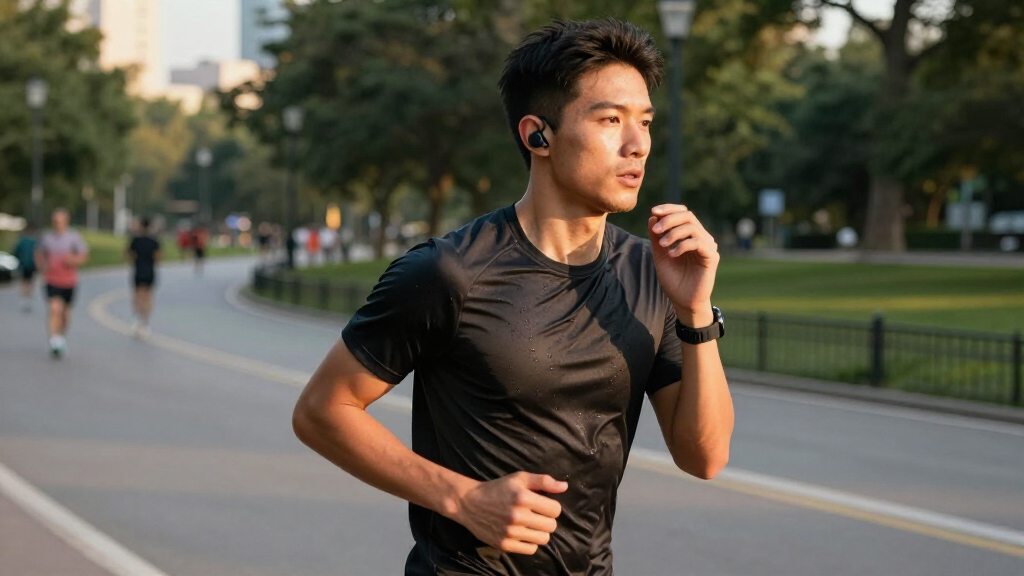

The best wireless headphones for runners balance a secure fit, useful sound, and enough awareness of your surroundings for the routes you run. The SHOKZ OpenRun is my best overall pick for its open-ear bone-conduction design, while the SHOKZ OpenRun Pro 2 stands out for runners seeking a more premium feature set and the bmani T16 for those who prefer ear-hook earbuds with a long advertised total playtime. The main tradeoffs are open-ear awareness versus more immersive sound, comfort and stability versus a conventional in-ear seal, and battery or protection claims versus fit and controls that work on the move. I compare all 13 options by those practical differences, rather than treating every pair as interchangeable. Read on for the full breakdown and help choosing a pair for your routes.

Get the latest gadgets delivered free with Prime
- Fast, free delivery on millions of items
- Prime Video, Amazon Music and more included
- Member-only deals all year
Complete the kit


Key Takeaways
- Open-ear designs dominate this lineup: SHOKZ, Gavhaio, CXK, and other bone-conduction-style options suit runners who want to hear more of their surroundings, but they are not the best match for blocking traffic or gym noise.
- SHOKZ separates into distinct buying choices: the OpenRun is the straightforward all-rounder, while the OpenRun Pro 2 models add a premium lane; the Mini version is a fit choice, not a different colorway.
- Ear hooks favor a different priority: the bmani T16 and Back Bay Runner earbuds are worth comparing if a conventional earbud fit matters more than an open-ear feel.
- Headline battery claims need context: the bmani T16 advertises 80-hour total playtime with its case, but case-inclusive figures are not the same as listening time between charges.
- Fit and route matter as much as features: a runner who needs ambient awareness has different priorities from someone running on a treadmill, and an IP65 claim on the Gavhaio JY-B2 should be weighed against fit, controls, and sound preferences.
| SHOKZ OpenRun Bone Conduction Open-Ear Bluetooth Sport Headphones, Black |  | Best Overall for Everyday Road Runs | Model: OpenRun S803 | Design: Open-ear, bone conduction | Water resistance: IP67 | VIEW LATEST PRICE | See Our Full Breakdown |
| SHOKZ OpenRun Pro 2 Open-Ear Bluetooth Sport Headphones, Black |  | Best Premium Open-Ear Pick | Model: OpenRun Pro 2 (S820) | Fit: Open ear | Audio technology: Bone conduction and air conduction | VIEW LATEST PRICE | See Our Full Breakdown |
| bmani T16 Wireless Earbuds with Ear Hooks, LED Charging Case, and 80-Hour Total Playtime | 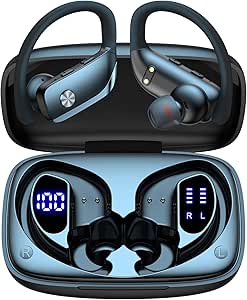 | Best for Long Time Between Charges | Model: T16 | Connectivity: Bluetooth wireless | Bluetooth range: 15 meters | VIEW LATEST PRICE | See Our Full Breakdown |
| Gavhaio JY-B1 Open-Ear Bone Conduction Headphones, Bluetooth 6.0 |  | Best Lightweight Budget-Style Open-Ear Pick | Model: JY-B1 | Connectivity: Bluetooth 6.0, wireless | Weight: 25 g | VIEW LATEST PRICE | See Our Full Breakdown |
| Gavhaio JY-B2 Bone Conduction Headphones, Bluetooth 6.0, IP65 |  | Best for Multi-Device Pairing | Model: JY-B2 | Technology: Bone conduction, open-ear | Bluetooth version: 6.0 | VIEW LATEST PRICE | See Our Full Breakdown |
| Back Bay Audio Runner 40 Wireless Earbuds |  | Best for a Secure, Rain-Ready Fit | Connectivity: Bluetooth 5.3 | Bluetooth range: 30 feet | Water resistance: IPX7; not for swimming | VIEW LATEST PRICE | See Our Full Breakdown |
| CXK Bone Conduction Headphones X15 |  | Best Open-Ear Pick for App-Based Customization | Connectivity: Bluetooth 6.0 | Battery life: Up to 10 hours | Charge time: 2 hours | VIEW LATEST PRICE | See Our Full Breakdown |
| SHOKZ OpenRun Pro 2 Bone Conduction Bluetooth Sport Headphones, Orange | 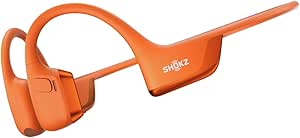 | Best Premium Open-Ear Pick | Design: Open-ear | Driver type: Bone conduction with air conduction | Battery life: Up to 12 hours | VIEW LATEST PRICE | See Our Full Breakdown |
| Bluetooth 6.0 Bone Conduction Open-Ear Headphones with Mic |  | Best Lightweight Option for Short, Sweaty Runs | Connectivity: Bluetooth 6.0 | Wireless range: Up to 33 feet | Playback time: Up to 12 hours | VIEW LATEST PRICE | See Our Full Breakdown |
| Back Bay Audio Runner 60 Wireless Running Earbuds |  | Best for Long Battery Life | Connectivity: Bluetooth 5 | Bluetooth range: 30 feet | Water resistance: IPX7; not designed for swimming | VIEW LATEST PRICE | See Our Full Breakdown |
| SHOKZ OpenRun Pro 2 Mini Open-Ear Bluetooth Sport Headphones, Black | 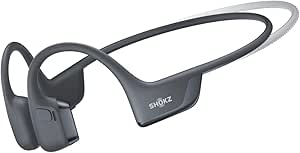 | Best for Runners Who Want Open-Ear Audio and Clearer Calls | Design: Open-ear, bone and air conduction | Battery life: Up to 12 hours in description; 7 hours in product information | Charging time: 60 minutes | VIEW LATEST PRICE | See Our Full Breakdown |
| Back Bay Audio Runner 40 Wireless Sport Earbuds |  | Best for Rainy Runs and a Secure In-Ear Fit | Connectivity: Bluetooth 5 | Bluetooth range: 30 feet | Water resistance: IPX7; not intended for swimming | VIEW LATEST PRICE | See Our Full Breakdown |
| Open-Ear Bone Conduction Sports Headphones | 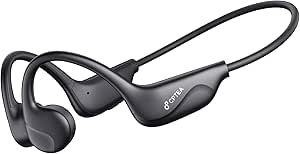 | Best Lightweight Pick for Everyday Training | Weight: 27 g | Design: Open-ear bone conduction | Driver size: 16 mm | VIEW LATEST PRICE | See Our Full Breakdown |
| wireless headphones for runner | Water resistance | Battery life | Weight | Connectivity |
|---|---|---|---|---|
| SHOKZ OpenRun Bone Conduction | IP67 | Up to 8 hours | — | — |
| SHOKZ OpenRun Pro 2 Open-Ear B | IP55 | Up to 12 hours | — | — |
| bmani T16 Wireless Earbuds wit | — | — | — | Bluetooth wireless |
| Gavhaio JY-B1 Open-Ear Bone Co | IP65 | Up to 10 hours | 25 g | Bluetooth 6.0, wireless |
| Gavhaio JY-B2 Bone Conduction | IP65 | Up to 10 hours | 25 g | — |
| Back Bay Audio Runner 40 Wirel | IPX7; not for swimming | Up to 6 hours per charge; up to 30 hours with case | 45 g | Bluetooth 5.3 |
| CXK Bone Conduction Headphones | IPX7; not suitable for swimming | Up to 10 hours | 28 g | Bluetooth 6.0 |
| SHOKZ OpenRun Pro 2 Bone Condu | — | Up to 12 hours | — | — |
| Bluetooth 6.0 Bone Conduction | IP54; not suitable for swimming or prolonged immersion | — | 28 g | Bluetooth 6.0 |
| Back Bay Audio Runner 60 Wirel | IPX7; not designed for swimming | Up to 8 hours per charge; up to 80 hours with case | 3 ounces | Bluetooth 5 |
| SHOKZ OpenRun Pro 2 Mini Open- | Water resistant; level not specified | Up to 12 hours in description; 7 hours in product information | — | — |
| Back Bay Audio Runner 40 Wirel | IPX7; not intended for swimming | — | 45 g | Bluetooth 5 |
| Open-Ear Bone Conduction Sport | Sweat- and rain-resistant; rating not specified | — | 27 g | — |
More Details on Our Top Picks
SHOKZ OpenRun Bone Conduction Open-Ear Bluetooth Sport Headphones, Black
The SHOKZ OpenRun is the strongest all-around choice here for runners who want to hear nearby traffic and other people without giving up a secure fit. Its open-ear bone-conduction design leaves the ear canals uncovered, while the lightweight wraparound frame is made to stay put through movement. Compared with the bmani T16, it gives up the more isolating in-ear fit and very long case-supported listening time, but it offers a specified IP67 water-resistance rating and a clear focus on outdoor awareness. Battery life reaches eight hours, and a 10-minute quick charge adds up to 1.5 hours of use, a handy fallback before a run. The tradeoff is limited sound isolation: traffic stays audible, but so does more of the surrounding noise, and this model is not for swimming.
Pros:- Open-ear fit leaves the ear canals uncovered so nearby sounds remain easier to hear.
- Lightweight wraparound design is intended to stay secure during workouts.
- IP67 water-resistance rating suits sweaty runs and wet conditions.
- Quick charge provides up to 1.5 hours of use from a 10-minute charge.
Cons:- Open-ear construction offers less noise isolation than the bmani T16’s in-ear design.
- Up to eight hours of battery life is shorter than the SHOKZ OpenRun Pro 2’s stated 12 hours.
- Not suitable for swimming.
Best for: Road and trail runners who prioritize a stable open-ear fit, awareness of nearby sounds, and a clear water-resistance rating.
Not ideal for: Runners who want strong noise isolation, private listening in quiet places, or headphones for swimming.
- Model:OpenRun S803
- Design:Open-ear, bone conduction
- Water resistance:IP67
- Battery life:Up to 8 hours
- Quick charge:10 minutes for up to 1.5 hours of use
- Charging:Magnetic induction
- Compatibility:Android, iOS, Windows, and Bluetooth-enabled devices
- Controls:Button and volume control
Our verdict“Choose the OpenRun for everyday outdoor running if awareness and a secure open-ear fit matter more than noise isolation or the longest battery life.”
SHOKZ OpenRun Pro 2 Open-Ear Bluetooth Sport Headphones, Black
For runners who want more listening time and richer sound while keeping their ears open, the SHOKZ OpenRun Pro 2 is the premium-leaning option in this group. Its combination of bone-conduction and air-conduction drivers is designed to deliver clearer highs and deeper bass than a simpler open-ear approach, while EQ modes let listeners adjust the sound. Up to 12 hours of battery life also outlasts the SHOKZ OpenRun, making it a better fit for long outings or frequent training days between charges. Dual wind-resistant microphones with AI noise reduction add practical call support. In exchange, its IP55 rating is lower than the OpenRun’s IP67 rating, and open-ear playback still leaks sound and offers less isolation than the bmani T16. Skip it if you need privacy or a swim-ready design.
Pros:- Up to 12 hours of battery life exceeds the SHOKZ OpenRun’s stated runtime.
- Bone- and air-conduction drivers are designed to balance clear highs with deeper bass.
- EQ modes give listeners a way to adjust the sound.
- Dual wind-resistant microphones with AI noise reduction support clearer calls.
Cons:- IP55 is a lower water-resistance rating than the SHOKZ OpenRun’s IP67.
- Open-ear playback provides less isolation than the in-ear bmani T16.
- Sound leakage may be noticeable in quiet settings.
Best for: Frequent runners who want longer battery life, adjustable sound, and open-ear awareness for outdoor training and calls.
Not ideal for: Runners who need stronger water protection, private listening in quiet spaces, or a sealed fit that blocks surrounding noise.
- Model:OpenRun Pro 2 (S820)
- Fit:Open ear
- Audio technology:Bone conduction and air conduction
- Battery life:Up to 12 hours
- Charge time:1 hour
- Water resistance:IP55
- Microphones:Dual wind-resistant microphones with AI noise reduction
- Frame material:Nickel-titanium alloy, plastic, and silicone
Our verdict“Pick the OpenRun Pro 2 if you want longer runtime and adjustable open-ear audio, and can accept less isolation and a lower water-resistance rating than the OpenRun.”
bmani T16 Wireless Earbuds with Ear Hooks, LED Charging Case, and 80-Hour Total Playtime
The bmani T16 suits runners who prefer earbuds that sit in the ears and want a charging case that stretches time between outlets. Its adjustable ear hooks are intended to hold the earbuds in place during workouts, while button controls offer direct access to music and calls. The headline figure is up to 80 hours of total playtime with the case, but each earbud runs for up to eight hours per charge; that distinction matters if you leave the case behind on a long run. Compared with the open-ear SHOKZ OpenRun, the T16 may provide more isolation from ambient noise, but it does not preserve the same open-ear awareness. Its sweat- and dust-resistant description comes without a stated IP rating, so buyers who want a clearly rated water-resistant option should favor the OpenRun or the Gavhaio JY-B1.
Pros:- Charging case extends total playtime to up to 80 hours.
- Adjustable ear hooks are designed to keep the earbuds secure during workouts.
- Separate main and volume buttons provide physical controls.
- Dual microphones support calls.
Cons:- Each earbud provides up to eight hours per charge, so the case is needed for extended use beyond that.
- Water-resistance rating is not specified, unlike the rated SHOKZ OpenRun and Gavhaio JY-B1.
- In-ear fit offers less awareness of surroundings than open-ear options in this roundup.
Best for: Runners who prefer an in-ear fit, want ear hooks for workout stability, and carry a case between runs to extend listening time.
Not ideal for: Outdoor runners who prioritize hearing traffic, or buyers who require a published IP water-resistance rating.
- Model:T16
- Connectivity:Bluetooth wireless
- Bluetooth range:15 meters
- Earbud playtime:Up to 8 hours per charge
- Total playtime with case:Up to 80 hours
- Driver size:10 mm
- Microphones:Dual
- Charging port:USB Type-C
Our verdict“Choose the T16 if you want hooked in-ear earbuds and long case-supported listening time, but not if outdoor awareness or a published water-resistance rating is a priority.”
Gavhaio JY-B1 Open-Ear Bone Conduction Headphones, Bluetooth 6.0
The Gavhaio JY-B1 is a straightforward open-ear option for runners who want a light frame and a few useful settings without moving to the more feature-rich SHOKZ OpenRun Pro 2. At 25 g, it is designed to sit lightly during workouts, and its three EQ modes let runners choose between vocal, bass, and balanced profiles. Up to 10 hours of battery life sits between the OpenRun’s eight hours and the Pro 2’s 12, making the JY-B1 a practical middle ground on runtime. Dual-device connection can help runners who alternate between a phone and another Bluetooth device. The listed IP65 rating adds a clear level of workout water resistance, though the headphones are not for swimming. Its tradeoff is a simpler feature set: the product data lists a built-in microphone but no noise-reduction system like the Pro 2’s.
Pros:- Light 25 g build is suited to runners who want minimal weight around the head.
- Open-ear design helps keep surrounding sounds audible.
- Up to 10 hours of battery life exceeds the SHOKZ OpenRun’s stated eight hours.
- Three EQ modes and dual-device connection add flexibility.
Cons:- Its listed feature set is simpler than the SHOKZ OpenRun Pro 2’s dual-driver system and noise-reducing microphones.
- IP65 protection does not make it suitable for swimming.
- One-year warranty is shorter than the SHOKZ OpenRun’s stated two-year warranty.
Best for: Runners seeking a lightweight open-ear headset with EQ choices, dual-device connection, and a stated IP65 rating.
Not ideal for: Runners who want the SHOKZ OpenRun Pro 2’s dual-driver audio and noise-reducing microphones, or headphones for swimming.
- Model:JY-B1
- Connectivity:Bluetooth 6.0, wireless
- Weight:25 g
- Battery life:Up to 10 hours
- Charge time:1 hour
- EQ modes:Vocal, Bass, Balanced
- Water resistance:IP65
- Device connection:Dual-device
Our verdict“Choose the JY-B1 for a lightweight open-ear run headset with EQ and dual-device support, but opt for the OpenRun Pro 2 if calls and richer audio features matter more.”
Gavhaio JY-B2 Bone Conduction Headphones, Bluetooth 6.0, IP65
The Gavhaio JY-B2 makes the most sense for runners who want open-ear awareness and the convenience of switching between two connected devices. Its dual-device connection, built-in microphone, and push-button controls suit workouts that mix phone listening with another Bluetooth source. Like the Gavhaio JY-B1, it weighs 25 g, offers three EQ modes, and is rated IP65, so the choice between them is less about core running fit than the JY-B2’s stated connectivity and USB-C charging details. Up to 10 hours of playback is a useful middle ground between the eight-hour SHOKZ OpenRun and the 12-hour OpenRun Pro 2. Its limitations are clear: it is not for swimming, and its listed one-year warranty is shorter than the OpenRun’s two years. Pick it for device flexibility, not for maximum battery life or the strongest documented feature set.
Pros:- Dual-device connection supports use with two paired sources.
- Open-ear bone-conduction design leaves surrounding sounds easier to hear.
- Three EQ modes offer vocal, bass, and balanced sound options.
- USB-C charging and push-button controls are practical for regular workout use.
Cons:- Up to 10 hours of playback is less than the SHOKZ OpenRun Pro 2’s stated 12 hours.
- IP65 protection does not make the headphones suitable for swimming.
- One-year warranty is shorter than the SHOKZ OpenRun’s stated two years.
Best for: Runners who switch between two Bluetooth devices and want a lightweight open-ear fit with physical controls.
Not ideal for: Runners seeking the longest listed battery life, a swimming headset, or the longer warranty stated for the SHOKZ OpenRun.
- Model:JY-B2
- Technology:Bone conduction, open-ear
- Bluetooth version:6.0
- Battery life:Up to 10 hours
- Charge time:1.5 hours
- Charging:USB-C
- Water resistance:IP65
- Weight:25 g
Our verdict“Pick the JY-B2 if switching between two devices matters more than maximum runtime, swim use, or a longer warranty.”
Back Bay Audio Runner 40 Wireless Earbuds
The Runner 40 is a practical pick for runners who prefer a sealed earbud fit over open-ear audio. Its wraparound hooks help keep the buds in place during movement, while IPX7 water resistance adds reassurance in rain and sweaty sessions; that rating does not make them suitable for swimming. Compared with the Back Bay Audio Runner 60, this model gives up some per-charge and case battery life, but retains the same workout-focused hook approach in a lighter listed package. The six-hour charge is adequate for most runs, and the case extends total playback to 30 hours. Bass mode and touch controls add flexibility, though runners who prioritize hearing traffic or other surroundings should choose an open-ear option such as the SHOKZ OpenRun Pro 2 instead.
Pros:- Wraparound hooks are designed to stay secure during runs and workouts
- IPX7 water resistance suits rain and sweaty exercise
- Charging case raises total playback to up to 30 hours
- Bluetooth 5.3 and touch controls support wireless listening and call control
Cons:- Not intended for swimming
- Up to six hours per charge is less than the Runner 60’s eight-hour figure
- Sealed earbuds provide less awareness of surroundings than open-ear headphones
Best for: Runners who want earbuds with a retention hook, rain resistance, and a charging case for regular workouts.
Not ideal for: Swimmers, runners who want to hear ambient sounds clearly, or anyone needing more than six hours of playback between case charges.
- Connectivity:Bluetooth 5.3
- Bluetooth range:30 feet
- Water resistance:IPX7; not for swimming
- Battery life:Up to 6 hours per charge; up to 30 hours with case
- Charging:USB-C
- Controls:Touch controls for music, volume, and calls
- Weight:45 g
- Warranty:1 year
Our verdict“Choose the Runner 40 if you want hooked, rain-ready earbuds for typical-length runs and do not need an open-ear design.”
CXK Bone Conduction Headphones X15
The CXK X15 suits runners who want an open-ear fit and a way to adjust sound through a companion app. Its 28 g titanium frame is designed to stay in place without sealing the ear canal, so road and trail sounds remain easier to hear than with the Back Bay Audio Runner 40. The app’s custom EQ offers more sound tuning than the listed controls on that earbud model, but bone conduction has a real sonic compromise: deep bass may be limited compared with sealed earbuds. Ten hours of playback is a solid allowance for training, though the SHOKZ OpenRun Pro 2 offers up to 12 hours and adds air-conduction drivers. The X15’s IPX7 rating is for sweat and rain, not swimming, so water resistance should not be read as permission to submerge it.
Pros:- Open-ear design helps preserve awareness of nearby sounds
- Lightweight 28 g titanium frame is designed for a secure fit
- Up to 10 hours of playback supports extended training sessions
- Companion app offers custom EQ and AI-generated music features
Cons:- Bone conduction may not deliver the deep bass of traditional earbuds
- IPX7 rating does not mean the headphones are suitable for swimming
- Two-hour charge time is longer than a quick top-up would require
Best for: Runners who want an open-ear frame, a lightweight fit, and app-based EQ adjustments for varied workouts.
Not ideal for: Swimmers, bass-focused listeners, or runners who want the longer stated battery life and hybrid drivers of the SHOKZ OpenRun Pro 2.
- Connectivity:Bluetooth 6.0
- Battery life:Up to 10 hours
- Charge time:2 hours
- Weight:28 g
- Frame material:Titanium
- Bluetooth range:33 feet
- Water resistance:IPX7; not suitable for swimming
- Features:Companion app with custom EQ and AI-generated music
Our verdict“Pick the CXK X15 if open-ear awareness and app-based sound tuning matter more to you than strong bass or the OpenRun Pro 2’s longer runtime.”
SHOKZ OpenRun Pro 2 Bone Conduction Bluetooth Sport Headphones, Orange
The SHOKZ OpenRun Pro 2 is the strongest fit here for runners who want open-ear awareness without accepting the more limited sound profile often associated with bone conduction. Its bone-and-air-conduction drivers are designed to add fuller bass while keeping the ears open, unlike the simpler bone-conduction setup of the CXK X15. Up to 12 hours of playback also gives it the longest stated runtime among these five products, and dual wind-resistant microphones with AI noise reduction are a useful advantage for calls outdoors. The tradeoff is inherent to open-ear listening: it offers less isolation than the Back Bay Audio Runner 60, and sound may be less private in quiet settings. Choose it for awareness and a richer open-ear presentation, not for blocking noise.
Pros:- Open-ear design helps runners stay aware of their surroundings
- Bone and air conduction drivers are designed to deliver fuller audio than bone conduction alone
- Up to 12 hours of playback is the longest stated runtime in this batch
- Dual wind-resistant microphones with AI noise reduction support outdoor calls
Cons:- Open-ear fit provides less noise isolation than sealed earbuds such as the Runner 60
- Some audio may be audible to people nearby
- Does not block traffic, gym noise, or other distractions
Best for: Runners and cyclists who want open-ear awareness, longer playback, and clearer outdoor calls in a premium sport headphone.
Not ideal for: People who need strong noise isolation, private listening in quiet places, or a sealed fit that keeps outside sound out.
- Design:Open-ear
- Driver type:Bone conduction with air conduction
- Battery life:Up to 12 hours
- Frame material:Nickel-titanium alloy, plastic, and silicone
- Microphones:Dual wind-resistant microphones with AI noise reduction
- Controls:Touch control and app
- Color:Orange
- Warranty:2 years
Our verdict“Choose the OpenRun Pro 2 if you want the most feature-rich open-ear option here and can live without isolation or fully private sound.”
Bluetooth 6.0 Bone Conduction Open-Ear Headphones with Mic
This 28 g open-ear headset is a straightforward choice for runners who value a light wraparound frame and do not need a feature-rich companion app. Its IP54 protection covers sweat and light splashes, but it is a more limited water rating than the IPX7 CXK X15 or Back Bay Audio Runner 40, so heavy rain or prolonged exposure calls for more caution. Up to 12 hours of playback matches the SHOKZ OpenRun Pro 2 on stated runtime, though the SHOKZ adds hybrid drivers and specified wind-resistant call features. This model lists only a built-in microphone, with no call-quality details, and its 13 mm driver specification does not by itself establish sound performance. It makes most sense as a basic awareness-first option, not as the pick for rough weather or call-heavy training.
Pros:- 28 g wraparound design keeps the listed weight low
- Open-ear fit helps maintain awareness of surroundings
- Up to 12 hours of playback per charge
- USB-C charging and Bluetooth 6.0 are specified
Cons:- IP54 protection is less suited to heavy rain than the IPX7 CXK X15
- Not suitable for swimming or prolonged immersion
- Microphone is listed, but call-quality performance is not specified
Best for: Runners who want a lightweight open-ear frame for everyday training in dry conditions or light splashes.
Not ideal for: Runners who often train in heavy rain, need verified call performance, or want the fuller driver setup and wind-resistant microphones of the SHOKZ OpenRun Pro 2.
- Connectivity:Bluetooth 6.0
- Wireless range:Up to 33 feet
- Playback time:Up to 12 hours
- Charging time:About 2 hours
- Charging port:USB Type-C
- Driver size:13 mm
- Weight:28 g
- Water resistance:IP54; not suitable for swimming or prolonged immersion
Our verdict“Pick this model for a light, basic open-ear fit in mild conditions, but choose a better-documented or more water-resistant option for demanding runs.”
Back Bay Audio Runner 60 Wireless Running Earbuds
The Runner 60 is the battery-first choice for runners who prefer hooked, sealed earbuds and want fewer case recharges. It offers up to eight hours per charge and 80 hours with the case, far more total playback than the Runner 40’s 30-hour figure. Six ear-tip sizes also make fit adjustment a stronger part of its proposition, while the over-ear hooks help keep the buds secure during workouts. Against open-ear options such as the SHOKZ OpenRun Pro 2, the Runner 60 gives up environmental awareness and has a more isolating fit; that can suit focused treadmill sessions but is a drawback near traffic. IPX7 resistance is useful for sweat and rain, not swimming. Its stated three-ounce weight and Bluetooth 5 are worth weighing if a lighter listed design is a priority.
Pros:- Up to 80 hours of combined playback with the charging case
- Up to eight hours per charge exceeds the Runner 40’s six-hour figure
- Over-ear hooks and six ear-tip sizes support fit adjustment
- IPX7 water resistance is suited to sweat and rain
Cons:- Not designed for swimming
- Sealed fit offers less awareness of surroundings than open-ear models
- Listed weight is 3 ounces, and Bluetooth is version 5
Best for: Runners who want hooked earbuds, several ear-tip sizes, and a case with enough stated capacity for frequent workouts between charges.
Not ideal for: Road runners who need to hear surrounding traffic, swimmers, or buyers who prioritize a lightweight listed weight and newer Bluetooth version.
- Connectivity:Bluetooth 5
- Bluetooth range:30 feet
- Water resistance:IPX7; not designed for swimming
- Battery life:Up to 8 hours per charge; up to 80 hours with case
- Audio driver size:10 mm
- Frequency response:20–20,000 Hz
- Weight:3 ounces
- Included accessories:Wireless charging case, six ear-tip sizes, user manual
Our verdict“Choose the Runner 60 if long case-supported runtime and adjustable hooked fit matter more than open-ear awareness or a lighter listed weight.”
SHOKZ OpenRun Pro 2 Mini Open-Ear Bluetooth Sport Headphones, Black
The SHOKZ OpenRun Pro 2 Mini suits runners who want to hear traffic and other activity without giving up fuller-sounding open-ear audio. Its combination of bone and air conduction is a differentiator from the simpler bone-conduction approach of the SHOKZ OpenRun, while the titanium alloy memory wire and ergonomic hooks are designed to stay put during movement. Wind-resistant microphones with AI noise reduction also make it a stronger fit for runners who take calls outdoors than a basic workout headset.
The main caveat is power: the description claims up to 12 hours, but the product information also lists 7 hours, so I would not choose it on the longer figure alone. Its water resistance level is unspecified, too, unlike the Back Bay Audio Runner 40’s IPX7 rating. Choose this for awareness and call features, not a clearly documented wet-weather rating.
Pros:- Open-ear design helps runners remain aware of nearby sounds
- Bone and air conduction drivers are designed to add bass and clearer highs
- Lightweight titanium alloy memory wire and ear hooks are built for a secure exercise fit
- Wind-resistant microphones with AI noise reduction support outdoor calls
Cons:- Battery information conflicts between the stated 12-hour maximum and a 7-hour product listing
- Water resistance level is not specified
- Open-ear playback offers less isolation from traffic, wind, and other ambient noise
Best for: Runners who want open-ear listening, a secure lightweight frame, and microphones intended to reduce wind noise on outdoor calls.
Not ideal for: Runners who need a clearly specified water-resistance rating or dependable battery-life expectations for long outings.
- Design:Open-ear, bone and air conduction
- Battery life:Up to 12 hours in description; 7 hours in product information
- Charging time:60 minutes
- Microphones:Dual wind-resistant microphones with AI noise reduction
- Call wind resistance:Up to 15 mph
- Materials:Silicone and titanium alloy
- Water resistance:Water resistant; level not specified
- Warranty:2 years
Our verdict“Choose the SHOKZ OpenRun Pro 2 Mini for an awareness-first running headset with call-focused features, but not if you need clear battery or water-resistance claims.”
Back Bay Audio Runner 40 Wireless Sport Earbuds
For runners who prefer earbuds that sit in the ears, the Back Bay Audio Runner 40 prioritizes a hooked fit and a specific weather rating over open-ear awareness. Its IPX7 water resistance is a clearer claim for sweaty or rainy workouts than the unspecified water resistance on the SHOKZ OpenRun Pro 2 Mini. Over-ear hooks help keep the earbuds in place, and the charging case brings total playback to up to 30 hours, making it practical for runners who do not want to recharge after every outing.
The tradeoff is the shorter up to 6 hours per charge: the longer figure depends on carrying and using the case. Unlike the SHOKZ open-ear options, these earbuds offer less awareness of surrounding sounds while playing audio. They are rated for rain and sweat, not swimming. I would pick them for fit and weather protection, not for runners who prioritize hearing their environment.
Pros:- Over-ear hooks are designed to hold the earbuds securely during workouts
- IPX7 water resistance is specified for rain and sweat
- Charging case supports up to 30 hours of total playback
- Touch controls and bass mode offer convenient workout adjustments
Cons:- Playback is limited to up to 6 hours per charge without the case
- In-ear design provides less awareness of nearby sounds than open-ear models
- IPX7 rating does not mean the earbuds are suitable for swimming
Best for: Runners who prefer hooked in-ear earbuds and want a stated IPX7 rating for rainy routes and sweaty workouts.
Not ideal for: Road runners who want open-ear awareness, or runners who need more than six hours of playback between case charges.
- Connectivity:Bluetooth 5
- Bluetooth range:30 feet
- Water resistance:IPX7; not intended for swimming
- Playback time:Up to 6 hours per charge; up to 30 hours with charging case
- Charging:USB-C
- Controls:Touch controls for music, volume, and calls
- Weight:45 g
- Warranty:1 year
Our verdict“Pick the Runner 40 if you want hooked in-ear stability and a stated rain-and-sweat rating; choose an open-ear model if hearing your surroundings matters more.”
Open-Ear Bone Conduction Sports Headphones
At 27 g, these open-ear bone-conduction headphones make a straightforward case for runners who want a light frame and do not want earbuds inside the ear canal. The design supports awareness of surrounding sounds, much like the SHOKZ OpenRun, while Bluetooth 6.0 and more than 10 hours of stated playback suit regular training without frequent charging. Sweat- and rain-resistance claims add basic weather practicality, and Type-C charging uses a familiar connector.
This model is a simpler proposition than the SHOKZ OpenRun Pro 2 Mini: its supplied details do not mention combined bone and air conduction, EQ modes, or noise-reducing microphones. That may be fine for runners focused on lightness and basic playback, but open-ear sound will not isolate you from traffic or noisy surroundings. A full recharge takes about 2 hours, longer than the 60-minute charging time listed for the SHOKZ Pro 2 Mini. The water-resistance level is also not specified.
Pros:- Light 27 g design does not enter the ear canal
- Open-ear bone conduction helps preserve awareness of surroundings
- Playback is stated at over 10 hours at 60% volume
- Bluetooth 6.0 and Type-C charging are specified
Cons:- Open-ear audio provides little isolation from surrounding noise
- Full recharge takes about 2 hours
- Water resistance is described for sweat and rain without a specific rating
Best for: Runners seeking a lightweight, ear-canal-free headset for routine outdoor training and more than 10 hours of stated playback.
Not ideal for: Runners who need strong isolation, a specified water-resistance rating, or extra features such as listed EQ modes and call noise reduction.
- Weight:27 g
- Design:Open-ear bone conduction
- Driver size:16 mm
- Bluetooth:6.0
- Wireless range:10 m (33 ft)
- Playback time:Over 10 hours at 60% volume
- Battery capacity:220 mAh
- Charging:About 2 hours via USB Type-C
- Water resistance:Sweat- and rain-resistant; rating not specified
Our verdict“Choose this model for lightweight, basic open-ear running audio, but favor the SHOKZ OpenRun Pro 2 Mini if you want more listed audio and call features.”

How We Picked
I ranked these headphones around the decisions runners make before and during a run: how the design sits securely, whether it leaves the ear open or seals it, how clearly the product’s stated protection and battery details match outdoor use, and how practical its controls and charging setup are. I also separated design types rather than assuming bone-conduction headphones and earbud models serve the same runner. The lineup’s stated details—including the SHOKZ OpenRun Pro 2 Mini size, the Gavhaio JY-B2 IP65 rating, and the bmani T16’s case-inclusive playtime claim—inform the comparison without being treated as proof of comfort or performance for every person.
Ranking favors options with a clear role and a useful balance for running, then places more specialized alternatives lower when their appeal depends on a particular fit preference or a narrow feature. The SHOKZ OpenRun leads as the most broadly suited open-ear pick; the Pro 2 models are aimed at buyers seeking a more premium option, while ear-hook designs provide an alternative for runners who prefer earbuds. Similar-looking models are distinguished by their stated size, protection, or product positioning, not by unsupported claims about sound quality or durability.
| wireless headphones for runner | Battery life | Connectivity |
|---|---|---|
| SHOKZ OpenRun Bone Conduction | Up to 8 hours | — |
| SHOKZ OpenRun Pro 2 Open-Ear B | Up to 12 hours | — |
| bmani T16 Wireless Earbuds wit | — | Bluetooth wireless |
| Gavhaio JY-B1 Open-Ear Bone Co | Up to 10 hours | Bluetooth 6.0, wireless |
| Gavhaio JY-B2 Bone Conduction | Up to 10 hours | — |
| Back Bay Audio Runner 40 Wirel | Up to 6 hours per charge; up to 30 hours with case | Bluetooth 5.3 |
| CXK Bone Conduction Headphones | Up to 10 hours | Bluetooth 6.0 |
| SHOKZ OpenRun Pro 2 Bone Condu | Up to 12 hours | — |
| Bluetooth 6.0 Bone Conduction | — | Bluetooth 6.0 |
| Back Bay Audio Runner 60 Wirel | Up to 8 hours per charge; up to 80 hours with case | Bluetooth 5 |
| SHOKZ OpenRun Pro 2 Mini Open- | Up to 12 hours in description; 7 hours in product information | — |
| Back Bay Audio Runner 40 Wirel | — | Bluetooth 5 |
| Open-Ear Bone Conduction Sport | — | — |
Factors to Consider When Choosing Best Wireless Headphones For Runners
Before choosing from this list, match the headphone design to your route and the way you like to hear music. A feature that helps on a quiet path may be less useful on a busy street, and a large battery claim cannot compensate for a fit that shifts mid-run. These factors can narrow your options before you compare individual models.
Choose Open-Ear Awareness or an Earbud Seal
Open-ear and bone-conduction-style headphones leave the ear canal uncovered, which can make it easier to hear nearby activity while running outside. They do not provide the same isolation as earbuds, so wind, traffic, or a loud treadmill area can compete with your audio. Earbuds can offer a more contained listening experience, but a tighter seal may make surrounding sounds less apparent. Do not assume that open-ear means you can safely ignore your surroundings; keep volume modest and stay alert. Pick the design around your route and listening habits, not just the label on the box.
Treat Fit as a Running Requirement
A fit that feels fine while standing may shift once you sweat, turn your head, or run at pace. Ear hooks and wraparound frames use different contact points, so neither style is automatically secure for every head or ear shape. If possible, check the return policy and try the headphones during low-risk activity before relying on them for a long run. Small-fit versions, such as the SHOKZ OpenRun Pro 2 Mini, may suit some runners better, but the word “Mini” alone cannot predict comfort. Avoid choosing by appearance when the contact points are what determine stability.
Read Sweat and Water Protection Carefully
Running headphones may face sweat, rain, and the occasional rinse, but these are not identical conditions. A stated rating such as IP65 gives more specific protection information than a general claim that a model is made for sport; check the product’s own care instructions before exposing it to water. Do not assume sweat resistance means waterproofing or that a charging case shares the earbuds’ protection level. If your routes regularly involve heavy rain, prioritize clearly documented protection and safe drying and storage habits. For indoor runners, comfort and easy controls may matter more than a high protection claim.
Compare Real Listening Time, Not Just Case Totals
Battery claims may describe a single charge or combine headphone and case capacity into a total. Those numbers answer different questions: a case can extend use between outlets, but it does not tell you how long the headphones play before returning to the case. Think about your longest run, weekly training schedule, and how often you can recharge. A large advertised total, such as the bmani T16’s 80-hour figure, should be read with the product’s explanation of what is included. Charging convenience and reliable access to power may matter more than a headline total for most runners.
Decide How Much Isolation You Actually Want
More immersive sound can be appealing in a gym or on a quiet treadmill, while outdoor runners may prefer a design that does not seal off the ear. Neither choice makes a headphone universally better: the right balance depends on where you run and how much environmental sound you need to notice. Noise-cancelling features, where available, can be a poor fit for routes near traffic if they reduce awareness. Consider whether you can hear instructions, other people, and your own surroundings at a sensible volume. Avoid turning audio up to overcome environmental noise; changing the route or listening setup is the safer response.
Pay for a Specific Benefit, Not a Feature List
A premium model makes sense when its particular design or added features solve a real problem for your routine. If you mainly need an open-ear fit, compare a straightforward option such as the OpenRun with the Pro 2 models before paying for a higher-tier choice. Runners who prefer ear hooks may get more value from comparing those models’ fit and charging setup than from switching to bone conduction just because it is popular. For a first pair, simple controls and a fit you can manage matter more than collecting extra functions. Write down your one or two must-haves, then skip features that do not affect your runs.
Frequently Asked Questions
Are bone-conduction headphones or ear-hook earbuds better for running outdoors?
Neither design wins for every outdoor runner. Bone-conduction-style and open-ear models leave the ear canal uncovered, which may help you hear nearby sounds, while ear-hook earbuds offer a more conventional earbud listening style and keep the earpiece supported. Your route, preferred sound, and how each design fits your head or ears should decide it. If you run near traffic or shared paths, prioritize awareness and keep your volume controlled. For treadmill sessions, the more contained sound of earbuds may matter more than open-ear awareness.
Does an IP65 rating mean I can wear headphones in heavy rain?
IP65 is a specific protection rating, but it does not mean a product is suitable for every kind of water exposure. Check the manufacturer’s guidance for rain, sweat, cleaning, and drying, and do not assume the charging case carries the same rating as the headphones. If you often run in wet conditions, compare explicit protection details rather than relying on broad “sport” wording. After a wet run, follow the care instructions before charging or storing the pair. When protection information is unclear, choose a model with clearer documentation or keep it out of heavy rain.
How should I compare an advertised total playtime with battery life per charge?
Check whether the stated figure refers to headphone playback on one charge or combines the headphones with the charging case. A case-inclusive total, such as the bmani T16’s advertised 80-hour playtime, describes potential use across recharges rather than one uninterrupted listening session. For long runs, the per-charge figure is the more relevant number; for frequent training without easy access to an outlet, case capacity may also help. Compare both figures when a product provides them, and check how the manufacturer measured them. Do not choose on the biggest total alone.
Should I choose a mini-size model if I have a smaller head?
A mini version may be a better starting point if a standard wraparound frame tends to feel loose, but the name does not guarantee a comfortable fit. Frame shape, contact pressure, and where the headphone rests all affect stability during a run. The SHOKZ OpenRun Pro 2 Mini is a size-specific option within the Pro 2 family, so compare its fit guidance with the standard version rather than expecting a different feature set. If you can, try the fit before committing to long runs. A secure, comfortable frame matters more than choosing the smaller label by default.
Is it worth paying more for a premium running headphone?
Pay more only when the premium model adds something you will use, such as a preferred fit, a feature that supports your routine, or a design you find more comfortable. The OpenRun Pro 2 models serve a different role from the simpler OpenRun, but a higher tier does not automatically make a headphone the better match for every runner. If your main need is an open-ear design, start by comparing the standard option with the premium alternatives on fit and stated features. Runners who prefer ear-hook earbuds should compare those models on their own merits. For beginners, a comfortable, easy-to-operate pair can be a better first choice than paying for extras.
Conclusion
For the broadest fit with outdoor running, my best overall recommendation is the SHOKZ OpenRun, thanks to its open-ear approach and straightforward role in this lineup. Choose the SHOKZ OpenRun Pro 2—including the Mini if its fit suits you—as the best premium direction. The bmani T16 is my best value-style alternative for runners who want ear hooks and are drawn to its advertised case-inclusive playtime, while the SHOKZ OpenRun is also the clearest best for beginners pick if you want an open-ear starting point. For a specific need, compare the Gavhaio JY-B2 if its stated IP65 protection matters to your routine, and choose an ear-hook model over bone conduction if you prefer a conventional earbud fit. The right choice comes down to your route, fit, and listening preference—not the longest feature list.
Fall Picks
fall essentials
As an affiliate, we earn on qualifying purchases.