
The best MacBook laptop for most people is the 13-inch MacBook Air with M5, 16GB memory, and 512GB SSD: it balances portability, everyday speed, and useful storage without Pro-level hardware. Choose the 15-inch MacBook Air if a larger screen matters more than a smaller bag, or the 16-inch MacBook Pro with M5 Pro for sustained creative workloads and greater performance headroom. The lineup also includes a lower-memory MacBook Neo and Air configurations with 24GB memory and 1TB storage, so the right fit depends on workload as much as screen size. The main tradeoffs are portability versus workspace, light-use savings versus memory headroom, and everyday performance versus sustained Pro power. Read on for how I rank all 12 options and which compromises make sense for different buyers.

Get the latest gadgets delivered free — and shop member deals
- Fast, free delivery on millions of items
- Access to Prime Big Deal Days deals on October 6–7
- Prime Video, Amazon Music and more included
Complete the kit



Key Takeaways
- The 13-inch Air with M5, 16GB memory, and 512GB SSD is the most balanced choice in this lineup; it keeps the Air’s portable format while avoiding the Neo’s tighter memory and storage limits.
- The 15-inch Air prioritizes workspace, not a different performance tier. Its larger display is useful for split-screen work, but the 13-inch Air is easier to carry.
- The 24GB-memory, 1TB Air configurations are the Air picks for heavier multitasking and larger local files. Midnight, Starlight, Silver, and Sky Blue differ by finish rather than core configuration.
- The 16-inch MacBook Pro with M5 Pro is the specialist choice for buyers whose demanding work can use more sustained CPU and GPU capacity; it is more machine than many everyday users need.
- The MacBook Neo’s 8GB memory and 256GB SSD set a clear boundary. It suits lighter tasks and modest storage needs better than long-term, demanding multitasking.
- Color and camera distinctions do not change the core ranking. Choose among Air finishes by preference, and weigh the 12MP Center Stage camera as a video-call feature rather than a performance upgrade.


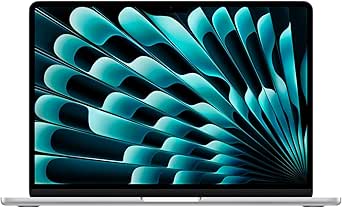


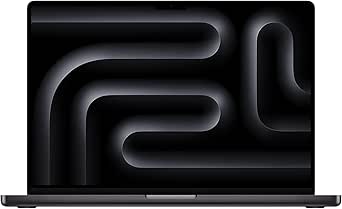
| MacBook laptop | Display | Storage | Weight | Camera |
|---|---|---|---|---|
| Apple MacBook Air 15-inch with | 15.3-inch Liquid Retina | 512GB SSD | 3.32 pounds | 12MP Center Stage |
| Apple 14.2-inch MacBook Pro wi | 14.2-inch Liquid Retina XDR | 1TB SSD | 3.41 pounds | 12MP Center Stage |
| Apple MacBook Air 13-inch with | 13.6-inch Liquid Retina | 512GB SSD | 2.71 pounds | 12MP Center Stage |
| Apple MacBook Neo 13-inch Lapt | 13-inch Liquid Retina | 256GB SSD | 2.71 pounds | 1080p FaceTime HD |
| Apple MacBook Air 13-inch Lapt | 13.6-inch Liquid Retina | 512GB SSD | 2.71 pounds | 12MP Center Stage with Desk View |
| Apple MacBook Air 13-inch with | 13.6-inch Liquid Retina; supports 1 billion colors | 1TB SSD | 2.71 pounds | 12MP Center Stage |
| Apple MacBook Air 13-inch with | 13.6-inch Liquid Retina | 1TB SSD | 2.71 pounds | 12MP Center Stage |
| Apple MacBook Air 13-inch with | 13.6-inch Liquid Retina; supports 1 billion colors | 1TB SSD | 2.71 pounds | 12MP Center Stage |
| Apple MacBook Air 15-inch Lapt | 15.3-inch Liquid Retina | 512GB SSD | 3.32 pounds | 12MP Center Stage |
| Apple MacBook Air 15-inch with | 15.3-inch Liquid Retina | 512GB SSD | 3.32 pounds | 12MP Center Stage |
| Apple MacBook Air 13-inch with | 13.6-inch Liquid Retina | 1TB SSD | 2.71 pounds | 12MP Center Stage |
| Apple MacBook Pro 16.2-inch wi | 16.2-inch Liquid Retina XDR | 1TB SSD | 4.71 pounds | — |
More Details on Our Top Picks
Apple MacBook Air 15-inch with M5 chip, 16GB memory and 512GB SSD (Starlight)
The 15-inch MacBook Air suits buyers who want more room for documents, split-screen work, or video without moving to a Pro. Its 15.3-inch Liquid Retina display is larger than the 13-inch MacBook Air with M5, while the Air design keeps weight to 3.32 pounds. The M5 chip, 16GB memory, and 512GB SSD make it a stronger everyday multitasking choice than the MacBook Neo, whose 8GB memory and 256GB storage leave less headroom. Battery life is rated up to 18 hours, and the six-speaker system and Center Stage camera suit calls and media. The tradeoff is fewer connections than the 14-inch MacBook Pro: there are only two Thunderbolt 4 ports, with no HDMI or SDXC slot. Choose it for screen space, not demanding Pro workflows.
Pros:- 15.3-inch display gives documents and side-by-side apps more room than the 13-inch Air.
- M5 chip, 16GB unified memory, and 512GB SSD provide capable everyday multitasking.
- Up to 18 hours of stated battery life supports long days away from an outlet.
- 12MP Center Stage camera and six-speaker sound suit video calls and media.
Cons:- Only two Thunderbolt 4 ports, fewer built-in connection options than the 14-inch MacBook Pro.
- At 3.32 pounds, it is heavier than the 13-inch MacBook Air.
- The listed configuration provides 16GB memory and 512GB storage, with no larger capacity specified.
Best for: Students and mobile professionals who regularly work with multiple windows and want a roomy display without a MacBook Pro.
Not ideal for: Video editors and photographers who need built-in HDMI or SD card connectivity, or buyers who prioritize the lightest possible laptop.
- Display:15.3-inch Liquid Retina
- Processor:Apple M5 chip
- Memory:16GB unified memory
- Storage:512GB SSD
- Battery life:Up to 18 hours
- Camera:12MP Center Stage
- Ports:Two Thunderbolt 4, MagSafe charging port, headphone jack
- Weight:3.32 pounds
Our verdict“Choose this 15-inch Air if display space matters more than the lighter carry and broader ports of the 13-inch Air and MacBook Pro.”
Apple 14.2-inch MacBook Pro with M5 chip, 16GB memory, and 1TB SSD – Space Black
The 14-inch MacBook Pro is the practical step up for buyers who need a sharper display experience and fewer adapter hassles. Its 14.2-inch Liquid Retina XDR panel reaches up to 1600 nits peak brightness, a meaningful contrast with the 15-inch MacBook Air, which offers more screen area but a Liquid Retina display rather than XDR. The Pro also includes HDMI, SDXC, and three Thunderbolt 4 ports, making it a better fit for photographers and people connecting external displays or other gear. Its M5 chip, 16GB memory, and 1TB SSD offer more built-in storage than either 512GB Air in this group. That advantage comes with a narrower 14.2-inch workspace and a 3.41-pound carry weight. Buyers seeking a larger everyday screen may prefer the 15-inch Air; this model earns its place through display capability and connectivity.
Pros:- Liquid Retina XDR display reaches up to 1600 nits peak brightness.
- HDMI, SDXC, and three Thunderbolt 4 ports reduce reliance on adapters.
- 1TB SSD offers twice the listed storage of the 512GB Air configurations here.
- Supports up to two external displays and includes a 12MP Center Stage camera.
Cons:- Its 14.2-inch display is smaller than the 15-inch MacBook Air screen.
- At 3.41 pounds, it is the heaviest of the 13- and 14-inch models in this batch.
- The listed configuration has 16GB memory, less than the 24GB Air configurations elsewhere in the roundup.
Best for: Photographers, hybrid workers, and frequent presenters who want an XDR screen and HDMI and SDXC ports built into the laptop.
Not ideal for: Travelers who value the lightest MacBook or buyers who mainly want a larger everyday display for documents and browsing.
- Display:14.2-inch Liquid Retina XDR
- Peak brightness:Up to 1600 nits
- Processor:Apple M5 chip with 10-core CPU
- Graphics:10-core GPU
- Memory:16GB unified memory
- Storage:1TB SSD
- Camera:12MP Center Stage
- Ports:Three Thunderbolt 4, MagSafe 3, SDXC, HDMI, headphone jack
- Weight:3.41 pounds
Our verdict“Pick the 14-inch Pro if XDR brightness, SDXC, and HDMI matter more than the 15-inch Air’s larger display or lighter carry.”
Apple MacBook Air 13-inch with M5 chip, 16GB Memory, 512GB SSD, and 12MP Center Stage Camera (Midnight)
The 13-inch MacBook Air is the carry-first pick among the M5 Airs here: at 2.71 pounds, it is lighter than the 15-inch MacBook Air and takes up less space in a bag. It keeps the same core combination of an M5 chip, 16GB unified memory, and a 512GB SSD, so choosing the smaller model does not mean stepping down in the listed memory or storage. The 13.6-inch Liquid Retina screen is well suited to everyday work, though buyers who keep several windows open may find the 15-inch Air more comfortable. Its 12MP Center Stage camera and support for up to two external displays make it flexible for calls and desk setups. The compromise is a compact screen and just two Thunderbolt 4 ports; the 14-inch MacBook Pro offers HDMI and SDXC for users with more accessories.
Pros:- 2.71-pound weight makes it easier to carry than the 15-inch Air and 14-inch Pro.
- M5 chip, 16GB unified memory, and 512GB SSD match the listed 15-inch Air configuration.
- Up to 18 hours of stated battery life supports extended use away from a charger.
- Supports up to two external displays and has a 12MP Center Stage camera.
Cons:- The 13.6-inch display provides less workspace than the 15-inch MacBook Air.
- Two Thunderbolt 4 ports offer fewer built-in connections than the 14-inch MacBook Pro.
- The listed configuration is fixed at 16GB memory and 512GB storage.
Best for: Commuters, students, and remote workers who want a light laptop with capable everyday specs and long stated battery life.
Not ideal for: People who routinely edit on a large workspace or connect cameras and monitors directly without adapters.
- Display:13.6-inch Liquid Retina
- Processor:Apple M5 chip
- Memory:16GB unified memory
- Storage:512GB SSD
- Camera:12MP Center Stage
- Battery life:Up to 18 hours
- Wireless:Wi-Fi 7 and Bluetooth 6
- Ports:Two Thunderbolt 4, MagSafe charging, headphone jack
- Weight:2.71 pounds
Our verdict“Choose this compact Air if low carry weight matters more than the larger screen and wider built-in port selection of the alternatives.”
Apple MacBook Neo 13-inch Laptop with A18 Pro Chip, 8GB Memory, 256GB SSD, Liquid Retina Display, and 1080p Camera – Blush
The MacBook Neo is the entry-level choice in this group, with a compact aluminum build, 13-inch Liquid Retina display, and up to 16 hours of stated battery life. Its role is different from the 13-inch MacBook Air with M5: the Air pairs its M5 chip with 16GB memory and 512GB storage, while the Neo has an A18 Pro, 8GB memory, and 256GB SSD. That smaller capacity can work for web browsing, writing, and video calls, but leaves less room for large files and demanding multitasking. The 1080p FaceTime HD camera, dual microphones, and side-firing speakers cover common online communication needs. The Neo is also light at 2.71 pounds, matching the listed 13-inch Air’s weight. Choose it for simpler routines; skip it if your workload or file library is likely to grow.
Pros:- Portable aluminum design weighs 2.71 pounds.
- 13-inch Liquid Retina display supports 1 billion colors.
- Up to 16 hours of stated battery life suits a day of everyday use.
- 1080p camera, dual microphones, and side-firing speakers cover video calls.
Cons:- 8GB unified memory provides less multitasking headroom than the 16GB MacBook Air models.
- 256GB SSD is half the listed storage of the 512GB Air configurations.
- Up to 16 hours of stated battery life is shorter than the Air models’ up-to-18-hour rating.
Best for: First-time Mac buyers, students, and casual users focused on browsing, writing, streaming, and video calls.
Not ideal for: People who edit large media projects, keep many demanding apps open, or need ample local storage for files.
- Display:13-inch Liquid Retina
- Processor:Apple A18 Pro
- Unified memory:8GB
- Storage:256GB SSD
- Camera:1080p FaceTime HD
- Battery life:Up to 16 hours
- Dimensions:8.12 x 11.71 x 0.5 inches
- Weight:2.71 pounds
Our verdict“Choose the Neo for straightforward everyday tasks and a lighter set of computing needs, but favor the M5 Air for heavier multitasking or more storage.”
Apple MacBook Air 13-inch Laptop with M5 Chip, 16GB Memory, 512GB SSD, and 12MP Center Stage Camera (Sky Blue)
This Sky Blue 13-inch MacBook Air is the style-led alternative to the otherwise closely matched Midnight 13-inch MacBook Air. Both listed models have an M5 chip, 16GB memory, 512GB SSD, 2.71-pound weight, and up to 18 hours of stated battery life, so the choice is primarily about finish rather than a performance distinction. The Air’s compact 13.6-inch Liquid Retina screen makes it easier to carry than the 15-inch MacBook Air, while its 12MP Center Stage camera with Desk View adds useful framing options for calls. Two Thunderbolt 4 ports, MagSafe, and a headphone jack cover core connections, and support for up to two external displays helps at a desk. The tradeoff is limited built-in port variety compared with the 14-inch MacBook Pro, plus less screen space than the 15-inch Air.
Pros:- M5 chip, 16GB unified memory, and 512GB SSD provide a capable everyday configuration.
- At 2.71 pounds, it is easier to carry than the 15-inch Air and 14-inch Pro.
- 12MP Center Stage camera includes Desk View for video calls.
- Up to 18 hours of stated battery life and support for up to two external displays.
Cons:- Two Thunderbolt 4 ports provide fewer built-in connection choices than the 14-inch MacBook Pro.
- The 13.6-inch screen offers less room than the 15-inch MacBook Air.
- The listed configuration has 16GB memory and 512GB storage, below the capacity of the 24GB and 1TB Air options elsewhere in the roundup.
Best for: Students and mobile professionals who want a light M5 laptop for everyday work and prefer a Sky Blue finish.
Not ideal for: Buyers who need HDMI or SDXC built in, or who want a larger screen for sustained split-screen work.
- Display:13.6-inch Liquid Retina
- Processor:Apple M5 chip
- Memory:16GB unified memory
- Storage:512GB SSD
- Camera:12MP Center Stage with Desk View
- Battery life:Up to 18 hours
- Wireless:Wi-Fi 7 and Bluetooth 6
- Ports:Two Thunderbolt 4, MagSafe charging, headphone jack
- Weight:2.71 pounds
Our verdict“Pick this Sky Blue Air if you want a portable M5 MacBook with a distinctive finish, and choose the 15-inch Air or Pro for more screen space or ports.”
Apple MacBook Air 13-inch with M5 Chip, 24GB Memory, 1TB SSD, Midnight
I’d choose this 13-inch Air when portability matters but a basic configuration would feel limiting. Its 24GB of unified memory gives more headroom for keeping demanding apps and many browser tabs open, while the 1TB SSD provides room for larger project files than the 512GB drive in the 15-inch MacBook Air M5. The 13.6-inch display and 2.71-pound weight make it easier to carry than that larger-screen model, and up to 18 hours of stated battery life suits long days away from an outlet.
The tradeoff is the compact screen: the 15-inch Air is more comfortable for split-screen work. I also wouldn’t pick this as a port-rich workstation; it has only two Thunderbolt 4 ports, alongside MagSafe and a headphone jack. The Midnight finish sets it apart visually, but the configuration is the main reason to choose it.
Pros:- 24GB unified memory offers more multitasking headroom than the 16GB 15-inch Air configurations in this roundup.
- 1TB SSD gives more local storage for project files than the 512GB 15-inch Air configurations.
- At 2.71 pounds, it is lighter and smaller to carry than the 15-inch Air.
- Up to 18 hours of stated battery life and a 12MP Center Stage camera suit mobile work and video calls.
Cons:- The 13.6-inch display gives less room for split-screen work than the 15.3-inch Air.
- Two Thunderbolt 4 ports can be restrictive for users with several wired accessories.
Best for: Mobile professionals and students who carry their MacBook daily but keep multiple demanding apps or large files in regular use.
Not ideal for: Buyers who prioritize a spacious built-in screen or need several wired peripherals connected without a hub; the 15-inch Air offers more display area, while this model has two Thunderbolt 4 ports.
- Chip:Apple M5
- Display:13.6-inch Liquid Retina; supports 1 billion colors
- Unified memory:24GB
- Storage:1TB SSD
- Battery life:Up to 18 hours
- Camera:12MP Center Stage
- Ports:Two Thunderbolt 4, MagSafe charging, headphone jack
- Weight:2.71 pounds
- Wireless:Wi-Fi 7, Bluetooth 6
Our verdict“Choose this Midnight Air if you want a highly portable MacBook with more memory and storage than the 15-inch Air configurations, and accept the smaller screen.”
Apple MacBook Air 13-inch with M5 Chip, 24GB Memory, 1TB SSD, Starlight
This Starlight configuration suits buyers who want the compact Air form with 24GB of memory and a 1TB SSD, but prefer a lighter-looking finish to Midnight. Those specifications match the Midnight 13-inch Air in this roundup, so I’d make the choice between them based on appearance rather than capability. Against the 15-inch MacBook Air M5 with 16GB memory and 512GB storage, this model offers more memory and local space in a smaller, lighter package.
The 13.6-inch Liquid Retina display keeps the laptop easy to carry, while support for up to two external displays gives it flexibility at a desk. Its limits are the same ones that make it portable: less built-in screen area than the 15-inch Air and only two Thunderbolt 4 ports. This is a configuration-led pick, not a distinct performance choice over the Midnight version.
Pros:- 24GB unified memory and a 1TB SSD provide ample capacity for multitasking and local files.
- The 2.71-pound design is easier to carry than the 3.32-pound 15-inch Air.
- Up to 18 hours of stated battery life supports extended time away from a charger.
- Support for up to two external displays adds desk flexibility.
Cons:- The 13.6-inch screen is less spacious for side-by-side documents than the 15.3-inch Air.
- Only two Thunderbolt 4 ports are listed, which may call for a hub with multiple accessories.
Best for: Students and mobile professionals who want generous memory and storage in a compact MacBook and prefer a Starlight finish.
Not ideal for: People who want a larger workspace on the laptop itself or need several wired devices attached at once; the 15-inch Air has a larger display, and this model has two Thunderbolt 4 ports.
- Processor:Apple M5
- Display:13.6-inch Liquid Retina
- Unified memory:24GB
- Storage:1TB SSD
- Battery life:Up to 18 hours
- Camera:12MP Center Stage
- Ports:Two Thunderbolt 4, MagSafe charging, headphone jack
- Weight:2.71 pounds
- Wireless:Wi-Fi 7, Bluetooth 6
Our verdict“Pick the Starlight 13-inch Air for the same high-memory, high-storage setup as the Midnight version in a finish you prefer.”
Apple MacBook Air 13-inch with M5 Chip, 24GB Memory, 1TB SSD, Silver
This Silver 13-inch Air is best understood as a finish alternative to the Midnight and Starlight versions, not as a different performance tier. It pairs the same M5 chip, 24GB unified memory, and 1TB SSD with a 13.6-inch display and a 2.71-pound body. That combination makes it easier to carry than the 15-inch MacBook Air M5, while its larger memory and storage allocations suit heavier multitasking and larger local libraries than that model’s 16GB and 512GB configuration.
The Liquid Retina display supports 1 billion colors, and up to two external displays can extend a desk setup. The compromise is screen size: if you spend most of your day comparing documents side by side, the 15-inch Air is a more comfortable fit. Connectivity is also modest, with just two Thunderbolt 4 ports plus MagSafe and a headphone jack. I’d choose this version mainly for its silver finish and compact, high-capacity setup.
Pros:- 24GB unified memory and a 1TB SSD provide substantial capacity for multitasking and stored work.
- The 2.71-pound weight makes it more portable than the 15-inch Air.
- The 13.6-inch Liquid Retina display supports 1 billion colors.
- Supports up to two external displays and includes MagSafe charging.
Cons:- Its 13.6-inch screen is less roomy than the 15.3-inch Air for split-screen tasks.
- Two Thunderbolt 4 ports may be insufficient for users with several wired peripherals.
Best for: Frequent travelers and mobile creative workers who want 24GB memory and 1TB storage in a compact MacBook with a Silver finish.
Not ideal for: Users who prioritize a large built-in canvas or need more than two Thunderbolt 4 connections; the 15-inch Air offers more screen space.
- Chip:Apple M5
- Display:13.6-inch Liquid Retina; supports 1 billion colors
- Memory:24GB unified memory
- Storage:1TB SSD
- Battery life:Up to 18 hours
- Camera:12MP Center Stage
- Wireless:Wi-Fi 7, Bluetooth 6
- External display support:Up to two displays
- Weight:2.71 pounds
Our verdict“Choose this Silver configuration if you want the compact Air’s 24GB memory and 1TB storage and prefer silver over the Midnight or Starlight finishes.”
Apple MacBook Air 15-inch Laptop with M5 Chip, 16GB Memory, 512GB SSD, Midnight
The Midnight 15-inch Air is the better fit when your laptop screen doubles as your main workspace. Its 15.3-inch Liquid Retina display gives documents, timelines, and side-by-side windows more breathing room than the 13.6-inch Air models. Compared with the 24GB-memory, 1TB 13-inch Airs in this roundup, this version trades memory and storage capacity for a larger built-in display; it also weighs 3.32 pounds rather than 2.71 pounds.
The six-speaker system with Spatial Audio and 12MP Center Stage camera make it a capable choice for video calls and media, while up to 18 hours of stated battery life helps it stay useful away from a desk. Its 16GB memory and 512GB SSD are less suited to large project libraries or heavier multitasking than the 13-inch 24GB/1TB models. Two Thunderbolt 4 ports also mean accessory-heavy setups may need a hub.
Pros:- The 15.3-inch Liquid Retina display provides more workspace than the 13.6-inch Air.
- Six-speaker audio with Spatial Audio supports media and video calls.
- Up to 18 hours of stated battery life suits work away from an outlet.
- Supports up to two external displays.
Cons:- At 3.32 pounds, it is heavier than the 13-inch Air configurations.
- 16GB memory and 512GB storage offer less capacity than the 13-inch 24GB/1TB models.
- Two Thunderbolt 4 ports may require a hub for multiple wired accessories.
Best for: Remote workers, writers, and students who want a larger laptop screen for daily multitasking without moving to a MacBook Pro.
Not ideal for: Frequent travelers who value the lightest carry or users who need extra memory and local storage; the 13-inch 24GB/1TB Airs are lighter and offer more capacity.
- Chip:Apple M5
- Display:15.3-inch Liquid Retina
- Unified memory:16GB
- Storage:512GB SSD
- Battery life:Up to 18 hours
- Camera:12MP Center Stage
- Audio:Six-speaker system with Spatial Audio
- Weight:3.32 pounds
- Ports:Two Thunderbolt 4, MagSafe charging, headphone jack
Our verdict“Choose this Midnight 15-inch Air if screen space matters more than the lighter weight and larger memory and storage of the 13-inch high-spec models.”
Apple MacBook Air 15-inch with M5 Chip, 16GB Memory, 512GB SSD, Silver
This Silver 15-inch Air offers the same core configuration as the Midnight 15-inch MacBook Air: an M5 chip, 16GB unified memory, and 512GB SSD. I’d rank it as a finish-led alternative for buyers who want the larger Air display in silver. Against the 13-inch Air models with 24GB memory and 1TB storage, it gives up capacity and some portability, but its 15.3-inch screen is more practical for working across multiple windows without relying on an external monitor.
Up to 18 hours of stated battery life, a 12MP Center Stage camera, and a six-speaker system with Spatial Audio round out a useful everyday setup. At 3.32 pounds, it is not the better choice for minimizing bag weight. It also has only two Thunderbolt 4 ports, so anyone connecting several wired accessories may need a hub. Choose it over the Midnight version for the color, not a difference in listed capabilities.
Pros:- The 15.3-inch Liquid Retina display offers more built-in workspace than the 13-inch Air.
- Six-speaker audio with Spatial Audio supports video calls and media playback.
- Up to 18 hours of stated battery life allows extended use away from a charger.
- Can connect to up to two external displays.
Cons:- The 3.32-pound body is heavier than the 13-inch Air models.
- Its 16GB memory and 512GB SSD provide less capacity than the 13-inch 24GB/1TB configurations.
- Two Thunderbolt 4 ports limit direct wired connectivity.
Best for: Home-office users and students who want a roomy MacBook screen and prefer a Silver finish for work or school.
Not ideal for: Travelers focused on minimum carry weight or users who need more than 16GB memory and 512GB storage; the 13-inch 24GB/1TB Airs better match those needs.
- Processor:Apple M5
- Display:15.3-inch Liquid Retina
- Memory:16GB unified memory
- Storage:512GB SSD
- Battery life:Up to 18 hours
- Camera:12MP Center Stage
- Audio:Six-speaker system
- Weight:3.32 pounds
- Ports:Two Thunderbolt 4, MagSafe charging, headphone jack
Our verdict“Pick this Silver 15-inch Air if you want the larger display and silver finish, and do not need the lighter build or higher memory and storage of the 13-inch models.”
Apple MacBook Air 13-inch with M5 chip, 24GB memory, 1TB SSD, and Sky Blue finish
I’d pick this 13-inch MacBook Air for buyers who want a light everyday laptop without giving up generous memory or storage. Its 24GB unified memory and 1TB SSD give it more headroom for large projects and multiple apps than the 16GB, 512GB Air configurations elsewhere in this roundup. At 2.71 pounds, it is also easier to carry than the 16.2-inch MacBook Pro, though that larger model is better suited to sustained demanding work and offers a brighter XDR display with more ports. The Air’s 13.6-inch Liquid Retina screen, up-to-18-hour battery claim, and support for two external displays make it a capable mobile work setup. The tradeoff is a slim port selection: there are only two Thunderbolt 4 ports, and actual battery life varies with use.
Pros:- Light 2.71-pound design is convenient for daily commuting and travel.
- 24GB unified memory gives demanding multitasking more room than the 16GB Air configurations.
- 1TB SSD provides ample built-in space for large files and creative projects.
- Supports up to two external displays and includes a 12MP Center Stage camera.
Cons:- Two Thunderbolt 4 ports may require a hub for several wired accessories.
- The 13.6-inch display offers less workspace than the 15-inch Air and 16.2-inch Pro.
- Battery life varies by workload, so the up-to-18-hour figure is not a guarantee for every user.
Best for: Students, frequent travelers, and multitaskers who want a compact MacBook Air with more memory and storage than the standard 16GB/512GB configurations.
Not ideal for: Video professionals and other buyers who need the larger XDR display, expanded port selection, or more workstation-focused performance of the 16-inch MacBook Pro.
- Chip:Apple M5
- Display:13.6-inch Liquid Retina
- Memory:24GB unified memory
- Storage:1TB SSD
- Camera:12MP Center Stage
- Battery life:Up to 18 hours
- Ports:Two Thunderbolt 4 ports, MagSafe charging port, headphone jack
- Weight:2.71 pounds
- Color:Sky Blue
Our verdict“Choose this Air if you want a portable 13-inch MacBook with more memory and storage, and skip it if your work calls for a larger screen or Pro-level port selection.”
Apple MacBook Pro 16.2-inch with M5 Pro, 18-core CPU, 20-core GPU, 24GB Memory, and 1TB SSD
This 16.2-inch MacBook Pro is the lineup’s workstation-oriented choice: its M5 Pro chip, 18-core CPU, and 20-core GPU are aimed at demanding creative and professional workloads, while the Liquid Retina XDR display gives detailed visual work a larger, brighter canvas than the 13-inch MacBook Air. Its ports also reduce dependence on adapters, with three Thunderbolt 5 ports alongside HDMI, SDXC, and MagSafe 3. Compared with the more portable Air, this Pro is better equipped for intensive projects and a desk setup with several accessories, but it weighs 4.71 pounds and is much less convenient to carry every day. The 24GB memory and 1TB SSD are useful capacity for larger work, though buyers whose needs are mostly browsing, documents, and calls may find the Air a lighter fit. Battery life is described as all-day, without a specific runtime.
Pros:- M5 Pro chip with an 18-core CPU and 20-core GPU is suited to demanding creative workloads.
- 16.2-inch Liquid Retina XDR display provides a larger, high-end viewing area than the MacBook Air screens.
- Three Thunderbolt 5 ports plus HDMI and SDXC offer broad connectivity without relying as much on adapters.
- Supports up to three external displays and includes a 12MP Center Stage camera.
Cons:- At 4.71 pounds, it is substantially heavier than the 2.71-pound 13-inch MacBook Air.
- The all-day battery description gives no specific runtime for comparing expected unplugged use.
- Its large display and professional feature set may be unnecessary for basic office, study, and web tasks.
Best for: Video editors, designers, and other professionals who need a large XDR display, strong M5 Pro processing, and built-in connections for peripherals.
Not ideal for: Students and commuters prioritizing a lightweight everyday laptop, or buyers whose routine tasks do not call for the Pro’s larger display and expanded ports.
- Chip:Apple M5 Pro
- CPU:18-core
- GPU:20-core
- Display:16.2-inch Liquid Retina XDR
- Memory:24GB unified memory
- Storage:1TB SSD
- Ports:Three Thunderbolt 5, MagSafe 3, SDXC, HDMI, headphone jack
- External displays:Supports up to three
- Weight:4.71 pounds
Our verdict“Choose this MacBook Pro for demanding creative work, a large XDR screen, and broad built-in connectivity; choose the 13-inch Air if portability matters more.”

How We Picked
I ranked these MacBooks by how well each configuration fits common buyer needs, giving the strongest position to a model that balances portability, everyday performance, memory, and storage. I also weighed the practical differences among screen sizes, the 13-inch and 15-inch Air formats, the Pro models’ higher-performance hardware, and the Neo’s more limited memory and storage. The ranking reflects what a buyer gains from each step up, not a claim that the most powerful laptop is automatically the best choice.
Configurations with the same chip, memory, and storage stay close together because color does not change their computing fit. I separated models when a real buyer tradeoff changes: screen area, memory capacity, storage space, camera specification, or the jump from Air-class hardware to Pro-class performance. That puts versatile everyday options first, specialist performance higher for the buyers who need it, and entry-level hardware in a role suited to lighter use.
| MacBook laptop | Processor | Battery life | Ports |
|---|---|---|---|
| Apple MacBook Air 15-inch with | Apple M5 chip | Up to 18 hours | Two Thunderbolt 4, MagSafe charging port, headphone jack |
| Apple 14.2-inch MacBook Pro wi | Apple M5 chip with 10-core CPU | — | Three Thunderbolt 4, MagSafe 3, SDXC, HDMI, headphone jack |
| Apple MacBook Air 13-inch with | Apple M5 chip | Up to 18 hours | Two Thunderbolt 4, MagSafe charging, headphone jack |
| Apple MacBook Neo 13-inch Lapt | Apple A18 Pro | Up to 16 hours | — |
| Apple MacBook Air 13-inch Lapt | Apple M5 chip | Up to 18 hours | Two Thunderbolt 4, MagSafe charging, headphone jack |
| Apple MacBook Air 13-inch with | — | Up to 18 hours | Two Thunderbolt 4, MagSafe charging, headphone jack |
| Apple MacBook Air 13-inch with | Apple M5 | Up to 18 hours | Two Thunderbolt 4, MagSafe charging, headphone jack |
| Apple MacBook Air 13-inch with | — | Up to 18 hours | — |
| Apple MacBook Air 15-inch Lapt | — | Up to 18 hours | Two Thunderbolt 4, MagSafe charging, headphone jack |
| Apple MacBook Air 15-inch with | Apple M5 | Up to 18 hours | Two Thunderbolt 4, MagSafe charging, headphone jack |
| Apple MacBook Air 13-inch with | — | Up to 18 hours | Two Thunderbolt 4 ports, MagSafe charging port, headphone jack |
| Apple MacBook Pro 16.2-inch wi | — | — | Three Thunderbolt 5, MagSafe 3, SDXC, HDMI, headphone jack |
Factors to Consider When Choosing Best MacBook Laptops
To choose among these MacBooks, start with the work you do and the compromises you will notice every day. A screen upgrade, more memory, or extra storage can be useful, but buying capacity you rarely use may matter less than choosing a laptop you are comfortable carrying.
Choose screen size by where you work
A larger display gives documents, timelines, and side-by-side windows more room, which can reduce the need to rearrange your workspace. That does not automatically make a 15-inch Air the better buy: it takes up more space in a bag and on a small desk than the 13-inch model. If you mostly work at a desk, an external monitor may provide more screen area than carrying a larger laptop every day. If you move between classes, meetings, or locations, portability can matter more than a modest increase in built-in workspace. Decide based on the screen you will use most often, not the one that looks best in a store display. The 16-inch Pro is a separate choice for buyers who also need its higher-performance class, not simply a larger Air alternative.
Buy memory for the workload you expect to keep
Memory affects how comfortably a laptop handles several demanding apps and browser tabs at once. Buyers who routinely edit large media projects, work with sizable datasets, or keep many applications open may benefit from stepping up from 16GB to 24GB. For browsing, writing, video calls, and standard office work, more memory may add less value than storage or a better-fitting screen size. A common mistake is to focus on the processor name while overlooking memory, even though multitasking can expose a configuration’s limits sooner. Think about your next few years of work, but do not pay for headroom based on a hypothetical workload you are unlikely to take on. The Neo’s 8GB configuration makes this question especially relevant for buyers who want to keep a laptop for demanding use.
Estimate storage needs before choosing a smaller drive
Storage fills up with more than documents: photo libraries, video files, downloaded media, and app data can all compete for space. The 256GB Neo is a narrower fit for people who keep large projects or media collections on the laptop, even if their day-to-day apps are light. A 512GB configuration offers more breathing room for general use, while 1TB is useful when substantial files need to stay local. External drives and cloud services can stretch a smaller SSD, but they add steps and may not suit travel or offline work. Do not assume a bigger drive will improve processing speed; its main benefit is capacity. Choose based on the files you keep available, not only the amount of space your current laptop uses.
Match Air or Pro to sustained performance needs
The Air models suit buyers who want a portable laptop for everyday work and creative tasks that do not keep demanding the highest performance for long stretches. The Pro models make more sense when workloads such as intensive video editing, complex graphics, or repeated heavy computation benefit from additional CPU and GPU resources. Paying for Pro hardware will not make routine email or browsing feel proportionally better, so match the upgrade to tasks that are genuinely demanding. A useful check is whether your work repeatedly pushes your current computer for extended sessions, rather than just requiring a quick burst of speed. Also account for software compatibility and the peripherals your workflow needs before choosing a performance tier. If your work is mostly standard productivity, a well-configured Air is likely the more sensible fit.
Treat configuration and finish as separate decisions
Several Airs in this roundup share the same core specification but come in different finishes, so color should not be mistaken for a performance difference. First settle on screen size, memory, and storage; then choose the finish you would be happy to see every day. The 12MP Center Stage camera on the specified 13-inch Air may be worthwhile for frequent video calls, but it does not change the laptop’s processing tier. Buyers sometimes spend too much time comparing color options while overlooking a configuration that better fits their files or workload. Check the exact listing details, since similar model names can conceal different memory or storage. This approach keeps a cosmetic preference from taking priority over a specification you will use constantly.
Set a practical limit for entry-level configurations
An entry-level laptop can be a smart fit when its limits match the job, rather than a compromise that becomes frustrating later. The Neo’s 8GB memory and 256GB SSD point toward lighter tasks, modest local storage, and a buyer who does not expect to run several demanding apps at once. If you keep large photo or video libraries, use specialist software, or want broad multitasking headroom, compare its limits against an Air configuration before deciding. Cloud storage can address file capacity but cannot add memory for heavier simultaneous workloads. Avoid choosing solely by the lowest entry point if replacing or upgrading soon would disrupt your plans. The right value comes from buying enough capability for your actual routine without paying for Pro performance you will not use.
Frequently Asked Questions
Should I choose a 13-inch or 15-inch MacBook Air?
Choose the 13-inch Air if you carry your laptop often or work in tight spaces; its smaller footprint is the main everyday advantage. The 15-inch Air gives documents and split-screen apps more room, which can make it a better primary computer when you rarely use an external monitor. The two sizes are not different performance classes in this lineup, so screen preference and portability should lead the decision. If you mostly work at a fixed desk, consider whether a separate monitor would serve you better. Pick the larger screen only if you expect to use that extra space regularly.
Is the MacBook Neo enough for school or basic home use?
The Neo can fit lighter routines such as writing, browsing, video calls, and standard school tasks, provided the software and storage demands stay modest. Its 8GB memory and 256GB SSD leave less room for heavy multitasking and large local libraries than the Air configurations here. Students who use specialist creative software or keep many applications open may find an Air with 16GB memory a more flexible choice. Cloud services can help with file storage, but they do not expand available memory. Think about the applications you will need throughout a full course or workday, not only the tasks you do today.
When does a 24GB-memory Air make more sense than a 16GB model?
A 24GB Air is a stronger fit for regular multitasking, larger creative projects, or workflows that keep several demanding apps active. The 1TB SSD on these configurations also provides more local room than the 512GB versions, so the upgrade addresses both memory and capacity. For everyday browsing, writing, and calls, the 16GB and 512GB configuration may already meet the need. Do not choose 24GB just because the number is higher; choose it when your workload or planned software makes extra headroom useful. If storage is your only concern, also think about whether an external drive or cloud library suits your routine.
Do I need a MacBook Pro for photo or video editing?
Not every editing workflow calls for a Pro. The Air can suit occasional photo work and lighter creative projects, while the 16-inch Pro with M5 Pro is aimed at more demanding jobs that benefit from higher CPU and GPU capability over sustained sessions. Project size, software, export frequency, and how long your computer stays under load all matter more than the word “editing” alone. If your work is paid, frequent, or time-sensitive, the Pro’s extra performance headroom may be easier to justify. For occasional edits with modest files, a suitably configured Air can be the more practical choice.
Which differences matter more: the Air’s color, camera, or storage?
Storage usually has the broadest effect on day-to-day convenience if you keep many files on the laptop, while the 12MP Center Stage camera matters most for frequent video calls. The listed colors do not alter the core performance or capacity, so choose a finish after settling on the configuration. A camera upgrade will not compensate for an SSD that is too small for a media library, and a larger drive will not improve video-call framing. Rank these features by how often you will use them and whether an alternative, such as an external drive, is acceptable. That keeps a cosmetic choice from overshadowing a practical limitation.
Conclusion
For the best overall MacBook, I recommend the 13-inch Air with M5, 16GB memory, and 512GB SSD for its balanced everyday fit. For best value for lighter use, the MacBook Neo is the entry-level choice if 8GB memory and 256GB storage suit your routine; choose the 13-inch Air instead if you need more headroom. The best premium pick is the 16-inch MacBook Pro with M5 Pro for sustained, demanding creative or technical work. The best choice for beginners is the 13-inch Air, which offers a more flexible starting point than the Neo for varied everyday tasks. For specific needs, choose the 15-inch Air for a larger built-in workspace or a 24GB, 1TB Air for heavier multitasking and local storage. Match the configuration to your workload first, then choose the screen size and finish you will be happiest carrying and using.
Halloween Picks
halloween
As an affiliate, we earn on qualifying purchases.