
To decide which devices should be smart, consider how often you use them and if smart features add real convenience or security. Prioritize appliances that save energy or boost safety, like thermostats or cameras. Think about privacy—avoid connecting devices that could compromise it. Compatibility with your existing setup is also key. If you want to create a balanced, secure smart home that fits your lifestyle, exploring these factors further will help you make informed choices.

Get the latest gadgets delivered free with Prime
- Fast, free delivery on millions of items
- Prime Video, Amazon Music and more included
- Member-only deals all year
Key Takeaways
- Prioritize smart features for devices used frequently or that benefit from automation, like thermostats and security cameras.
- Consider privacy concerns; avoid connecting sensitive or always-listening devices if privacy is a priority.
- Evaluate whether smart capabilities add meaningful convenience or if traditional devices suffice.
- Ensure compatibility with your existing smart home ecosystem for seamless integration and management.
- Balance your lifestyle and comfort level—opt for smart devices if they enhance your daily routine without unnecessary complexity.

Deciding which devices should be smart and which shouldn’t can seem overwhelming, but focusing on your daily needs makes the process simpler. Start by considering how often you use certain devices and whether adding smart features would genuinely improve your experience. For example, smart lighting can be convenient if you like voice control, allowing you to turn lights on or off without moving. However, if you’re concerned about privacy concerns, you might hesitate to connect every light fixture to the internet. Voice control is a major selling point for many smart devices, but it also raises questions about data security and who might be listening. If privacy is a top priority, you might choose to keep certain devices traditional, especially those that handle sensitive information or are always listening for voice commands.
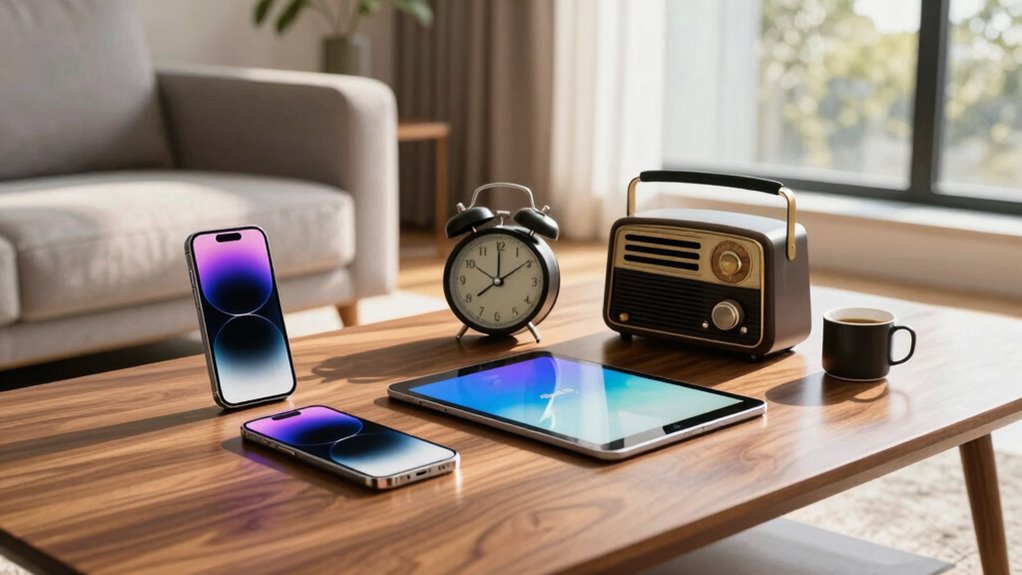
Next, think about the practicality of making a device smart. Some appliances, like thermostats or security cameras, genuinely benefit from automation and remote access. They can save you energy, enhance security, and give you peace of mind. But not every device needs to be connected. For instance, a basic alarm clock or a simple fan may not need to be smart, especially if they work well without additional features. Adding smart capabilities to every device can also clutter your space and complicate your setup, so evaluate whether the convenience outweighs the potential risks or costs. Understanding the emerging trends in digital publishing can also help you stay informed about new smart device innovations and security solutions. Additionally, considering the technology behind smart devices, such as whether they use DLP or LCD technology, can influence your decision based on image fidelity and performance. Furthermore, understanding the security protocols used by smart devices can help you make more informed choices about which ones to incorporate into your home.
Smartify only the devices that truly benefit from automation to avoid clutter and unnecessary complexity.
Another factor to consider is your comfort level with technology. If you’re tech-savvy and enjoy customizing your devices, you might be more willing to integrate a wide range of smart gadgets. Conversely, if you prefer simplicity, sticking with traditional devices might be best. It’s also worth considering the ecosystem compatibility—if you already use a particular smart home platform, sticking with compatible devices makes setup and management easier.
Ultimately, your decision hinges on balancing convenience, privacy concerns, and practicality. Smart devices can streamline your routines and add fun to your home, but they shouldn’t come at the expense of your privacy or peace of mind. Think about how often you’d use voice control and whether you’re comfortable with potential data sharing. If privacy concerns outweigh the benefits, keep certain devices traditional. Remember, not every device needs to be smart; focus on those that genuinely add value and fit your lifestyle. This approach helps you create a smart home that’s both functional and secure, tailored perfectly to your needs.
Products Worth Considering

Sonos Era 100 Wireless Smart Speaker, Black
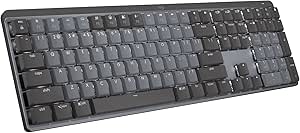
Logitech MX Mechanical Wireless Illuminated Keyboard, Tactile Quiet, Graphite

Sony WH-1000XM4C Wireless Noise-Cancelling Headphones, Black
As an affiliate, we earn on qualifying purchases.
Frequently Asked Questions
How Do Smart Devices Impact Data Privacy?
Smart devices impact your data privacy by collecting and transmitting personal information, which could be vulnerable if not protected properly. You should enable privacy settings to control what data is shared and use data encryption features to secure your information. Regularly updating device software also helps protect against security breaches. Being proactive with privacy settings and encryption allows you to enjoy smart device benefits while minimizing privacy risks.
Are There Safety Concerns With Smart Home Devices?
Yes, there are safety concerns with smart home devices. You risk device hacking, which can lead to unauthorized access to your home or personal information. Privacy breaches are also a concern, as hackers could exploit vulnerabilities to monitor your activities or steal data. To stay safe, keep devices updated, use strong passwords, and be cautious about sharing sensitive information through smart devices.
What’s the Cost Difference Between Smart and Traditional Devices?
The cost difference between smart and traditional devices varies depending on device compatibility and features. Generally, smart devices tend to be more expensive upfront due to advanced technology and connectivity features. However, they can save you money long-term by enhancing efficiency and convenience. When doing a cost comparison, consider not just the initial price but also potential savings and compatibility with your existing setup to make an informed decision.
Can Smart Devices Be Easily Integrated Into Existing Setups?
Smart devices can often be integrated smoothly if you check device compatibility first. Coincidentally, many smart products now work with popular ecosystems, making setup less complex. You might find that your existing setup aligns well with new smart tech, reducing headaches. However, some devices require more effort, especially if they need specific hubs or custom configurations. Overall, with the right planning, blending smart devices into your current setup becomes quite manageable.
How Do Smart Devices Affect Energy Consumption?
Smart devices can increase your energy consumption if not managed properly, but they also offer opportunities for better energy efficiency. They allow you to monitor and control power consumption remotely, helping you turn off devices when not in use. By optimizing settings and scheduling, you can reduce unnecessary power use, ultimately saving energy and lowering your utility bills. So, smart devices influence energy consumption both positively and negatively, depending on how you use them.
Conclusion
By now, you’ve learned how to evaluate your needs and prioritize devices that offer convenience, security, or efficiency. Remember, not everything needs to be smart—you can keep things simple and still enjoy the benefits. So, ask yourself: are the added features worth the investment and potential complexity? Ultimately, smart technology should serve you, not complicate your life. Make thoughtful choices, and your home will be both smarter and more manageable.