
TL;DR
Apple and Google are introducing new controls and filtering mechanisms for push notifications. These changes aim to balance user attention and platform interests, affecting how notifications are delivered and managed. The specifics of implementation are still emerging.
Apple and Google are implementing new measures to regulate push notifications, giving users more control and increasing platform intervention. These developments could reshape notification management across iOS and Android devices, affecting app developers and user experience alike. These developments could reshape notification management across iOS and Android devices, affecting app developers and user experience alike. For example, malicious actors may exploit notification controls for spam or malware distribution.
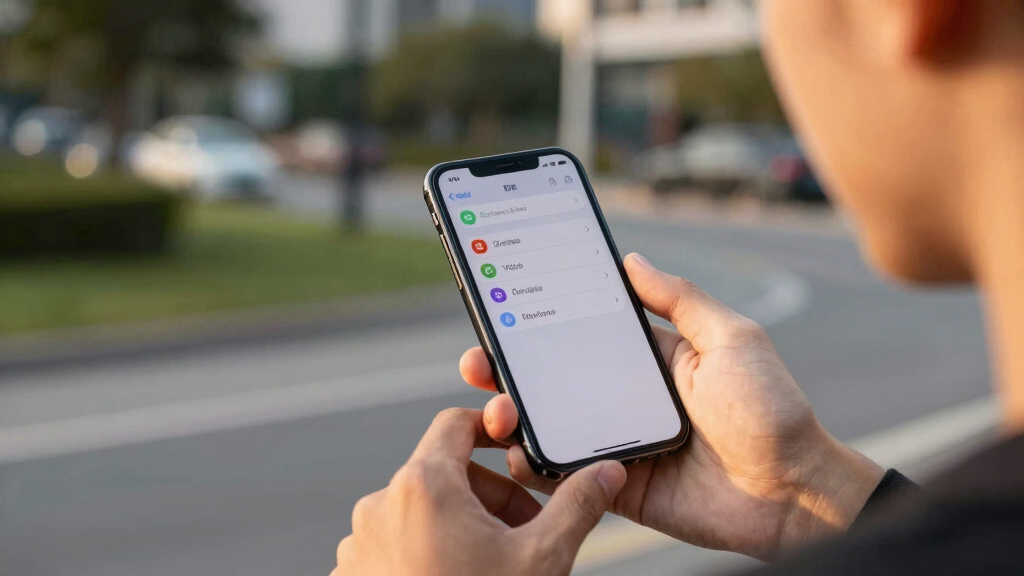
Apple introduced a new notification taxonomy in iOS 15 in September 2021, including categories like time-sensitive and critical alerts, explicitly advising against using these for marketing purposes. In August 2022, Android 13 made the POST_NOTIFICATIONS permission a runtime, requiring explicit user approval—leading to a significant drop in opt-in rates, especially among gaming and news apps. Both companies are now exploring further controls, such as enhanced filtering, prioritization, and user customization options, to better manage notification overload. While specific features are still being finalized, these changes aim to reduce unwanted interruptions and increase transparency around notification delivery.
Why It Matters
This matters because push notifications are a primary channel for user engagement, marketing, and information delivery. Increased platform control could limit spam, improve user experience, and shift the power dynamics between app developers and platform providers. However, it may also restrict certain marketing strategies and alter how apps communicate with users.

GoveeLife 2.0 WiFi Hygrometer Thermometer 3 Pack, Smart Humidity Temperature Sensor with App Notifications, Temperature Humidity for Bedroom, Wine Cellar, Basements(Only Support 2.4G Wi-Fi)
- WiFi Control: Monitor data remotely via 2.4GHz WiFi
- Multiple Sensors: Pair up to 10 sensors with app
- Long Battery Life: 2-year battery lifespan
As an affiliate, we earn on qualifying purchases.
As an affiliate, we earn on qualifying purchases.
Background
Over the past decade, both Apple and Google have gradually increased platform intervention in notifications, starting with Android’s notification channels in 2017 and Apple’s focus on interruption levels in 2021. The move to require explicit user permission on Android in 2022 significantly reduced opt-in rates, highlighting growing concerns over notification fatigue. For more on privacy and security implications, see our coverage of regulatory actions and user data protection. These developments are part of a broader trend toward platform-centric moderation of user attention, with implications for app monetization and user privacy.
“Our focus is on providing users with meaningful control over their notifications while maintaining system integrity.”
— Apple spokesperson
“Requiring explicit permission for notifications helps users make informed choices and reduces unwanted interruptions.”
— Google Android team member

Notification Blocker
- Reduces unwanted app notifications: Blocks unnecessary notifications
- Simplifies notification management: Prevents clutter and distraction
- Enhances relaxation: Less notification noise
As an affiliate, we earn on qualifying purchases.
As an affiliate, we earn on qualifying purchases.
What Remains Unclear
It is not yet clear how extensively these new controls will be rolled out across all apps or how they will interact with existing notification settings. The specific features and their impact on app developers’ ability to deliver timely messages remain under development.
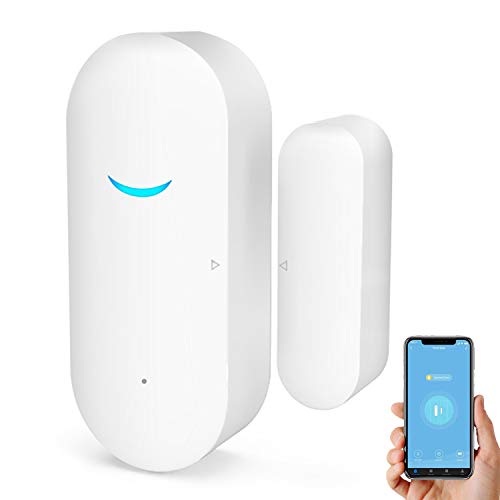
WiFi Door and Window Sensors,Tuya Smart Alarm with Free Notification APP Control Home Security Alarm System, No Hub Required,Compatible with Alexa, Google Home (1-Pack)
- Wireless WiFi Connection: Instant notifications via WiFi and mobile app
- Versatile Installation: Suitable for doors, windows, cabinets, and more
- Smart Home Compatibility: Works with Alexa and Google Home without hub
As an affiliate, we earn on qualifying purchases.
As an affiliate, we earn on qualifying purchases.
What’s Next
Both Apple and Google are expected to announce detailed implementation plans and developer tools in the coming months. Monitoring updates to iOS and Android SDKs will be crucial to understanding the full scope and impact of these changes.

ODSD Cat Water Fountain, App Monitoring Wastewater Separation & No Filter Cotton, 5000mAh Battery & Plug-in Pet Water Fountain with 101oz/3L Automatic Water Dispenser for Cats Indoor, 2.4G Wi-Fi
- Suitable for Small Animals: Designed for cats, not large dogs
- No Filter Cotton Needed: Separate water tank eliminates need for filters
- Hair and Debris Catcher: Reusable sponge traps hair and debris
As an affiliate, we earn on qualifying purchases.
As an affiliate, we earn on qualifying purchases.
Key Questions
How will these changes affect app notifications?
They will likely introduce more user controls, filtering options, and platform interventions to reduce unwanted notifications and improve relevance.
Will this limit marketing opportunities?
Potentially, as stricter controls and reduced opt-in rates may limit the volume and targeting of notifications used for marketing purposes.
Are these changes mandatory for all apps?
While some features, like Android’s runtime permission, are mandatory, the full scope of new controls is still being finalized and may vary by platform and app category.
When will these new notification controls be fully implemented?
Specific timelines are still uncertain, but both companies are expected to release detailed updates and developer tools within the next few months.
Source: Hacker News