
TL;DR
Memory costs have surged to nearly 63% of total AI chip component expenses by 2025, up from 52% in early 2024. This shift indicates increasing memory demand amid growing AI chip production, with implications for supply chain dynamics.
Memory has grown to nearly two-thirds (63%) of AI chip component costs by 2025, up from 52% in early 2024, according to recent industry analysis. This shift reflects a rising demand for memory components amid expanding AI chip manufacturing, impacting supply chain costs and pricing strategies.
Analysis conducted by Epoch estimates that the total component spend on AI chips increased from approximately $22 billion in 2024 to $52 billion in 2025. Memory (HBM) spending alone accounted for roughly $20 billion of this increase, highlighting its growing dominance in the supply chain. The share of memory costs rose from 52% to 63% over this period, while packaging costs declined from 19% to 15%, and auxiliary components decreased from 15% to 9%. The share of logic die costs remained relatively stable at around 13–14%.
This data was derived from cost estimates of chips designed by major manufacturers such as Nvidia, AMD, Google, and Amazon, factoring in quarterly production volumes. The findings suggest a significant reallocation of expenses within the AI chip manufacturing process, with memory becoming increasingly central.
Why It Matters
This development matters because the rising proportion of memory costs indicates supply chain pressures and potential bottlenecks in memory component production, which could influence AI chip pricing, availability, and technological development. As AI applications grow more complex and memory-intensive, understanding these cost dynamics is crucial for industry stakeholders and policymakers.
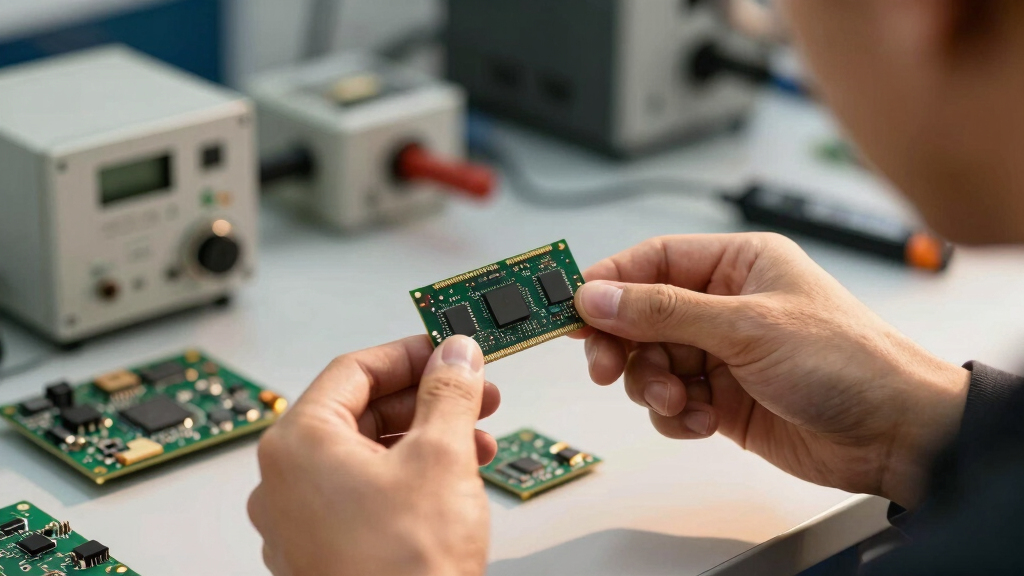
High Bandwidth Memory (HBM) modules
As an affiliate, we earn on qualifying purchases.
As an affiliate, we earn on qualifying purchases.
Background
Prior to this analysis, the industry primarily viewed logic dies and packaging as the dominant cost factors in AI chip manufacturing. However, recent data shows a substantial shift toward memory components, driven by the increasing memory requirements of advanced AI models. The trend aligns with broader industry patterns of rising demand for high-bandwidth memory (HBM) in AI applications, especially as models grow larger and more complex.
“The surge in memory costs reflects the escalating demand for high-performance memory in AI chips, which is reshaping supply chain priorities.”
— Industry analyst
“Memory’s share rising to nearly two-thirds highlights its critical role in the current AI hardware ecosystem.”
— Epoch report author
As an affiliate, we earn on qualifying purchases.
What Remains Unclear
It is not yet clear whether this trend will continue at the same pace beyond 2025 or if supply chain adjustments will mitigate cost increases. Additionally, the impact of new memory technologies or alternative supply sources remains uncertain, as does the effect on overall AI chip pricing and deployment strategies.
High-performance memory for AI servers
As an affiliate, we earn on qualifying purchases.
As an affiliate, we earn on qualifying purchases.
What’s Next
Next steps include monitoring quarterly production and cost data to see if memory’s cost share stabilizes or continues to rise. Industry stakeholders are also likely to explore supply chain diversification and technological innovations to address cost pressures.
As an affiliate, we earn on qualifying purchases.
Key Questions
Why has memory become such a large part of AI chip costs?
Memory, especially high-bandwidth memory (HBM), is critical for AI workloads that require fast data access. As AI models grow larger and more complex, the demand for high-performance memory increases, driving up its cost share.
Will this trend affect AI chip prices?
Potentially, yes. As memory costs constitute a larger portion of total expenses, increases in memory prices could lead to higher overall AI chip prices, impacting the cost structure for AI hardware deployment.
Is this shift likely to impact AI development or deployment?
It could. Higher memory costs may influence design choices, availability, and pricing of AI chips, potentially affecting the scalability and affordability of AI solutions.
What are the main drivers behind the rising memory costs?
The main drivers include increased demand for high-performance memory in AI applications, supply chain constraints, and technological advancements requiring more sophisticated memory modules.
Source: Hacker News