
TL;DR
Apple announced in iOS 27 a new Liquid Glass transparency slider, allowing users to adjust toolbar opacity. This update responds to community feedback after a year of design tweaks. Details on additional macOS changes are still emerging.
Apple has introduced a new slider in iOS 27 that allows users to customize the transparency of Liquid Glass design elements, directly addressing user feedback from the initial implementation. This feature was announced at WWDC 2026 and is now available in beta versions, marking a significant step toward user customization and improved interface clarity.
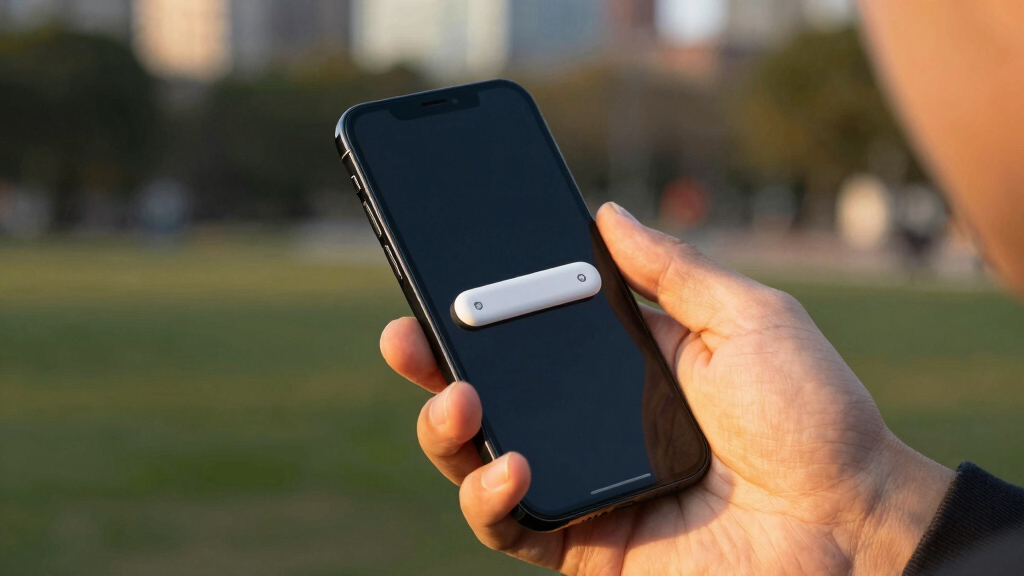
During the WWDC 2026 keynote, Apple announced that iOS 27 will include a new slider enabling users to adjust the transparency of Liquid Glass elements, such as toolbars and icons. Previously, Liquid Glass was set at a default level of transparency, which some users found too low in contrast, making text and buttons difficult to read. The slider allows users to either increase transparency for a more immersive look or reduce it to make interface elements more visible, with full opacity achievable at the slider’s maximum setting.
Alongside this, Apple confirmed that the default transparency level has been adjusted to be less transparent, improving readability out of the box. The company also showcased updates to app icons, which will now feature layered Liquid Glass effects to add depth, and all app corners will now have uniform rounded edges, regardless of developer updates. These changes aim to unify the visual experience across apps and improve overall interface consistency.
Enhanced User Control Over Liquid Glass Transparency
The addition of a transparency slider in iOS 27 addresses longstanding user complaints about the Liquid Glass aesthetic, which initially lacked customization options. By allowing users to tailor the transparency, Apple enhances accessibility and usability, especially for users who found the original design too translucent. This change demonstrates Apple’s responsiveness to community feedback and a shift toward more personalized device interfaces, potentially influencing future design standards across iOS and macOS.
iOS 27 Liquid Glass transparency slider
As an affiliate, we earn on qualifying purchases.
As an affiliate, we earn on qualifying purchases.
Evolution of Liquid Glass Design and User Feedback
Apple introduced the Liquid Design aesthetic with iOS 26, emphasizing transparency and depth in interface elements. However, many users reported that the default transparency levels compromised readability, leading to a series of incremental tweaks over the past year. Despite these adjustments, the lack of user control remained a point of contention. The recent announcement at WWDC 2026 signals a move toward greater customization, aligning with broader industry trends favoring user-adjustable UI features.
“The transparency slider in iOS 27 is a welcome change, giving users control over how much Liquid Glass they want to see. It makes the interface much more adaptable.”
— an anonymous researcher
“Apple’s updates to app icon rendering and corner rounding suggest a focus on visual consistency, which could improve overall aesthetic cohesion.”
— an anonymous researcher
customizable toolbar opacity iPhone
As an affiliate, we earn on qualifying purchases.
As an affiliate, we earn on qualifying purchases.
Details on macOS Liquid Glass Integration Still Unclear
While Apple confirmed that macOS will incorporate elements of Liquid Glass design, specific details about how the transparency adjustments will work on Mac, or whether a similar slider will be introduced, have not been disclosed. It is also unclear if additional customization options will be available for macOS interfaces in the initial release or in future updates.

17cm Cylindrical Water Cooling Light, Virus Reservoir LED Lamp with RGB Color Changing, 12V 4P Universal Interface for Computer Liquid Cooling System
- RGB Color Changing: Vibrant red, blue, green LED colors
- Deep Internal Illumination: Provides even lighting inside reservoirs
- Enhances PC Aesthetics: Adds visual flair to cooling setups
As an affiliate, we earn on qualifying purchases.
As an affiliate, we earn on qualifying purchases.
Beta Testing and Final Release Timeline for iOS 27
Apple is currently rolling out beta versions of iOS 27 with the new transparency slider enabled for testers. The final public release is expected later this year, likely alongside macOS updates. Developers and early adopters will continue refining the feature, and further details about macOS integration are anticipated in upcoming developer notes and beta releases.
iOS 27 accessibility interface tools
As an affiliate, we earn on qualifying purchases.
As an affiliate, we earn on qualifying purchases.
Key Questions
How do I access the Liquid Glass transparency slider in iOS 27?
The slider will be available in the Display & Brightness settings under the Liquid Glass customization options in iOS 27 beta versions, with a full release expected later this year.
Will the transparency slider affect all Liquid Glass elements uniformly?
Yes, the slider will adjust the transparency of all Liquid Glass elements, including toolbars, icons, and other interface components, providing a consistent look across the system.
Can I disable Liquid Glass entirely in iOS 27?
Yes, when the slider is moved to its maximum setting, Liquid Glass can be essentially disabled, making interface elements fully opaque.
Will third-party apps support the new Liquid Glass effects?
Yes, developers will be able to incorporate Liquid Glass layering effects into their apps, enhancing depth and visual cohesion across the platform.
Yes, Apple is standardizing rounded corners across all apps and layering Liquid Glass effects into app icons to add depth. Details about additional macOS visual updates are still emerging.
Source: Lifehacker