TL;DR
UC San Diego is deploying a 2,000-phone cluster made from retired smartphones to create a low-carbon cloud computing platform. This initiative aims to reduce hardware manufacturing emissions and support scalable, sustainable research applications.
Researchers at the University of California San Diego are planning to deploy a 2,000-phone computing cluster built from retired smartphones to provide low-carbon, cost-effective cloud computing for educational and research purposes.
The project involves extracting motherboards from discarded smartphones, removing unnecessary components like displays and batteries, and deploying the remaining hardware as a general-purpose computing platform. Supported by Google, the initiative aims to create a datacenter that offers hundreds of researchers and students access to cloud resources with a significantly reduced carbon footprint compared to traditional hardware.
Early experiments indicate a cluster of 20 phones can support the computational needs of a small class, with performance comparable to a single server, while a larger deployment of 2,000 phones could support hundreds of classes simultaneously. The project also serves as a testbed for assessing the reliability of consumer-grade hardware under sustained use, with full deployment expected in fall 2026.
Potential Impact of Smartphone-Based Cloud Computing
This initiative could significantly reduce the embodied carbon associated with hardware manufacturing by repurposing existing devices, thus lowering the overall environmental footprint of cloud infrastructure. It also offers a low-cost alternative for educational institutions and researchers, potentially democratizing access to scalable computing resources while advancing sustainability goals in technology.

Kaisi Professional Electronics Opening Pry Tool Repair Kit Metal Spudger
- Complete 20-Piece Repair Kit: For smartphones, tablets, laptops, and more
- Durable Stainless Steel Spudgers: Ensures long-lasting use and reliability
- Variety of Pry Tools and Tweezers: Includes nylon and steel pry tools with anti-static tweezers
As an affiliate, we earn on qualifying purchases.
As an affiliate, we earn on qualifying purchases.
Background on Smartphone Recycling and Sustainable Computing
Smartphones are replaced approximately every four years, yet many discarded devices retain functional cores capable of supporting computational tasks. Traditionally, the environmental impact of computing has been driven by both operational energy use and manufacturing emissions, with the latter being more challenging to address. The UC San Diego project builds on prior efforts to repurpose consumer electronics for sustainable computing, leveraging the fact that modern smartphones’ processing power rivals that of some servers.
Previous research has shown that replacing the Android OS with a Linux distribution and organizing devices into containerized clusters can make such hardware viable for cloud tasks. The project is part of a broader movement toward reducing the carbon footprint of digital infrastructure.
“By repurposing retired smartphones, we can create a scalable, low-carbon computing platform that supports educational and research activities at a fraction of the usual cost.”
— Research team spokesperson

Learn How to Use Linux, Ubuntu Linux 22.04 Bootable 8GB USB Flash Drive – Includes Boot Repair and Install Guide Now with USB Type C
- Storage Capacity: 8GB USB Type C OTG compatible
- Preinstalled Linux: Ubuntu Linux 22.04 on USB
- Learn Linux: Boot and load Linux without uninstalling
As an affiliate, we earn on qualifying purchases.
As an affiliate, we earn on qualifying purchases.
Uncertainties Surrounding Hardware Reliability and Scalability
It remains unclear how consumer-grade smartphone hardware will perform under continuous, large-scale use over extended periods. The reliability, energy efficiency, and maintenance requirements of such clusters are still being evaluated, and unforeseen challenges could emerge during full deployment.

SHOWPIN Precision Computer Screwdriver Kit: 122PCS Laptop Screwdriver Sets
- Complete 122-Piece Set: Includes bits, tools, and accessories for electronics repair
- Versatile Compatibility: Suitable for PCs, game consoles, drones, smartphones, tablets
- Ergonomic Handle: Non-slip design for comfortable, efficient use
As an affiliate, we earn on qualifying purchases.
As an affiliate, we earn on qualifying purchases.
Next Steps Toward Full Deployment and Broader Adoption
The UC San Diego team plans to complete the full-scale deployment of the 2,000-phone cluster in fall 2026. Following this, they will monitor system performance, reliability, and energy consumption to validate the approach. The project could serve as a model for other institutions seeking sustainable computing solutions and influence future hardware reuse policies.
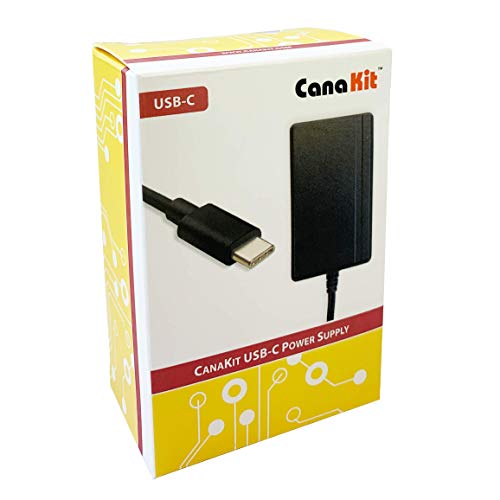
CanaKit 3.5A Raspberry Pi 4 Power Supply (USB-C)
- Power Output: 3.5A USB-C power supply for Raspberry Pi 4
- Noise Filter: Includes noise filter for stability
- Cable Type: 18 AWG cable
As an affiliate, we earn on qualifying purchases.
As an affiliate, we earn on qualifying purchases.
Key Questions
How do they remove batteries and other non-core components?
Researchers carefully disassemble smartphones to extract the motherboard, removing batteries, displays, and peripheral hardware to ensure safety and compatibility with datacenter environments.
Can this approach support high-performance computing tasks?
While suitable for many educational and research applications, the cluster’s performance may not match traditional high-end servers for intensive tasks. It is optimized for scalable, low-carbon workloads.
What are the environmental benefits compared to traditional data centers?
The project aims to significantly lower embodied carbon emissions by repurposing existing hardware, reducing the need for manufacturing new servers, and utilizing less energy-intensive consumer devices.
Will this system be commercially available or limited to research?
Currently, the project is a research pilot. Broader commercial adoption would depend on further testing, reliability assessments, and scalability evaluations.
Source: Hacker News