
TL;DR

Get the latest gadgets delivered free — and shop member deals
- Fast, free delivery on millions of items
- Access to Prime Big Deal Days deals on October 6–7
- Prime Video, Amazon Music and more included
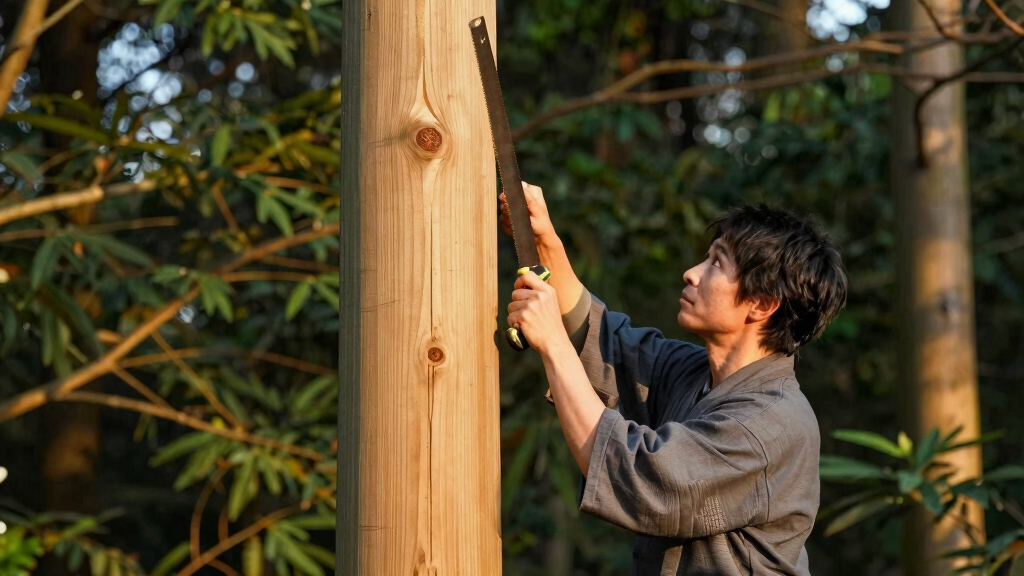
Daisugi is an ancient Japanese forestry technique developed in the 15th century to produce straight, strong timber. It involves growing trees out of existing ones, creating a bonsai-like effect that yields high-quality wood. The method remains relevant today for sustainable, precise timber production.
Daisugi, a traditional Japanese technique of cultivating trees that grow out of existing trees, has been practiced for over 600 years and remains relevant today. Confirmed by historians and forestry experts, this method produces exceptionally straight, dense timber used in architecture, especially in Kyoto’s tea houses. This technique exemplifies sustainable craftsmanship with cultural and practical significance.
Developed in Japan during the 15th century, daisugi involves training and pruning cedar trees to grow in a manner that resembles a bonsai, with multiple trees growing out of a single trunk. This method results in timber that is remarkably straight, slender, and resilient against typhoons. According to sources, the timber produced is approximately 140% as flexible as standard cedar and twice as dense and strong, making it ideal for roofing and structural uses in traditional architecture.
Historical records indicate that daisugi was driven by land shortages and resource conservation needs, particularly in Kyoto, where the demand for high-quality timber for tea houses and noble residences was high. The technique was reportedly favored by 16th-century tea masters, including Sen-no-rikyu, who demanded perfection in cedar wood for their architectural projects. Today, the method is still practiced, valued for its sustainability and the superior quality of its timber, which is used in modern and traditional construction.
Why Daisugi’s Sustainable Craftsmanship Matters Today
The daisugi technique demonstrates a sustainable approach to forestry, reducing deforestation by maximizing timber yield from existing trees. Its ability to produce straight, strong, and flexible wood aligns with modern demands for eco-friendly building materials. Additionally, daisugi reflects Japan’s cultural heritage of craftsmanship and precision, inspiring contemporary sustainable architecture and forestry practices worldwide.
Japanese cedar timber for traditional architecture
As an affiliate, we earn on qualifying purchases.
As an affiliate, we earn on qualifying purchases.
Historical Roots and Modern Recognition of Daisugi
Originating in 15th-century Japan, daisugi was developed as a response to land scarcity and resource limitations, especially in Kyoto. The technique involves pruning cedar trees to grow multiple vertical shoots from a single trunk, creating a bonsai-like effect. Historically, it was used to supply high-quality timber for tea houses and noble residences, with notable practitioners demanding perfection in wood quality. Despite its age, daisugi remains recognized today as an innovative and sustainable forestry method, appreciated for its ability to produce superior timber with minimal environmental impact.
“Daisugi is a clever solution that combines traditional craftsmanship with sustainable forestry, producing straight, dense timber that is highly valued even centuries later.”
— an anonymous researcher
sustainable cedar wood for roofing
As an affiliate, we earn on qualifying purchases.
As an affiliate, we earn on qualifying purchases.
Current Practice and Global Adoption of Daisugi
While daisugi is still practiced in Japan, it is unclear how widespread its use remains today and whether it has been adopted or adapted in other countries. Details about modern commercial applications or technological innovations related to daisugi are still emerging, and it is not yet confirmed how extensively the technique is employed outside traditional contexts.
straight dense timber for construction
As an affiliate, we earn on qualifying purchases.
As an affiliate, we earn on qualifying purchases.
Future of Daisugi in Sustainable Architecture and Forestry
Researchers and practitioners are expected to explore ways to integrate daisugi into modern sustainable forestry practices and architectural design. Further studies may focus on refining the technique, expanding its application, and promoting awareness of its environmental benefits. Additionally, cultural preservation efforts could help maintain this centuries-old tradition as a model for eco-friendly timber production.
bonsai-style cedar trees for woodworking
As an affiliate, we earn on qualifying purchases.
As an affiliate, we earn on qualifying purchases.
Key Questions
What exactly is daisugi?
Daisugi is a traditional Japanese forestry technique where trees are grown out of existing trees in a bonsai-like manner to produce straight, dense timber.
Why was daisugi developed?
It was developed in the 15th century to address resource scarcity and land limitations, providing a sustainable way to produce high-quality timber for architecture and crafts.
Is daisugi still practiced today?
Yes, it is still practiced in Japan, particularly in Kyoto, though the extent of its modern use and adoption outside Japan remains uncertain.
What makes daisugi timber special?
The timber produced is exceptionally straight, flexible, and dense, making it ideal for roofing and structural elements in traditional architecture.
Can daisugi be used in modern sustainable building?
Potentially, yes. Its environmentally friendly approach aligns with modern sustainable practices, but wider adoption and technological integration are still developing.
Source: Hacker News
Fall Picks
fall essentials
As an affiliate, we earn on qualifying purchases.