
TL;DR
A Vermont engineer has installed functional pay phones across rural communities, using VoIP gateways to connect old hardware to modern internet-based phone service. This initiative aims to provide free, reliable communication options where cell service is limited or unavailable.
In 2025, a Vermont engineer has restored and installed several vintage pay phones that operate through modern VoIP technology, providing free public calling in rural areas with limited cell coverage. This development highlights a renewed interest in old communication infrastructure for practical and cultural reasons.

Get the latest gadgets delivered free with Prime
- Fast, free delivery on millions of items
- Prime Video, Amazon Music and more included
- Member-only deals all year
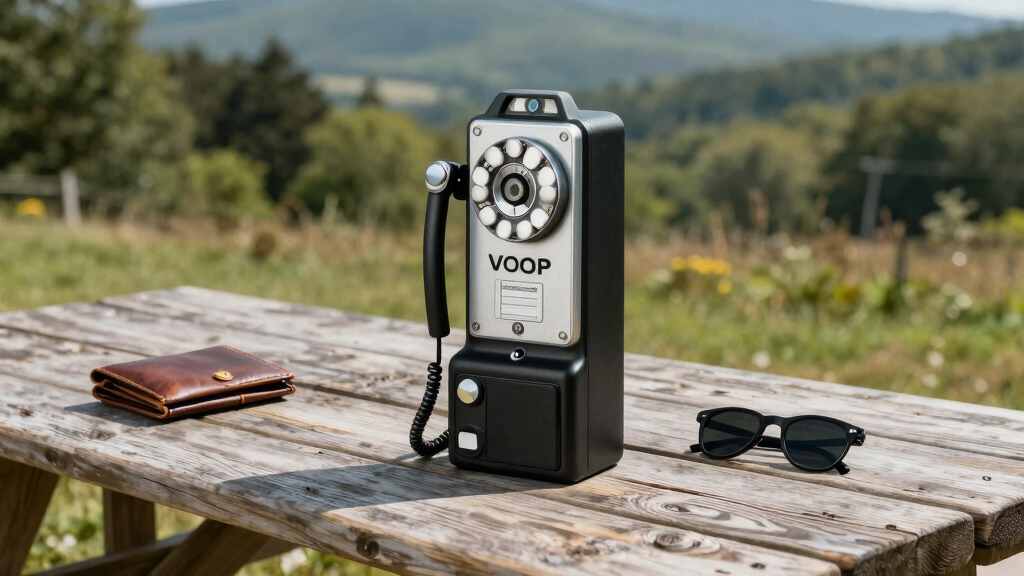
Patrick Schlott, an electrical engineer working at Beta Technologies in South Burlington, has converted old Western Electric pay phones into working devices that connect via VoIP gateways. These phones are installed in community centers, libraries, and town halls across Vermont, offering free calls within the U.S. and Canada.
Schlott’s initiative was inspired by his interest in vintage technology and projects like Futel and PhilTel. His first installation occurred in March 2024 at the North Tunbridge General Store after community interest and support from the store owner, Mike Gross. The phones are connected through analog telephone adapters (ATAs) that link traditional hardware to internet-based VoIP services, enabling calls without traditional landlines.
Why It Matters
This project demonstrates a practical reuse of vintage infrastructure to address modern connectivity issues, especially in rural Vermont where cell service can be unreliable. It also revives public access to communication tools that have largely disappeared, fostering community resilience and digital heritage preservation. The initiative may serve as a model for similar efforts in other regions facing connectivity gaps.
Products Worth Considering

Logitech MX Creative Console with 9 Customizable Keys, Graphite

DJI Mic Wireless Lavalier Microphone System with 2 Transmitters, 1 Receiver, and Charging Case

Samsung Odyssey G55C 32-Inch QHD 1000R Curved Gaming Monitor
As an affiliate, we earn on qualifying purchases.
Background
Pay phones were once ubiquitous but declined sharply with the rise of mobile phones. Vermont’s rural areas often lack reliable cell coverage, prompting local initiatives to restore public calling options. Inspired by existing projects like Futel, Schlott’s effort combines vintage hardware with modern VoIP technology to create a sustainable, free communication resource. The Vermont legislature’s upcoming ban on smartphones in schools from September 2026 further increases the relevance of public phones for youth and communities.
“I think pay phones are rugged, reliable, and have a certain charm that modern devices can’t match. Restoring them with VoIP keeps their spirit alive and functional.”
— Patrick Schlott
“Having a public phone here is helpful for people who need it, especially with cell service being spotty in the area.”
— Mike Gross, store owner
What Remains Unclear
It is not yet clear how widespread the adoption of this VoIP-based pay phone system will become in Vermont or other regions. The long-term sustainability, maintenance costs, and user engagement levels remain to be seen.
What’s Next
Schlott plans to install additional pay phones in more community locations, expand outreach, and potentially develop a public-facing app or interface to support usage. Monitoring community response and operational costs will shape future scaling efforts.
Key Questions
How do these pay phones connect to the internet?
They use analog telephone adapters (ATAs) that connect the old hardware to VoIP gateways, which route calls over internet connections.
Are these pay phones accessible for emergency calls?
Yes, each installed phone is registered with the provider for E911 services, passing location data to emergency responders.
Why restore pay phones instead of using mobile phones?
Pay phones offer a reliable, permission-free communication method, especially in areas with poor cell coverage, and have cultural and historical significance.
Will users need to pay for these calls?
No, the pay phones are set up to be free to use, funded through donations and personal investment.
Could this project be expanded beyond Vermont?
Potentially, if the model proves sustainable and community-supported, similar initiatives could be replicated in other rural or underserved areas.