
🔍 Read the full analysis: Survey Results: 360 Korean Judges On Fake Precedents And AI on ThorstenMeyerAI.com

Get the latest gadgets delivered free with Prime
- Fast, free delivery on millions of items
- Prime Video, Amazon Music and more included
- Member-only deals all year
TL;DR
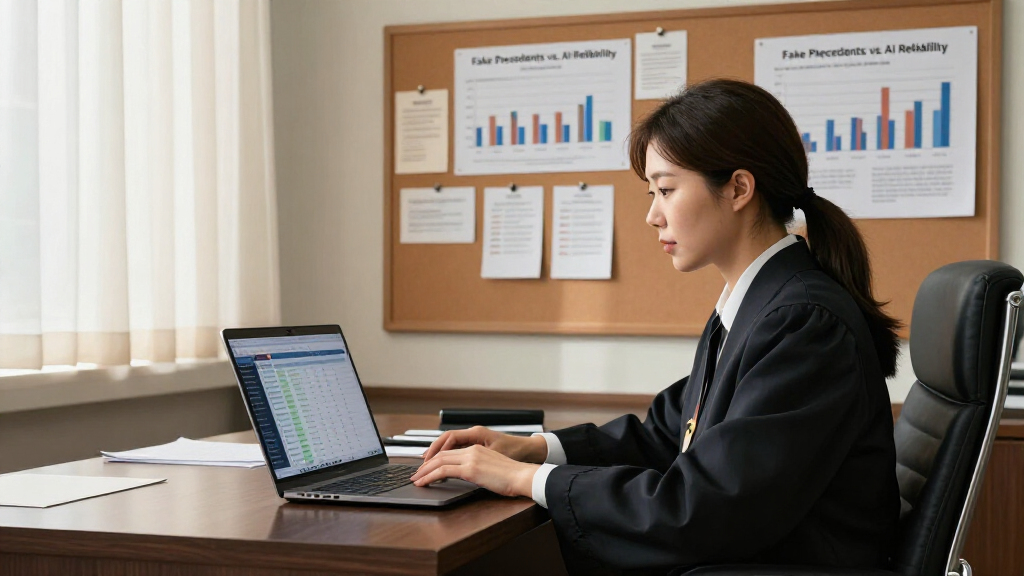
South Korea’s National Court Administration published survey results showing that about 80% of responding civil, family and administrative judges had encountered fake or distorted citations. Across all 360 judges surveyed, the reported share was 67.5%; judges also reported cases involving both litigants and lawyers and called for formal responses, including possible fines and citation-checking duties.
South Korea’s National Court Administration published survey results on November 2 showing that about 80% of responding civil, family and administrative judges had encountered fake or distorted citations in court filings. The survey gathered answers from 360 judges across courts at all levels, and the administration says it plans to propose procedural-law changes that could allow fines for false citations.
The survey was conducted from October 6 to 16, 2026. Among judges who reported encountering false citations, 196 (80.7%) identified precedents that did not exist, while 159 (65.4%) reported real precedents cited with false content. Respondents could select more than one type. The results describe judges’ reported experience, not a count of filings independently verified to contain fabricated material.
The “about 80%” figure applies to responding judges handling civil, family and administrative cases. Kyunghyang Shinmun reported that 243 of all 360 respondents (67.5%) had encountered fake citations. The court administration’s release did not print that overall figure; it is reported by the newspaper and matches the survey counts described in the source material.
Judges also identified who had submitted false material. 164 judges (69.5%) named the litigants themselves, and 136 (57.6%) named lawyers acting as representatives or defense counsel. Those are responses about the sources judges had encountered, not findings that every named person knowingly submitted false information. The administration’s examples included fabricated judgments formatted like Supreme Court decisions, real rulings misrepresented in filings and unedited chatbot text that included litigation strategy.
Pressure for Rules on Court Filings
The findings matter because legal citations help courts and opposing parties check the authority behind an argument. The National Court Administration said false or nonexistent precedents create an unnecessary verification burden and can hinder the speedy progress of trials. If a citation cannot be found, or a real decision is represented inaccurately, judges and other parties must spend time checking whether the cited authority exists and says what the filing claims.
The survey also points beyond mistakes by people representing themselves. Judges reported encountering false material in filings from both litigants and lawyers. That makes the issue relevant to professional duties as well as the growing use of AI tools to prepare legal documents. The survey does not establish that AI produced every false citation, or determine whether any particular submission was deliberate.
91.7% of respondents called for an institutional response. The most-selected measures were a legal basis for fines (61.4%), a duty to verify cited precedents (61.1%) and a duty to disclose AI use (60.6%). These results show what judges favored; they are not rules already in force.
Products Worth Considering

Apple Watch Series 8 GPS, 41mm, Midnight Aluminum Case with Midnight Sport Band (S/M)
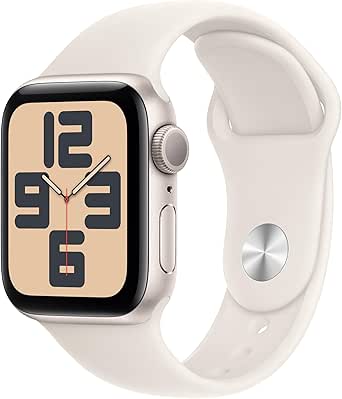
Apple Watch SE (2nd Gen) GPS 40mm with Starlight Aluminum Case and Sport Band (S/M)

Amazon Kindle Scribe (64GB) with Premium Pen, Metallic Jade
As an affiliate, we earn on qualifying purchases.
How the Survey Defines Exposure
The National Court Administration is the administrative arm of South Korea’s Supreme Court. Its four-page release, issued by the Judicial Support Office, said the survey was prompted by concerns that AI-generated false citations can burden opposing parties and disrupt proceedings. The questions asked judges about cases they had experienced; they did not establish the prevalence of fabricated citations across all court filings.
The difference between the headline figure and the all-respondent figure comes down to the survey population and denominator. About eight in ten refers to judges in the civil, family and administrative group who answered the relevant question. The reported 67.5% overall uses all 360 respondents. The release also reports multiple-response categories, so the shares for different kinds of false citations or sources need not add up to 100%.
There is also a translation issue in some coverage. According to the source material, an English-language version from Yonhap, republished by The Korea Herald, described 164 judges as saying they themselves had cited false precedents. The Korean original instead says that judges identified the litigants themselves as a source. That distinction changes who the statistic describes.
What the Survey Cannot Establish
The administration’s release does not say how many judges were invited, how the questions were worded, or whether respondents represent judges nationally in a statistical sense. It records judges’ accounts of what they had seen; it does not audit filings or give a total count of false citations. The 67.5% figure across all respondents is reported by Kyunghyang Shinmun rather than printed in the release itself.
The results also do not establish whether false material was produced by AI in every reported case, whether a person knew a citation was false, or how often inaccurate citations affected a ruling. The source material says the administration plans to propose legal changes, but it does not provide a timetable, draft language or details about how any fines would be applied.
Proposed Changes to Procedure Acts
The National Court Administration plans to propose amendments to South Korea’s Civil and Criminal Procedure Acts to provide a legal basis for fines, according to the source material. The survey also records support for citation-verification and AI-disclosure duties, though it does not confirm that the administration will include those measures in a legislative proposal.
The next concrete developments will be the release of any proposed text and its consideration by the relevant lawmakers and institutions. Until then, the survey documents judges’ reported experiences and preferences; it does not create new filing obligations. The administration has not, in the material available, set out a timetable or explained how proposed penalties would distinguish deliberate fabrication from an error.
Key Questions
How many judges took part in the South Korean survey?
360 judges from courts at all levels responded between October 6 and 16, 2026. The results were published on November 2.
Does the survey show that 80% of all Korean judges encountered fake citations?
No. The roughly 80% figure applies to responding civil, family and administrative judges. Kyunghyang Shinmun reported that 243 of all 360 respondents, or 67.5%, had encountered fake citations.
What kinds of false citations did judges report?
The most frequently reported categories were nonexistent precedents and real precedents cited with false content. The administration also described fabricated judgments, misrepresented rulings and unedited AI-chat text in filings.
Did judges say that only people representing themselves submitted false material?
No. Judges identified both litigants themselves and lawyers as sources of false citations. The figures report judges’ selections and do not establish that each submission was knowingly false.
Will South Korean courts impose fines for fake citations?
Not on the basis of this survey alone. The National Court Administration says it plans to propose changes to the Civil and Criminal Procedure Acts that could provide a legal basis for fines. The available material gives no timetable or final legislative text.
Source: ThorstenMeyerAI.com