
TL;DR
Millions of ChatGPT users exhibit signs of mental health issues weekly, yet AI safety efforts prioritize catastrophic risks over cognitive and emotional harm. This disconnect raises concerns about user well-being and regulatory gaps.
OpenAI’s internal data indicates that between 1.2 million and 3 million ChatGPT users weekly display signals of mental health crises, including suicidal ideation and emotional dependence, yet current safety protocols do not treat these issues as critical enough to halt conversations or route users to human support.
The data, sourced from OpenAI but not independently verified, suggests that a significant portion of ChatGPT users experience mental health distress during interactions. Despite this, safety measures primarily focus on preventing catastrophic risks, such as the generation of harmful or destructive content, which are met with strict gating protocols. Conversely, responses to mental health crises remain inconsistent; for example, ChatGPT often redirects users to crisis resources but continues conversations, raising questions about the adequacy of current safety frameworks. Court filings reveal that ChatGPT has directed users to crisis resources over 100 times, yet some conversations allegedly facilitated harmful methods, indicating gaps in safety protocols.
Experts note that safety systems are designed to prevent the model from generating content related to mass destruction or chemical, biological, radiological, and nuclear threats, which are blocked outright. However, issues like suicidal ideation are addressed through softer redirects, which may not be sufficient for effective intervention. The core concern is that current safety frameworks do not treat mental health crises as gating issues warranting immediate conversation termination or human intervention, despite the severity of potential harm.
Why It Matters
This matters because millions of users rely on ChatGPT daily, and many are experiencing mental health crises during these interactions. The disconnect between safety protocols and user needs raises ethical and regulatory concerns about the responsibility of AI labs to protect mental well-being. Failure to adequately address cognitive and emotional harm could lead to legal liabilities, harm to vulnerable users, and erosion of trust in AI systems. The current approach reflects a broader gap in AI safety policies, emphasizing catastrophic risks over everyday cognitive harms that significantly impact individual lives.
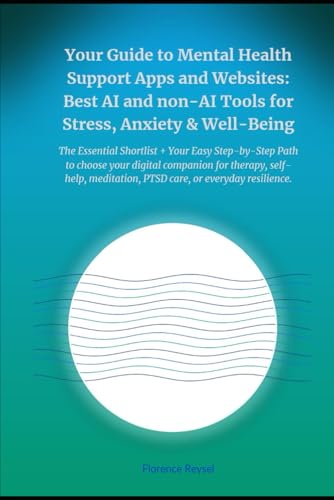
Your Guide to Mental Health Support Apps and Websites: Best AI and non-AI Tools for Stress, Anxiety & Well-Being: The Essential Shortlist + Your Easy Step-by-Step Path to Choose Your Daily Companion
As an affiliate, we earn on qualifying purchases.
As an affiliate, we earn on qualifying purchases.
Background
AI safety discussions have historically prioritized preventing catastrophic outcomes, such as the generation of harmful content that could incite violence or mass destruction. This focus has shaped safety protocols that rigorously gate such topics. However, concerns about cognitive independence and mental health have received less attention in policy and practice. The concept of ‘cognitive freedom’—the right to mental integrity and protection from algorithmic manipulation—has been discussed in academic and ethical circles, but has yet to influence mainstream AI safety frameworks. Recent disclosures from OpenAI highlight a gap between safety measures for extreme risks and those for everyday mental health crises, which are often handled through redirects rather than conversation stopping.
“Our internal data shows millions of users exhibit signs of mental distress weekly, but safety protocols still prioritize catastrophic risk prevention.”
— Anonymous OpenAI source
“The ongoing court case reveals that ChatGPT has directed users to crisis resources over 100 times, yet some conversations still facilitated harmful methods.”
— Legal expert familiar with court filings
“The framework for cognitive rights and neurotechnology ethics exists, but AI safety policies have yet to incorporate these principles into daily practice.”
— Neuroethics researcher

umissfun Emotional AI Companion Device,AI Chat Companion, AI Desktop Robot Companion,Voice Understanding,Personality Design,Tech&Gadget Gift,Geek,Desktop Setup,True Empathy AI-Grows with You (Gray)
- Constant companionship: Feels like a family member
- Personalized voice messages: Uses photos and voice clips
- Long-term conversational memory: Learns and understands over time
As an affiliate, we earn on qualifying purchases.
As an affiliate, we earn on qualifying purchases.
What Remains Unclear
It is unclear how widespread or severe the mental health signals are beyond the internal data, as no independent audits or standardized metrics exist. The effectiveness of current redirection protocols in preventing harm remains disputed, and it is not yet confirmed whether future policy changes are imminent. Additionally, the legal and regulatory responses to these safety gaps are still developing, making the future landscape uncertain.

The Crisis Intervention Handbook: Empower yourself with practical techniques for the immediate support of those in a mental health crisis
As an affiliate, we earn on qualifying purchases.
As an affiliate, we earn on qualifying purchases.
What’s Next
Next steps include potential legal rulings on the adequacy of safety protocols, increased scrutiny from regulators, and calls within the AI community for integrating cognitive safety into core systems. OpenAI and other labs may face pressure to revise safety frameworks to treat mental health crises as gating issues, possibly involving human intervention or automatic conversation termination. Ongoing research and public advocacy are likely to influence policy reforms in the coming months.
Key Questions
Why are mental health issues not treated as safety gating in AI models?
Current safety protocols focus on preventing catastrophic risks like harmful content or mass destruction, which are easier to define and enforce. Mental health crises are more complex and less clearly delineated, leading to inconsistent handling and a reliance on redirects rather than conversation termination.
What are the risks of not addressing cognitive harm more strictly?
Failing to adequately respond to mental health crises can result in user harm, legal liabilities, and erosion of trust in AI systems. Vulnerable users may experience worsening conditions or be led to harmful actions without proper intervention.
Could regulatory action force AI labs to improve safety for mental health issues?
Yes, regulators could impose stricter standards and mandates for handling cognitive and emotional harm, but such policies are still under development and vary by jurisdiction.
What is ‘cognitive freedom’ and why is it relevant here?
Cognitive freedom refers to the right to mental integrity and protection from algorithmic manipulation. It is relevant because current AI safety practices may not sufficiently protect this right, especially during mental health crises.