TL;DR

Get the latest gadgets delivered free with Prime
- Fast, free delivery on millions of items
- Prime Video, Amazon Music and more included
- Member-only deals all year
A new smartphone app uses camera-guided lighting to objectively measure tooth color, helping users track whitening progress. This innovation aims to improve at-home whitening outcomes and reduce product guesswork.
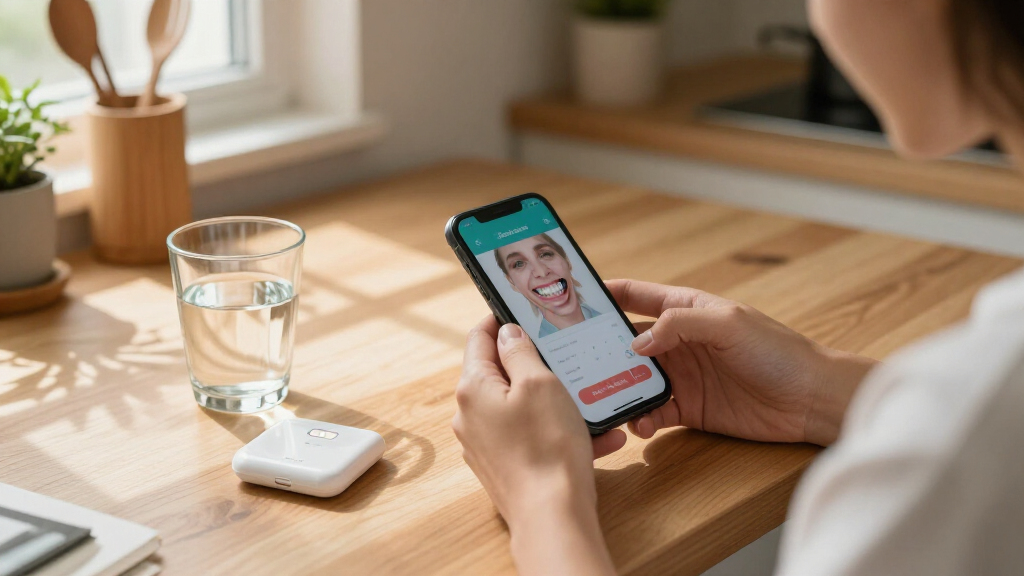
A new smartphone-based system is being tested to objectively measure tooth shade during home whitening routines. The technology uses guided lighting and camera calibration to approximate dental shade readings, a process traditionally performed by dentists. This development could significantly improve the accuracy of DIY whitening efforts, which are currently based on subjective visual assessments.
The innovation targets consumers who regularly use whitening strips, trays, or LED kits, addressing a common problem: the lack of an objective way to track progress. Currently, users rely on bathroom mirrors and personal judgment, often leading to repeated product purchases with uncertain results. The new app aims to provide a calibrated, measurable score that compares tooth color to the dental shade scale, allowing users to see which products produce actual shade improvements over time.
According to sources familiar with the project, the app employs guided-lighting within the phone’s camera flow to capture consistent, standardized images of teeth. These images are then analyzed against a reference shade scale, similar to the VITA system used by dental professionals. The app can plot shade scores over weeks, identify which products have moved the shade, and recommend effective options based on user data and comparisons with others who started at similar shades.
The developers plan to validate the app’s accuracy by benchmarking its shade scores against dentist-assessed VITA readings in a sample of fifty users. Early testing aims to establish a strong correlation between the app and professional measurements, which would support its use as a reliable at-home tool. Revenue models include subscriptions for ongoing use and affiliate links for recommended products that have demonstrated effective shade improvement.
Why Objective Shade Measurement Matters for Consumers
This new technology could transform the home teeth whitening market by providing consumers with a reliable, objective method to track their progress. Currently, many users rely solely on visual assessment, which can be inaccurate due to lighting conditions and individual perception. An objective measurement tool would enable users to make better-informed decisions about products, potentially reducing the trial-and-error process and increasing satisfaction with results.
For the industry, this innovation introduces a measurement layer that could increase consumer trust and engagement. Brands offering whitening products might incorporate the app into their offerings, creating a more data-driven, personalized experience. Additionally, the ability to track progress objectively could lead to more targeted product development and marketing strategies, ultimately fostering a more transparent and effective market.
As an affiliate, we earn on qualifying purchases.
The Evolution of DIY Teeth Whitening and Measurement Challenges
Over the past decade, the DIY teeth whitening market has grown rapidly, driven by consumer demand for affordable, convenient cosmetic solutions. Products like whitening strips, trays, and LED kits have become staples in personal oral care routines. However, a persistent challenge has been the lack of an objective way to measure whitening progress. Consumers often rely on subjective visual cues, which can be affected by lighting, mood, and individual perception, leading to inconsistent results.
Historically, professional dental shade matching has been the gold standard, using calibrated tools like the VITA scale. Replicating this process at home has been difficult due to the need for consistent lighting and calibration. Recent advances in smartphone camera technology and guided lighting have opened new possibilities for creating portable, user-friendly shade measurement tools, bridging the gap between professional and at-home assessments.
This development aligns with broader trends in consumer health tech, where smartphone apps increasingly serve as diagnostic or monitoring tools. The current focus is on validating these tools’ accuracy and integrating them seamlessly into existing product ecosystems, which is now underway with this new shade measurement app.
“Using guided-lighting and calibrated camera analysis, we aim to bring professional-grade shade measurement into the home setting, making whitening results more predictable.”
— an anonymous researcher
at-home teeth whitening kits with progress tracker
As an affiliate, we earn on qualifying purchases.
As an affiliate, we earn on qualifying purchases.
Validation and Accuracy of Phone-Camera Shade Readings
While initial plans involve benchmarking the app against professional VITA readings in a sample of fifty users, the accuracy and consistency of the technology remain to be fully validated. It is not yet confirmed how well the app’s readings will correlate with dentist assessments across diverse lighting conditions and tooth shades. Further testing and peer-reviewed validation are needed before the tool can be widely recommended.
smartphone teeth whitening measurement device
As an affiliate, we earn on qualifying purchases.
As an affiliate, we earn on qualifying purchases.
Next Steps for App Validation and Market Adoption
The development team plans to conduct clinical validation studies comparing app scores with dentist-assessed shade measurements. Pending positive results, a pilot launch is expected, followed by broader beta testing. If the technology proves reliable, commercial release could occur within the next year, potentially integrated into existing whitening product platforms. Consumer education on proper use and calibration will be key to successful adoption.
dental shade matching tools for whitening
As an affiliate, we earn on qualifying purchases.
As an affiliate, we earn on qualifying purchases.
Key Questions
How accurate is the phone-camera shade measurement compared to professional dental assessments?
Initial validation efforts aim to establish a strong correlation between the app and dentist assessments, but full accuracy data is not yet available. Validation studies are ongoing.
Will the app work on all smartphones and lighting conditions?
The app uses guided lighting and calibration features designed to standardize images across different devices, but performance may vary depending on hardware and ambient lighting. Proper use instructions will be provided.
Can this technology help me choose the most effective whitening product?
Yes, by tracking shade changes over time, the app can identify which products are producing measurable results and recommend options based on user data and comparisons with others at similar starting shades.
Is this app safe to use regularly at home?
The app involves taking photographs of teeth with guided lighting; it does not involve any invasive procedures. Users should follow instructions to avoid eye exposure and ensure consistent lighting conditions.
When will this technology be available to consumers?
Development and validation are ongoing, with a potential commercial launch within the next 12 months, depending on validation outcomes and regulatory considerations.
Source: IdeaNavigator AI
Columbus Day / Indigenous Peoples' Day Picks
long weekend sales
As an affiliate, we earn on qualifying purchases.