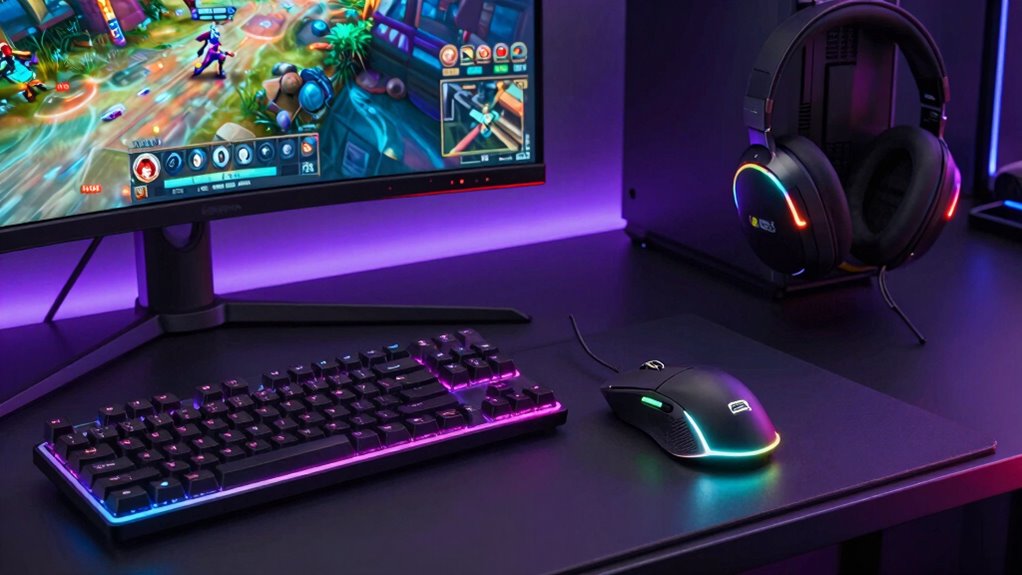

Wireless peripherals for serious gamers offer unmatched freedom, with advanced tech ensuring low latency, stable connections, and long battery life. Modern models use proprietary wireless protocols and interference mitigation, so you won’t experience delays or dropouts even in busy environments. With features like quick-charging and power management, you can game for hours without interruption. If you keep exploring, you’ll discover how to optimize your setup for peak performance and reliability.

Get the latest gadgets delivered free with Prime
- Fast, free delivery on millions of items
- Prime Video, Amazon Music and more included
- Member-only deals all year
Key Takeaways
- Modern wireless peripherals offer low latency and reliable connections suitable for competitive gaming.
- Extended battery life and quick-charging features minimize interruptions during long gaming sessions.
- Advanced wireless protocols and interference mitigation ensure stable, low-latency performance in crowded environments.
- Dedicated wireless receivers typically provide more stable connections than Bluetooth for serious gaming.
- High-quality wireless peripherals enhance freedom of movement and reduce desk clutter without sacrificing responsiveness.
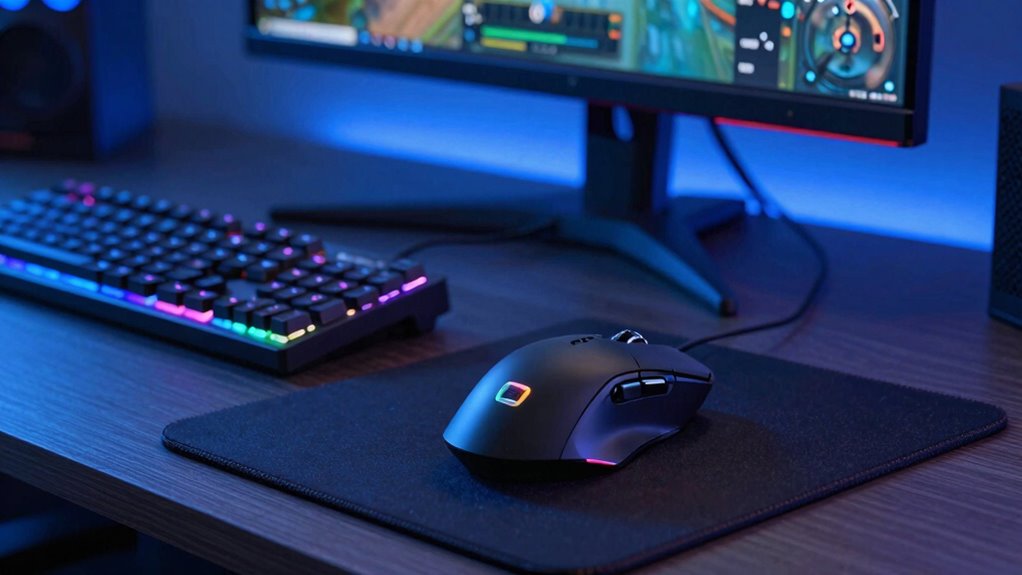
Wireless peripherals have become essential tools for gamers seeking freedom of movement and clutter-free setups. No longer do you have to be tethered to your desk, which means less cable clutter and more flexibility during intense gaming sessions. However, if you’re considering switching to wireless gear, one of your primary concerns will likely be battery life and connectivity stability. These factors can make or break your gaming experience, especially when every second counts.
Battery life is vital because you don’t want your controller or mouse to die in the middle of a critical match. Modern wireless peripherals often boast impressive battery performances, with many gaming mice offering 50 to 100 hours of use on a single charge. Some high-end models even feature quick-charging capabilities, giving you a few hours of gameplay after just a few minutes of charging. But it’s important to evaluate your usage habits. If you tend to play for long stretches, investing in peripherals with extended battery life or those that support rechargeable batteries can save you from interruptions. Keep in mind, though, that intense use, such as high polling rates and RGB lighting, can drain batteries faster, so always check the manufacturer’s specifications. Additionally, advancements in wireless technology continue to improve connection reliability, making wireless peripherals more dependable than ever. Furthermore, innovations in interference mitigation help maintain stable connections even in environments crowded with wireless devices. Staying informed about wireless standards can also help you choose peripherals that are compatible and optimized for your setup. Battery management features, such as smart power-saving modes, can also extend the usability of your device during long gaming sessions. Moreover, recent developments in low-latency protocols have significantly reduced input lag, making wireless gaming more responsive than ever.
Connectivity stability is equally important. A lag or disconnection in the middle of a game can be devastating. Reliable wireless peripherals use advanced wireless protocols like 2.4 GHz or Bluetooth, which provide low latency and stable connections. Many gaming peripherals now incorporate proprietary wireless tech designed specifically for gaming, reducing input lag to near wired levels. When shopping, look for peripherals with a strong wireless signal, especially if you have a cluttered desk with multiple devices competing for bandwidth. Interference from other wireless devices can cause connection issues, so choosing peripherals with frequency-hopping or other interference mitigation technologies can improve stability.
Additionally, some gamers prefer peripherals with a dedicated wireless receiver that connects directly to the computer, rather than relying solely on Bluetooth. These receivers tend to offer a more stable connection and lower latency. As you evaluate options, prioritize models with positive reviews about connection reliability and battery longevity. Remember, a seamless gaming experience depends heavily on these two factors working in harmony. If your wireless peripherals can deliver long-lasting battery life and unwavering connectivity stability, you’ll enjoy the freedom of wireless gaming without sacrificing performance or responsiveness.
wireless gaming mouse low latency
As an affiliate, we earn on qualifying purchases.
As an affiliate, we earn on qualifying purchases.
Frequently Asked Questions
Do Wireless Peripherals Cause More Latency Than Wired Options?
Wireless peripherals can sometimes cause more latency than wired options, but modern technology minimizes this difference. Battery longevity plays a role, as low battery levels might lead to increased latency, so keep your device charged. Interference mitigation is essential too; using high-quality wireless gear with strong signals and interference resistance guarantees your gaming remains responsive. Overall, with proper setup, wireless peripherals can perform just as well as wired ones for serious gaming.
How Long Do Wireless Gaming Peripherals Typically Last on a Single Charge?
Wireless gaming peripherals typically last anywhere from 20 to 60 hours on a single charge, depending on the device and usage. Think of the battery lifespan as a marathon, not a sprint, so you’ll want to keep an eye on it. Charging convenience is a big plus—many devices offer quick charging or long-lasting batteries, so you can stay in the game longer without constantly worrying about running out of juice.
Are Wireless Peripherals More Prone to Interference During Intense Gaming Sessions?
Wireless peripherals can be more prone to radio frequency signal interference during intense gaming sessions, especially if multiple devices operate on similar frequencies. You might notice lag or connectivity issues if there’s interference from other wireless gadgets or network congestion. To minimize this, choose peripherals with advanced RF technology, use dedicated channels, and keep other electronics away from your gaming setup, ensuring a stable connection for peak performance.
What Security Risks Are Associated With Wireless Gaming Devices?
Imagine your wireless gaming device as a secret garden—beautiful but vulnerable. You face security risks like encryption vulnerabilities, which hackers can exploit to intercept your data, and device pairing issues, where unauthorized connections might occur. To protect yourself, make certain your devices use strong encryption and re-pair them frequently. Stay vigilant, because in the game of cybersecurity, a single weak link could ruin your entire experience.
Can Wireless Peripherals Be Used Effectively for Competitive Esports Gaming?
Yes, wireless peripherals can be used effectively for competitive esports gaming. Modern designs focus on ergonomic comfort, ensuring you stay precise and comfortable during long matches. Plus, their sleek aesthetic appeal enhances your gaming setup’s look. With low latency and reliable connections, wireless devices now match wired performance, giving you the freedom to move freely without sacrificing speed or accuracy. This makes them a viable choice for serious gamers aiming for top performance.
gaming wireless controller long battery life
As an affiliate, we earn on qualifying purchases.
As an affiliate, we earn on qualifying purchases.
Conclusion
So, don’t let the myths fool you—wireless peripherals are as reliable as their wired counterparts. With advances in technology, they offer the freedom to focus solely on your game, not tangled cords. Think of wireless gear as the secret weapon in your gaming arsenal—powerful, unobtrusive, and ready to elevate your performance. The true question isn’t “wired or wireless,” but rather, are you ready to embrace the future of gaming?
wireless gaming headset with quick charge
As an affiliate, we earn on qualifying purchases.
As an affiliate, we earn on qualifying purchases.
proprietary wireless gaming receiver
As an affiliate, we earn on qualifying purchases.
As an affiliate, we earn on qualifying purchases.
Halloween Picks
halloween
As an affiliate, we earn on qualifying purchases.