
TL;DR

Get the latest gadgets delivered free with Prime
- Fast, free delivery on millions of items
- Prime Video, Amazon Music and more included
- Member-only deals all year
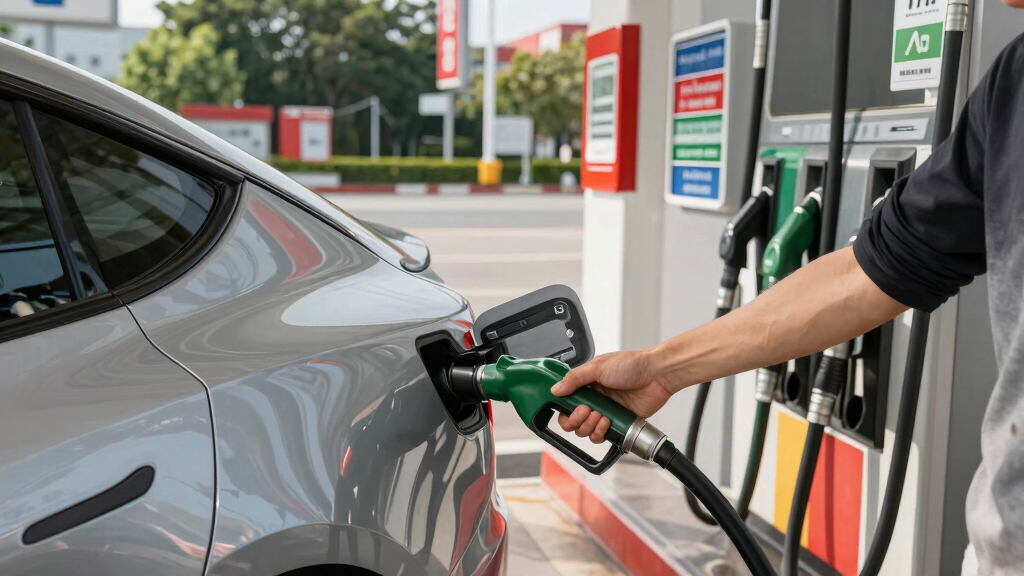
Japan’s government is considering creating a supplementary budget to mitigate soaring fuel prices caused by Middle East conflicts. The move aims to support households and industries facing increased energy costs. Final decisions are yet to be announced.
The Japanese government is actively considering the compilation of a supplementary budget for the current fiscal year to address rising fuel costs caused by disruptions in global trade stemming from conflicts in the Middle East.
According to reports from Nikkei Asia, authorities have begun internal discussions on whether to allocate additional funds through a supplementary budget, which would run through March 2026. The potential measure aims to provide economic relief amid a surge in electricity and gas bills, concerns raised by Prime Minister Sanae Takaichi and other officials.
While no final decision has been announced, sources indicate that the government recognizes the urgency of the situation, especially as fuel prices impact both households and industries. The deliberations come amid broader concerns over inflation and energy security, with officials seeking ways to cushion the economic impact of ongoing global trade disruptions.
Why It Matters
This development matters because rising fuel costs can significantly strain household budgets and increase operational expenses for businesses, potentially slowing economic growth. The move to consider a supplementary budget reflects the government’s recognition of the severity of the current energy crisis, which could influence fiscal policy and economic stability in Japan.
As an affiliate, we earn on qualifying purchases.
Background
Japan has faced increasing energy costs since late 2025, driven by disruptions in global trade due to conflicts in the Middle East. The government has previously warned about the impact of rising electricity and gas bills on the economy. Prime Minister Takaichi has publicly expressed concern over the cost-of-living crisis, prompting discussions on fiscal measures to provide relief. The possibility of a supplementary budget is part of broader efforts to stabilize the economy amid ongoing international tensions and supply chain issues.
“The government is actively assessing the need for additional measures to support households and industries facing higher fuel costs.”
— a government official familiar with the deliberations
“We are closely monitoring the situation and will take necessary steps to protect the economy and our citizens from the rising energy costs.”
— Prime Minister Sanae Takaichi
portable gas stove for emergencies
As an affiliate, we earn on qualifying purchases.
As an affiliate, we earn on qualifying purchases.
What Remains Unclear
It remains unclear whether the government will approve the supplementary budget, the size of any potential allocation, or the specific measures it will include. Details about the timing of the final decision and implementation are still emerging.
As an affiliate, we earn on qualifying purchases.
What’s Next
The government is expected to complete its deliberations by the end of May or early June, with a possible announcement of the supplementary budget proposal. Next steps include parliamentary approval and implementation of targeted relief measures, likely before the end of the fiscal year in March 2026.
As an affiliate, we earn on qualifying purchases.
Key Questions
What is a supplementary budget?
A supplementary budget is an additional funding measure enacted outside the regular budget cycle, typically used to address urgent economic issues or unexpected expenses.
How will the supplementary budget help address fuel costs?
The budget could allocate funds for direct subsidies, tax relief, or support programs aimed at reducing the burden of rising energy prices on households and industries.
When will a decision be announced?
Deliberations are ongoing, but a decision is expected by late May or early June, with potential implementation before March 2026.
Could this lead to increased government debt?
If approved, the supplementary budget would increase government spending, which could impact debt levels depending on funding sources and fiscal policy decisions.
What are the broader economic implications?
If successful, the measures could stabilize household budgets and support economic growth; however, they may also influence inflation and fiscal sustainability.
Halloween Picks
halloween
As an affiliate, we earn on qualifying purchases.