
🔍 Read the full analysis: The AI Revolution In Plumbing & HVAC: Coordinating Without Surprises on ThorstenMeyerAI.com

Get the latest gadgets delivered free — and shop member deals
- Fast, free delivery on millions of items
- Access to Prime Big Deal Days deals on October 6–7
- Prime Video, Amazon Music and more included
TL;DR
A new AI platform integrated into construction workflows is significantly improving coordination in plumbing and HVAC projects. It reduces unplanned breakthroughs, shortens leak detection times, and enhances maintenance planning, marking a major step forward in building services management.
An AI platform designed for construction coordination has been successfully deployed in plumbing and HVAC projects, leading to measurable improvements in efficiency and error reduction. This development is significant for building services companies aiming to minimize costly mistakes and delays, especially in complex residential and healthcare projects. For a detailed analysis, see the original analysis.
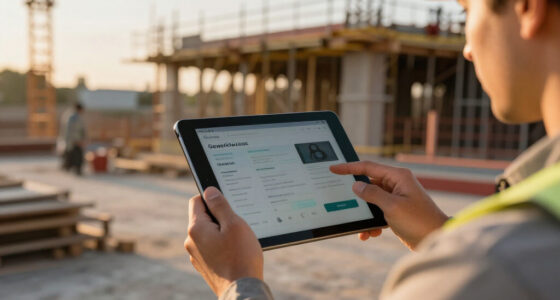
The platform, called Gewerkton, integrates AI-driven coordination, real-time documentation, and structured data management across the entire construction process. It confirms the status of breakthroughs, aligns shafts vertically, and verifies wall photos before closing walls, preventing errors that previously caused costly rework. Learn more about innovative construction coordination in this detailed report. According to Thorsten Meyer, a representative of the platform, companies like Thermowerk Riedel GmbH & Co. KG have seen uncoordinated breakthroughs drop from over 40 per project to fewer than five, and leak detection times reduced from two days to 20 minutes by accessing detailed photo archives.
Gewerkton’s cloud-based operations generate maintenance schedules and warranty data, ensuring that post-handover activities are seamlessly integrated into ongoing facility management. The platform’s deep integration into German construction standards and regional AI providers supports widespread adoption and customization. The results demonstrate that coordinated planning and digital documentation can directly impact project margins and operational efficiency, with the potential for broader industry transformation. For an in-depth overview, see the original coverage.
Implications of AI for Construction Workflow Efficiency
This development matters because it addresses longstanding issues in construction coordination, such as unplanned breakthroughs, rework, and delayed leak detection. By automating and structuring the process, the AI platform reduces errors, accelerates problem resolution, and enhances post-project maintenance. For building services firms, this translates into improved margins, better client satisfaction, and reduced operational risks. Widespread adoption could reshape industry standards, making digital coordination a baseline requirement rather than an exception.
As an affiliate, we earn on qualifying purchases.
Background on Construction Coordination Challenges
Historically, plumbing and HVAC projects have suffered from coordination issues, including unplanned breakthroughs, misaligned shafts, and incomplete documentation. These problems lead to delays, increased costs, and difficulty in maintenance after project completion. Traditional methods relied heavily on manual planning, paper plans, and on-site adjustments, often resulting in errors and rework. Recent advances in digital documentation and project management platforms have begun to mitigate these issues, but integration of AI to automate and verify coordination remains a recent development.
The Gewerkton platform, developed by Thorsten Meyer and his team, aims to close this gap by providing an AI-driven solution that links design, planning, and on-site execution in real time. Early pilot projects in Germany have demonstrated promising results, with significant reductions in uncoordinated breakthroughs and faster leak localization, indicating a potential industry-wide shift.
“We’re once again cutting holes that are planned. Sounds trivial — but it’s the difference between margin and loss.”
— Thorsten Meyer
HVAC maintenance scheduling software
As an affiliate, we earn on qualifying purchases.
As an affiliate, we earn on qualifying purchases.
Unresolved Questions About AI Integration Scalability
While initial results are promising, it remains unclear how quickly and extensively this AI platform can be adopted across different regions and project types. Questions about integration with existing legacy systems, training requirements for staff, and long-term reliability are still being addressed. Additionally, the impact on industry standards and regulatory acceptance has yet to be fully determined.
Construction project management software
As an affiliate, we earn on qualifying purchases.
As an affiliate, we earn on qualifying purchases.
Next Steps for Broader Adoption and Validation
The focus will now be on expanding pilot projects to other regions and building types, collecting comprehensive data on long-term benefits, and refining AI algorithms for even greater accuracy. Industry stakeholders will monitor these developments to assess whether digital coordination becomes a standard practice. Regulatory bodies and industry associations may also evaluate the platform for certification and compliance, paving the way for wider deployment.
Plumbing and HVAC digital documentation tools
As an affiliate, we earn on qualifying purchases.
As an affiliate, we earn on qualifying purchases.
Key Questions
How does the AI platform improve coordination in plumbing and HVAC projects?
The platform automates the verification of breakthrough requests, aligns shafts vertically, verifies wall photos before closing, and generates structured data for maintenance, reducing errors and rework.
What measurable benefits have been observed so far?
Companies report reducing uncoordinated breakthroughs from over 40 to fewer than five per project and cutting leak detection times from two days to 20 minutes.
Is this technology ready for widespread industry adoption?
While initial pilot results are promising, broader adoption depends on addressing integration challenges, training needs, and regulatory acceptance. The industry is watching these developments closely.
What are potential barriers to implementation?
Barriers include compatibility with legacy systems, staff training requirements, and ensuring reliable AI performance across diverse project conditions.
How might this AI platform impact future construction standards?
If proven effective at scale, it could set new benchmarks for digital coordination, making AI-driven planning a standard industry practice and influencing regulatory guidelines.
Source: ThorstenMeyerAI.com
Fall Picks
fall essentials
As an affiliate, we earn on qualifying purchases.