TL;DR
Listen free for 30 days with Audible
Thousands of audiobooks and originals — cancel anytime.
As an affiliate, we earn on qualifying purchases.
Tesla has disclosed detailed specs for the Cybercab through an EPA filing, confirming key technical features. However, questions about pricing, autonomy, and market strategy are still unresolved, leaving many uncertainties for potential buyers and industry watchers.
Tesla has publicly released detailed specifications for its upcoming two-seat electric vehicle, the Cybercab, via an EPA filing, confirming key technical features but leaving many strategic questions unanswered.
The EPA document reveals that the Cybercab features a 326-volt, 146 Ah battery system, estimated at around 50 kWh of energy storage, and is powered by a 163 kW (219 hp) front-mounted AC permanent magnet motor. The vehicle has a curb weight of approximately 3,113 pounds and a gross vehicle weight rating of 3,730 pounds.
According to the filing, the Cybercab achieves an EPA-estimated range of 418 miles, which is likely around 300 miles or less in real-world conditions, given typical efficiency estimates. The vehicle’s efficiency is noted at 165 Wh/m, emphasizing its high energy efficiency for its size and purpose. The specifications confirm that the Cybercab is designed exclusively as a two-seat vehicle, emphasizing urban mobility and ride-hailing applications.
While these technical details provide a clearer picture of the vehicle’s capabilities, several key questions remain, including its pricing, production plans, autonomy levels, and how Tesla intends to deploy or sell the vehicle to consumers or fleet operators.
Implications for Tesla’s Market Strategy and Urban Mobility
The release of the Cybercab specifications marks a significant step in Tesla’s expansion into small, urban-focused electric vehicles. Its high range and efficiency suggest potential for both consumer and fleet use, possibly revolutionizing city transportation. However, unresolved questions about pricing, autonomy, and sales strategy mean its ultimate market impact remains uncertain. If Tesla offers the vehicle at a competitive price and with full autonomy, it could reshape urban mobility and robo-taxi operations; if not, it may face limited adoption. The vehicle’s success will depend on how Tesla addresses these strategic uncertainties and whether it can meet market expectations for affordability and safety.
As an affiliate, we earn on qualifying purchases.
Background and Previous Tesla Announcements on the Cybercab
The Cybercab was first hinted at as part of Tesla’s broader vision for affordable, urban electric mobility, with early speculation suggesting a compact, two-seat design aimed at city dwellers and ride-hailing services. Unlike Tesla’s larger vehicles like the Model S or Cybertruck, the Cybercab’s focus on efficiency and affordability has garnered attention. Prior to the EPA filing, Tesla had not officially disclosed detailed specs, fueling industry speculation about its capabilities and market positioning. The vehicle’s development aligns with Tesla’s broader strategy to diversify its product lineup and expand its presence in urban transportation markets.
Previous leaks and rumors suggested a vehicle optimized for autonomous operation, possibly without traditional controls, but these claims remain unconfirmed. The EPA filing now provides concrete technical data, but strategic questions about its commercial rollout are still open.
“The EPA filing confirms the Cybercab’s technical specs, but many strategic questions about its market deployment remain unanswered.”
— an anonymous researcher
As an affiliate, we earn on qualifying purchases.
Key Unknowns About Tesla’s Cybercab Deployment and Market Strategy
It is not yet clear whether Tesla will sell the Cybercab directly to consumers at a price below $30,000, or if it will primarily be used in Tesla’s robotaxi fleet. Details about the vehicle’s autonomy level, safety features, and whether it will start without steering wheels and pedals remain undisclosed. Additionally, the scale and timeline of deployment—whether Tesla plans to launch the vehicle in select markets or globally—are still unknown. The company’s strategic intentions regarding its market approach and the vehicle’s actual consumer appeal are also yet to be clarified.
As an affiliate, we earn on qualifying purchases.
Next Steps for Tesla and the Cybercab Rollout
Tesla is expected to provide further details on the Cybercab’s pricing, autonomy capabilities, and sales strategy in the coming months. Regulatory approvals, safety testing, and pilot programs will likely be the immediate focus before any large-scale deployment. Industry analysts will be watching for Tesla’s official announcements regarding whether the vehicle will be sold to individual customers or operated solely within Tesla’s fleet. Additionally, upcoming Tesla events or investor presentations may shed light on the company’s broader plans for this vehicle.
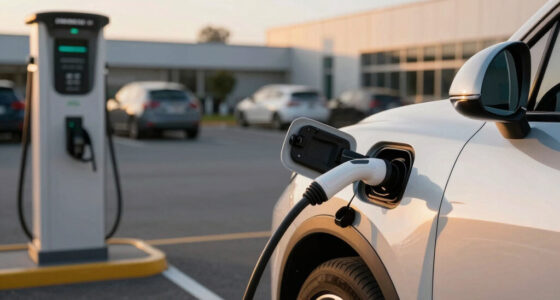
electric vehicle charging station
As an affiliate, we earn on qualifying purchases.
As an affiliate, we earn on qualifying purchases.
Key Questions
Will Tesla sell the Cybercab to individual consumers?
It is not yet confirmed whether Tesla will offer the Cybercab directly to consumers or focus on fleet and robotaxi applications. Further announcements are expected.
What is the expected price of the Cybercab?
There is no official confirmation, but speculation suggests Tesla aims for a price below $30,000, making it an affordable urban mobility option.
Will the Cybercab be fully autonomous?
While the EPA filing does not specify autonomy levels, Tesla has previously indicated plans for high levels of automation. Official details are still pending.
When will the Cybercab be available for purchase?
Tesla has not announced a specific release date. Market rollout is likely to depend on regulatory approvals and testing outcomes.
Could the Cybercab replace traditional taxis or personal vehicles?
The vehicle’s design and specifications suggest it could serve as a city-focused ride-hailing vehicle, but its success will depend on pricing, safety, and consumer acceptance.
Source: CleanTechnica
Flea & tick season Picks
flea and tick prevention
As an affiliate, we earn on qualifying purchases.