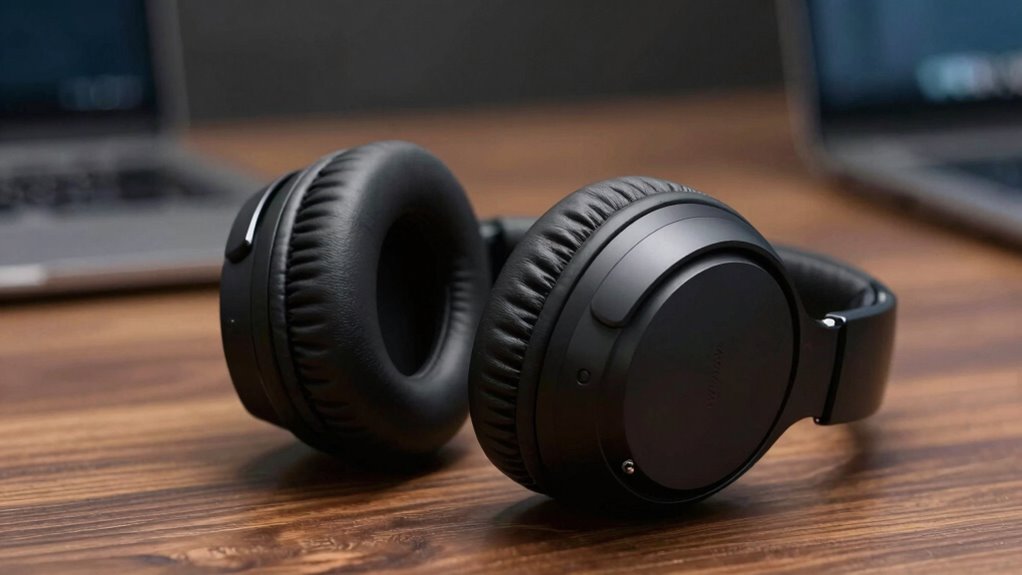

Premium noise-cancelling headphones cost more because they include advanced wireless tech, multiple antennas, and complex encoding that guarantee a seamless, high-quality connection. They use high-end materials and involve detailed craftsmanship, which boost manufacturing costs. The technology behind active noise cancellation, high-fidelity drivers, and smart features like auto-pause also requires significant R&D and sophisticated components. If you want to understand what makes these headphones so expensive and worthwhile, keep exploring what goes into their design and engineering.

Get the latest gadgets delivered free — and shop member deals
- Fast, free delivery on millions of items
- Access to Prime Big Deal Days deals on October 6–7
- Prime Video, Amazon Music and more included
Key Takeaways
- Advanced wireless technology and multiple antennas increase manufacturing complexity and costs.
- High-capacity batteries and sophisticated power management systems extend usage time and add expense.
- Premium materials and complex assembly processes enhance durability and user comfort, raising production costs.
- Active noise cancellation requires multiple microphones and digital signal processing, increasing hardware and calibration expenses.
- High-fidelity drivers and smart features demand significant R&D investment, raising overall price.
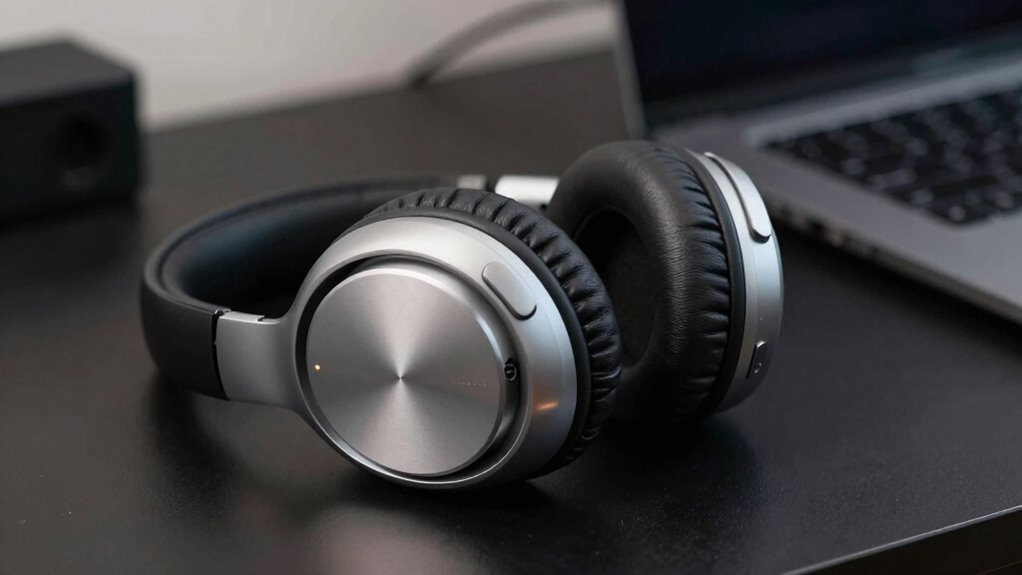
Have you ever wondered why premium noise-canceling headphones come with a hefty price tag? The answer lies in the sophisticated technology packed into these devices, which go far beyond basic audio playback. First, consider wireless connectivity. High-end headphones rely on advanced Bluetooth or proprietary wireless protocols to deliver seamless, stable connections with your devices. These protocols often include multiple antennas and complex encoding to reduce latency, prevent dropouts, and ensure crisp sound quality—features that demand significant engineering and component costs. The more reliable and versatile the wireless connection, the more the manufacturer invests in quality hardware and software, which naturally raises the price.
High-end headphones use advanced wireless protocols, multiple antennas, and complex encoding to ensure seamless, high-quality connections.
Battery life is another critical factor that guarantees up costs. Premium headphones aren’t just about delivering excellent sound; they also need to sustain long listening sessions without frequent recharging. To achieve this, manufacturers incorporate high-capacity batteries and optimize power management systems. These batteries are often lithium-ion or lithium-polymer, which are more expensive but provide the longevity users expect from high-end models. Longer battery life means more complex circuitry, larger batteries, and better thermal management, all of which increase manufacturing costs. Plus, many premium headphones include quick-charging features, adaptive noise cancellation that adjusts in real-time, and additional functionalities that consume more power but enhance user experience—adding to the price. Additionally, power management systems are crucial for balancing performance with battery longevity, requiring advanced engineering. Incorporating thermal management solutions also adds to manufacturing complexity and costs, ensuring the device operates efficiently without overheating. Moreover, the integration of smart sensors for features like auto-pause and touch controls further raises production expenses.
Beyond wireless connectivity and battery life, the materials used for premium headphones contribute heavily to their cost. High-quality plastics, metals, and earcup padding made from premium materials provide durability and comfort but come at a higher price. The craftsmanship involved in assembling these devices also adds up, especially when features like active noise cancellation (ANC) are integrated. ANC systems require multiple microphones, digital signal processors, and sophisticated algorithms to analyze and cancel ambient noise effectively. This complex hardware and software combination demands significant R&D investment and adds to the overall manufacturing cost. Additionally, sound quality is a priority for premium headphones, which means investing in high-fidelity drivers and acoustic engineering to deliver rich, detailed audio that justifies the higher price point. Furthermore, incorporating advanced noise cancellation technology involves precise calibration and testing, which further elevates production costs.
premium noise cancelling headphones
As an affiliate, we earn on qualifying purchases.
As an affiliate, we earn on qualifying purchases.
Frequently Asked Questions
How Long Do Premium Noise Cancelling Headphones Typically Last?
Premium noise cancelling headphones typically last around 3 to 5 years, depending on your usage and care. Battery longevity plays a key role; high-quality models often offer 20-30 hours of playback on a single charge. Material durability also matters—robust builds with premium materials tend to withstand daily wear and tear longer. Regular maintenance and proper storage can extend their lifespan, ensuring you enjoy clear sound and effective noise cancellation for years.
Are There Brand-Specific Features Influencing Price Differences?
Brand-specific features considerably influence price differences. You’ll notice that brands with strong reputations, like Bose or Sony, often charge more because of their proven quality and innovative technology. Exclusive collaborations with designers or artists also drive up costs, as they add unique features or designs that appeal to enthusiasts. These factors enhance the product’s appeal and exclusivity, making premium headphones a higher investment for consumers seeking top-tier sound, comfort, and brand prestige.
Do Higher Prices Guarantee Better Sound Quality?
Did you know that only 20% of premium headphones deliver noticeably better sound quality? Higher prices don’t guarantee better sound quality, as the price correlation isn’t always direct. While premium models often have advanced features, personal preference plays a big role. You might find affordable headphones that outperform expensive ones in sound quality. So, don’t assume cost equals quality—test different options to find what truly sounds best to you.
How Often Should I Replace Premium Headphones?
You should replace your premium headphones when their battery life substantially diminishes or if they no longer provide the comfort level you need. Typically, high-quality headphones last around 3-5 years with proper care, but batteries may degrade sooner, affecting performance. If you notice reduced sound quality, shorter battery life, or discomfort during use, it’s time to contemplate replacing them to enjoy ideal noise cancellation and audio experience.
Can Software Updates Improve Noise Cancelling Performance?
Did you know that over 60% of headphone users notice improved sound quality after updates? Yes, software updates can substantially boost noise cancelling performance through software optimization and firmware enhancements. These updates refine how microphones and processors work, reducing ambient noise more effectively. By regularly updating your headphones’ firmware, you guarantee they adapt to new noise environments and maintain excellent noise cancellation, giving you a better listening experience every time.
high-end wireless headphones with active noise cancellation
As an affiliate, we earn on qualifying purchases.
As an affiliate, we earn on qualifying purchases.
Conclusion
So, when you consider the advanced technology, superior materials, and meticulous craftsmanship behind premium noise-cancelling headphones, it’s clear why they come with a higher price tag. You’re investing not just in sound, but in durability, comfort, and an enhanced listening experience. It’s about quality, innovation, and reliability—all working together to elevate your audio journey. Ultimately, you’re paying for more than just headphones; you’re paying for excellence, exclusivity, and the promise of unmatched silence.
best high-fidelity Bluetooth headphones
As an affiliate, we earn on qualifying purchases.
As an affiliate, we earn on qualifying purchases.
luxury noise cancelling headphones with long battery life
As an affiliate, we earn on qualifying purchases.
As an affiliate, we earn on qualifying purchases.
Halloween Picks
halloween
As an affiliate, we earn on qualifying purchases.

![Rails World 2026 Opening Keynote [Video]](https://techtrendtrove.com/wp-content/uploads/2026/09/rails-world-2026-opening-keynote-video-featured-560x300.jpg)