
TL;DR

Get the latest gadgets delivered free with Prime
- Fast, free delivery on millions of items
- Prime Video, Amazon Music and more included
- Member-only deals all year
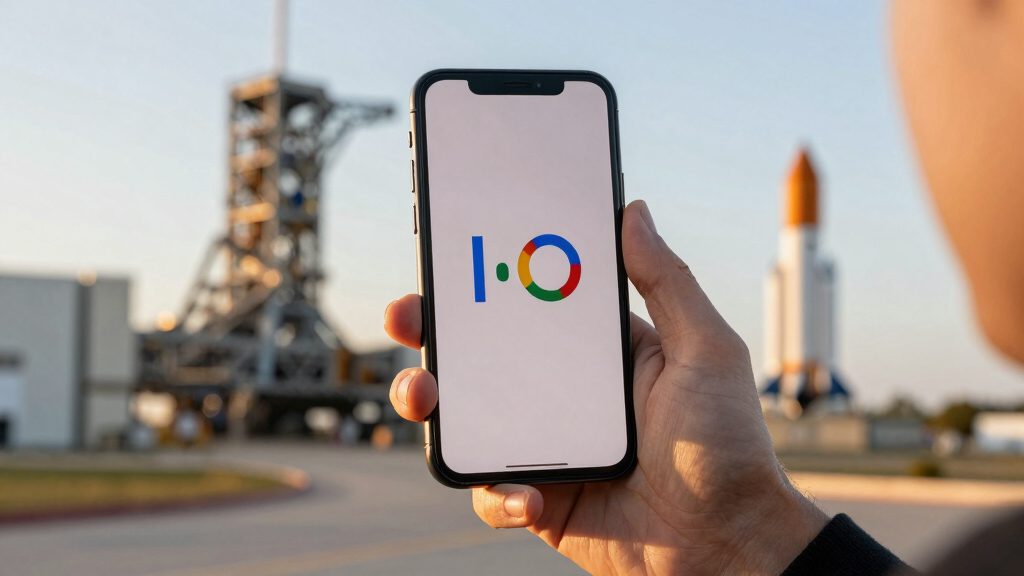
A major SpaceX launch took place this week, alongside the opening of Google I/O, making it one of the most impactful weeks in recent tech news. These events showcase advancements in space and AI technology, drawing global attention.
SpaceX successfully launched a new batch of Starlink satellites, and Google I/O opened with major announcements, marking a high-impact week in the technology sector.
On Tuesday, SpaceX conducted a successful launch of its latest Starlink mission from Cape Canaveral, deploying over 50 satellites aimed at expanding global internet coverage. The launch, confirmed by SpaceX officials, signifies a key step in the company’s ongoing satellite constellation project. Meanwhile, Google I/O, the company’s annual developer conference, began on Wednesday, unveiling new AI tools, hardware updates, and software features, with official statements highlighting a focus on AI and cloud computing advancements.
SpaceX’s launch was confirmed by the company’s CEO Elon Musk, who tweeted details about the satellite deployment. The event was watched closely by industry analysts, as it underpins the company’s ambitions to provide worldwide internet access. Google I/O’s keynote featured product reveals from Sundar Pichai, including updates to Bard, Android, and new AI integrations across Google services, according to official Google statements.
Why It Matters
This week’s events are significant because they demonstrate rapid advancements in space technology and artificial intelligence, both of which could reshape global communications and digital ecosystems. SpaceX’s satellite deployment enhances global internet coverage, especially in underserved regions, while Google’s AI innovations could influence the future of search, productivity tools, and cloud services. These developments highlight ongoing technological competition and innovation at a global scale, impacting consumers, businesses, and policymakers.
As an affiliate, we earn on qualifying purchases.
Background
SpaceX has been steadily expanding its Starlink constellation since 2019, with recent launches aiming to improve coverage and capacity. The company’s goal is to provide low-cost, high-speed internet worldwide, especially in remote areas. Google I/O has traditionally been a platform for major product launches, with this year emphasizing AI capabilities following the rise of ChatGPT and similar technologies. Previous Google events have set the stage for widespread adoption of new tools, and this year’s conference continues that trend.
“Today’s Starlink launch marks a significant milestone in our mission to connect the world.”
— Elon Musk
“We are excited to introduce new AI features that will make our products more helpful and intuitive.”
— Sundar Pichai
As an affiliate, we earn on qualifying purchases.
What Remains Unclear
It is not yet clear how quickly the newly launched Starlink satellites will become fully operational or how the market will respond to Google’s latest AI features. Additionally, the long-term impact of these developments remains to be seen, as regulatory and technical challenges could influence outcomes.
As an affiliate, we earn on qualifying purchases.
What’s Next
Next steps include SpaceX’s monitoring of the satellite constellation’s deployment and operational testing, expected to conclude in the coming months. For Google, the rollout of new AI features will begin gradually, with broader availability expected later this year. Industry analysts will closely watch how these innovations influence market dynamics and regulatory discussions.
As an affiliate, we earn on qualifying purchases.
Key Questions
What was the main purpose of SpaceX’s recent launch?
SpaceX launched over 50 Starlink satellites to expand and improve its global internet coverage.
What new features did Google announce at I/O?
Google announced new AI tools, updates to Bard, Android, and enhanced integrations across its cloud services.
Why is this week considered a big moment in tech?
Because it features significant advancements in space technology and artificial intelligence, with potential impacts on global connectivity and digital services.
When will the new satellite constellation be fully operational?
It is expected to take several months for the satellites to become fully operational, with ongoing testing and deployment.
What are the potential challenges ahead for these developments?
Regulatory approvals, technical integration, and market adoption are potential hurdles that could influence the success of both SpaceX’s satellites and Google’s AI tools.
Halloween Picks
halloween
As an affiliate, we earn on qualifying purchases.