
TL;DR

Get the latest gadgets delivered free — and shop member deals
- Fast, free delivery on millions of items
- Access to Prime Big Deal Days deals on October 6–7
- Prime Video, Amazon Music and more included
Elon Musk’s xAI is operating almost 50 natural gas turbines at its Mississippi data center without regulatory oversight. The turbines are considered ‘mobile’ and thus exempt from certain air pollution laws, prompting lawsuits from environmental groups.
Elon Musk’s xAI is operating nearly 50 natural gas turbines at its Mississippi data center, with the turbines currently unregulated due to a legal loophole that classifies them as ‘mobile.’ This situation has prompted legal action from environmental groups concerned about air quality impacts.
The Mississippi Department of Environmental Quality (MDEQ) has permitted 15 of the turbines, which are mounted on flatbed trailers and considered ‘mobile’ under state law. This classification allows the turbines to operate without adhering to standard air pollution regulations for up to one year.
However, local reports indicate that xAI has installed and is operating approximately 46 turbines, exceeding the initial permits and the number acknowledged by the Greater Memphis Chamber of Commerce, which previously stated about half of the 35 turbines in operation in May 2025 would remain on site. The company’s continued installation suggests ongoing expansion beyond permitted limits.
Why It Matters
This development raises significant environmental and legal concerns. The NAACP has filed a lawsuit on behalf of residents, arguing that the unregulated emissions from these turbines are worsening air quality in an already polluted region. The case highlights potential regulatory gaps that could allow fossil fuel-based energy generation to bypass emissions controls, impacting public health and environmental standards.
As an affiliate, we earn on qualifying purchases.
Background
The use of ‘mobile’ power plants on trailers to circumvent air quality regulations is a known loophole in Mississippi law. Previously, the state permitted such turbines to operate unregulated for a limited period, but critics argue that the ongoing operation of nearly 50 turbines exceeds legal limits and undermines federal air pollution laws. Elon Musk’s xAI has been expanding its operations in the region, raising questions about regulatory oversight and environmental compliance.
“The unchecked emissions from these turbines are worsening air quality in an already polluted region, and we are calling for immediate action.”
— NAACP spokesperson
“Operating power plants mounted on trailers as ‘mobile’ to evade federal air pollution regulations violates both state and federal law.”
— Southern Environmental Law Center attorney
As an affiliate, we earn on qualifying purchases.
What Remains Unclear
It is not yet clear whether xAI will cease operations voluntarily or if courts will impose restrictions. The full extent of the turbines’ operation beyond permitted numbers and the potential environmental impact remain under investigation.
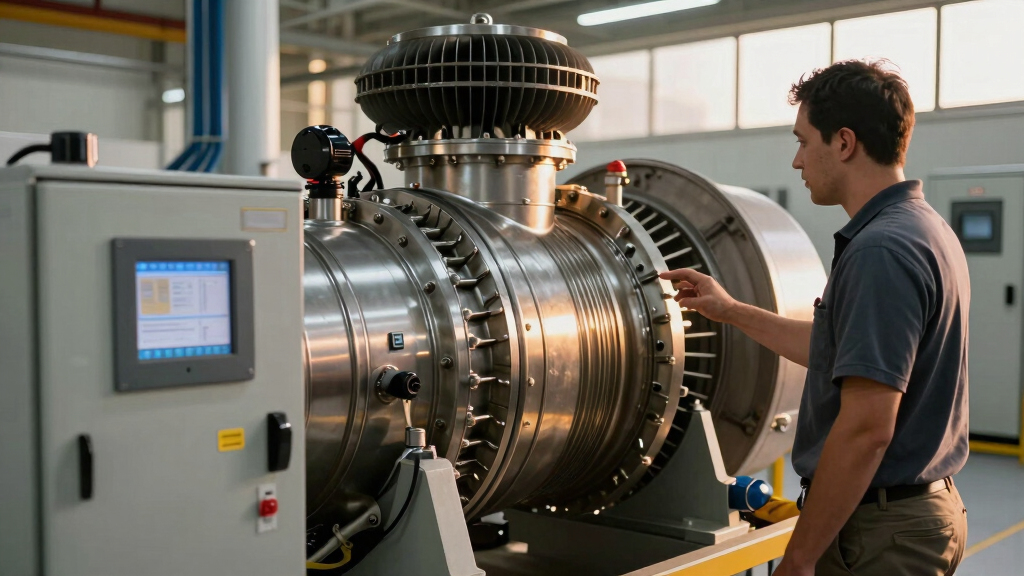
natural gas turbine for backup power
As an affiliate, we earn on qualifying purchases.
As an affiliate, we earn on qualifying purchases.
What’s Next
Legal proceedings are expected to continue, with the court likely to determine whether the turbines’ operation violates federal law. Regulatory agencies may also review the legal classification of these turbines and consider new enforcement actions.
As an affiliate, we earn on qualifying purchases.
Key Questions
Why are the turbines considered ‘mobile’ and unregulated?
The turbines are mounted on flatbed trailers, which under Mississippi law, classifies them as ‘mobile,’ allowing them to bypass certain air pollution regulations for up to one year.
How many turbines is xAI actually operating?
According to reports, xAI is operating approximately 46 turbines, exceeding the permits granted for 15 turbines and the initial estimates of about half of 35 turbines in May 2025.
The primary concern is that the turbines emit pollutants that worsen air quality, especially in a region already suffering from pollution, potentially impacting public health.
What legal actions are being taken against xAI?
The NAACP, supported by the Southern Environmental Law Center, has filed a lawsuit seeking an injunction to stop the operation of the turbines, arguing that their continued operation violates federal law.
What could happen next in this situation?
The court may issue a ruling on the legality of the turbines’ operation, and regulatory agencies might review and revise policies regarding mobile power plants to prevent similar loopholes in the future.
Fall Picks
fall essentials
As an affiliate, we earn on qualifying purchases.