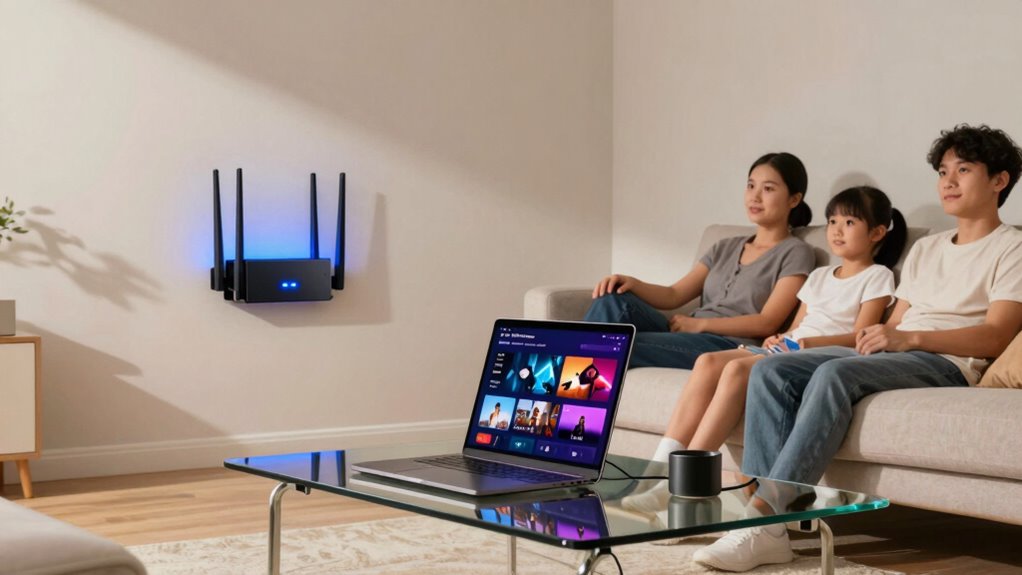

Gigabit internet offers faster speeds and can improve your online experience, but whether it’s worth it depends on your household’s current usage and device setup. If you mainly browse, stream, or work from home, your current connection might be enough. Upgrading can future-proof your household and handle more devices, but it might come with higher costs and hardware upgrades. To decide if it’s right for you, consider your needs now and what might grow later—more details await you.

Get the latest gadgets delivered free — and shop member deals
- Fast, free delivery on millions of items
- Access to Prime Big Deal Days deals on October 6–7
- Prime Video, Amazon Music and more included
Key Takeaways
- Gigabit internet offers faster speeds but may not significantly benefit households with light or moderate online activity.
- Upgrading requires compatible devices and possibly hardware upgrades to realize full speed benefits.
- Costs include higher installation fees and potential increased monthly plans, which should be weighed against actual needs.
- Future-proofing is a consideration if household usage is expected to grow with more devices and streaming demands.
- For most average households, the value of gigabit internet depends on cost, current usage, and device readiness.
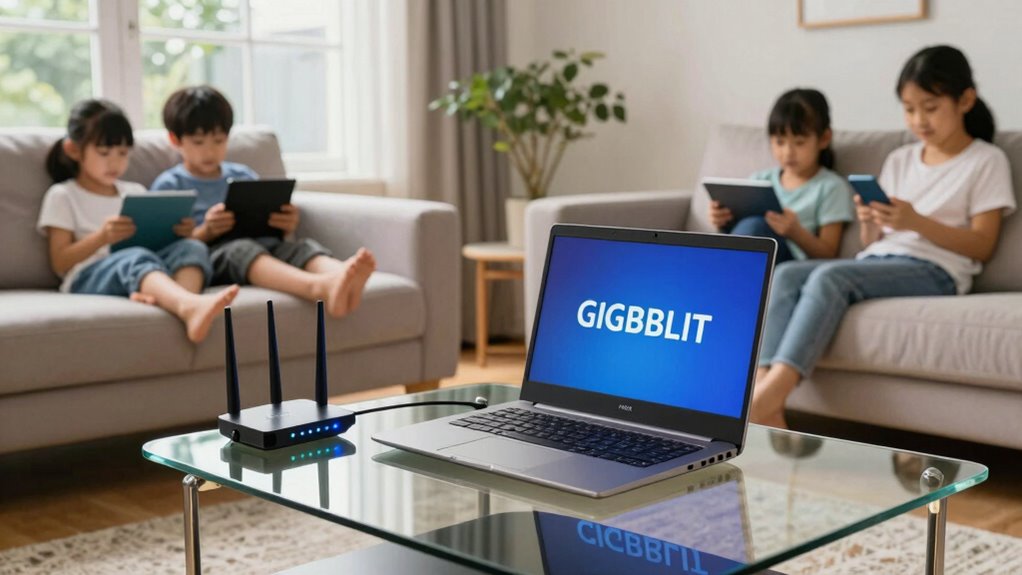
Despite the hype around gigabit internet, many average households wonder if upgrading is truly worth it. You might be excited about faster download and upload speeds, but it’s vital to assess the practical benefits versus the cost implications. A fiber upgrade can dramatically increase your internet performance, but it’s not always necessary for everyday use. If you’re mostly browsing, streaming, or working from home, your current connection might already meet your needs. The decision to upgrade should hinge on evaluating whether those extra speeds will notably impact your daily routines.
Fiber technology delivers impressive speeds, but the upgrade process isn’t just about plugging in a new cable. It involves infrastructure investments from providers, often leading to higher installation fees or service plan costs. You should ask yourself if the added expense aligns with your budget and if the speed boost justifies the investment. Sometimes, providers offer promotional rates for fiber upgrades, but remember that these prices can increase after the initial period. Understanding the full cost implications helps you avoid surprises down the road.
Another factor to weigh is whether your current devices can handle gigabit speeds. Older routers and network equipment might bottleneck your connection, negating some of the benefits of a fiber upgrade. Upgrading your hardware can add to the overall cost but guarantees that you’re truly maximizing your new speed. If your devices are relatively recent, you might already be capable of taking full advantage of gigabit internet, making the upgrade more worthwhile. Recognizing the role of network equipment ensures you’re making a comprehensive assessment. Additionally, being aware of advanced networking technologies can help you optimize your home setup for future demands.
The potential for future-proofing your home network is another reason to think about a fiber upgrade. As more devices connect to the internet and streaming quality demands increase, faster speeds can provide a smoother experience. However, if your household doesn’t use bandwidth-heavy applications, the immediate need might be minimal. Think about your typical internet usage patterns and whether they’ll evolve in the coming years before making a decision. It’s also important to consider cost-benefit analysis to determine if the long-term advantages outweigh the initial investment. Moreover, digital content trends suggest that online content consumption will continue to grow, which could influence your bandwidth needs later on.
Ultimately, a fiber upgrade offers benefits that can enhance your online experience, but it’s vital to weigh these against the cost implications. You should evaluate whether the speed increase aligns with your household’s needs and if your current setup can support those speeds. While gigabit internet can be a game-changer for some, for others, it’s an upgrade that might not deliver enough value to justify the expense, especially if your usage is light or moderate. Carefully considering these factors helps you make an informed choice about whether to proceed with the fiber upgrade.
gigabit internet compatible router
As an affiliate, we earn on qualifying purchases.
As an affiliate, we earn on qualifying purchases.
Frequently Asked Questions
Will Gigabit Internet Reduce My Overall Monthly Bill?
Gigabit internet might not reduce your overall monthly bill, especially after a cost comparison with traditional plans. While it offers faster speeds, the higher price can offset savings from other services. Installation challenges, like needing new equipment or infrastructure upgrades, could add upfront costs. Ultimately, consider if the increased speed justifies the expense for your household’s needs, as it may not lead to a lower bill.
How Does Gigabit Internet Compare to Fiber-Optic Connections?
Gigabit internet often uses fiber-optic connections, so it generally offers lower network latency and higher service reliability compared to older or less advanced connections. You’ll notice faster download and upload speeds, making streaming, gaming, and working from home smoother. Fiber-optic tech guarantees fewer interruptions and delays, so your internet stays consistent. Overall, gigabit internet with fiber-optic connections provides superior performance, especially for bandwidth-intensive tasks demanding low latency and dependable service.
Can I Get Gigabit Internet in Rural Areas?
Getting gigabit internet in rural areas is challenging due to infrastructure challenges and limited rural connectivity. While some providers are expanding their networks, coverage isn’t universal yet. You might need to check with local providers or government programs aimed at improving rural broadband. Keep in mind, even if gigabit isn’t available, faster internet options could still boost your connection markedly. Patience and research are key to finding the best solution for your area.
What Are the Security Risks With Gigabit Internet?
With gigabit internet, you’re opening a fast lane that can expose you to data breaches and network vulnerabilities. Imagine your data zooming through a high-speed highway—if security isn’t tight, hackers can slip in like shadows in the night. To stay safe, you need strong passwords, encryption, and regular updates. Otherwise, your personal info might be at risk, turning your digital speed into a security threat.
Is Gigabit Internet Suitable for Smart Home Devices?
Yes, gigabit internet is suitable for your smart home devices. Its high speed guarantees seamless streaming, quick downloads, and reliable device connectivity. You’ll benefit from better device compatibility, allowing smart home gadgets to operate smoothly without lag or interruptions. This ultra-fast internet makes managing multiple devices easier, enhancing your overall smart home experience. Just make sure your devices support gigabit speeds to maximize the benefits of this powerful connection.
As an affiliate, we earn on qualifying purchases.
Conclusion
While gigabit internet promises lightning-fast speeds, it’s not always the game-changer for every household. If your online needs are basic—browsing, streaming, occasional downloads—you might not see much difference from standard broadband. Do you really need that extra speed if your current setup works fine? Ultimately, it’s about understanding your specific needs and budget rather than chasing the hype. After all, isn’t reliable, sufficient internet better than just blazing fast speeds that go unused?
As an affiliate, we earn on qualifying purchases.
As an affiliate, we earn on qualifying purchases.
Fall Picks
fall essentials
As an affiliate, we earn on qualifying purchases.