
TL;DR
President Trump stated the Iran peace deal will be signed on Sunday, with the Strait of Hormuz opening afterward. Iran’s officials, however, remain cautious about the timing, creating uncertainty about the agreement’s completion.
President Donald Trump announced on Saturday that an agreement to end the conflict with Iran is scheduled to be signed on Sunday, with the opening of the Strait of Hormuz immediately following. The announcement comes amid cautious signals from Iranian officials about the timing of the deal, raising questions about whether the agreement will be finalized as claimed.
Trump made the announcement via his Truth Social account, stating, “The Deal is scheduled to get signed tomorrow, and immediately after it is signed, the Hormuz Strait is OPEN TO ALL.” He also indicated that the U.S. intends to work with Iran on removing enriched uranium at an unspecified future date, adding, “At the appropriate time, when all is calm, we will go in and get the Nuclear Dust, buried deep under the powerful sunken granite mountains.”
Meanwhile, Iranian officials have expressed caution regarding the timing. Iranian Foreign Ministry spokesperson Esmaeil Baghaei told state media that the exact date of signing remains uncertain, emphasizing that Iran is still reviewing the proposals and that the process requires careful consideration. A knowledgeable source close to Iran’s negotiating team indicated that there is no final decision yet on the agreement, and the signing could be delayed.
Additionally, Pakistani Prime Minister Shehbaz Sharif and Saudi Arabia’s foreign minister have commented on the negotiations, suggesting that the process is nearing completion. A senior U.S. official acknowledged that confidence in the deal’s signing remains incomplete, with uncertainties about whether the agreement will be finalized soon.
Implications of the Potential Iran-U.S. Peace Agreement
This development is significant because it could mark a major step toward reducing tensions in the Middle East, potentially leading to long-term regional stability. If finalized, the agreement could also provide Iran with economic relief and reduce the risk of conflict, impacting global energy markets and geopolitical dynamics. However, the cautious stance from Iran indicates that the deal’s success remains uncertain, and any delays or disagreements could prolong instability in the region.

Satellite Portable, Anti Interference Ar8000 2.4Ghz Receiver Satellite Compact Receiver 8 Channel Replacement for Ar6210 Ar12120 Ar9020
- Replacement Part: Premium 8-channel satellite receiver
- Easy to Use: Automatic frequency selection for quick setup
- Versatile Performance: Fast response with 11ms frame rate and 2048 resolution
As an affiliate, we earn on qualifying purchases.
As an affiliate, we earn on qualifying purchases.
Background on Iran-U.S. Negotiations and Regional Tensions
Negotiations between Iran and the United States have been ongoing for months, aiming to revive the 2015 nuclear deal and address broader regional issues. Previous efforts faced setbacks due to disagreements over sanctions, verification measures, and Iran’s nuclear program. Recent diplomatic signals from Pakistan and Saudi Arabia suggest that regional actors are optimistic about a breakthrough, but Iran’s cautious approach highlights ongoing sensitivities and the complex nature of the negotiations.
“The timing of the signing remains uncertain, and Iran is reviewing the proposals thoroughly.”
— an anonymous researcher

Solar Radio Emergency Hand Crank 12000mAh with Clear Signal
- Reliable NOAA/AM/FM Reception: Clear sound with high-sensitivity chip and antenna
- Large Solar Panel for Faster Charging: 8500mm² monocrystalline panel captures more sunlight
- High-Torque Hand Crank: Efficient generator for quick, effortless power
As an affiliate, we earn on qualifying purchases.
As an affiliate, we earn on qualifying purchases.
Unconfirmed Aspects of the Iran-U.S. Deal Timing
It is not yet clear whether the agreement will be signed as announced by Trump on Sunday. Iranian officials have indicated caution and the possibility of delays, and the U.S. official acknowledged that confidence in the deal’s imminent signing remains incomplete. The final decision depends on ongoing reviews and diplomatic negotiations.
Solar Radio Emergency Hand Crank 12000mAh with Clear Signal
- Reliable NOAA/AM/FM Reception: Clear sound with high-sensitivity chip and antenna
- Large Solar Panel for Faster Charging: 8500mm² monocrystalline panel captures more sunlight
- High-Torque Hand Crank: Efficient generator for quick, effortless power
As an affiliate, we earn on qualifying purchases.
As an affiliate, we earn on qualifying purchases.
Next Steps in the Iran-U.S. Negotiation Process
The immediate next step is the completion of Iran’s review process. If Iran confirms the deal’s signing, formal ceremonies are expected to follow, and the Strait of Hormuz could reopen to international traffic. Monitoring of official statements from Iran and the U.S. will be essential to confirm the deal’s finalization. Further diplomatic discussions are likely to continue in the coming days to address remaining issues and ensure implementation.
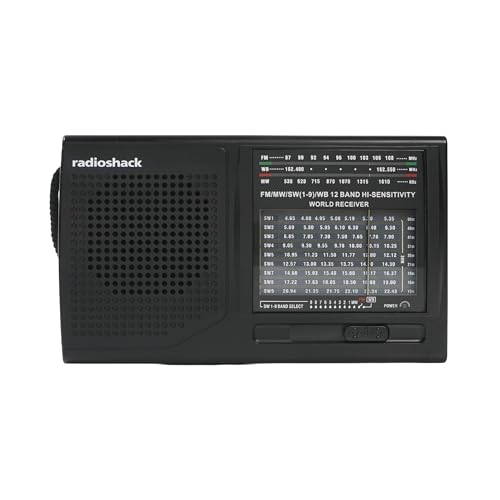
RadioShack Multi Band Radio with Weather Band 1202271 Portable Receiver
- 12-Band Global & Weather Coverage: Access AM/FM, SW 1-9, Weather Band
- Emergency Weather Alerts: Real-time updates during power outages
- Long-Range Reception & Clear Audio: Adjustable antenna with built-in speaker
As an affiliate, we earn on qualifying purchases.
As an affiliate, we earn on qualifying purchases.
Key Questions
Will the Iran peace deal actually be signed on Sunday?
It is currently uncertain. President Trump announced the signing for Sunday, but Iranian officials have expressed caution, and the timing remains under review.
What are the main issues still under review in Iran?
Iran is reviewing the legal, technical, and political aspects of the proposed agreement, including verification measures and sanctions relief.
What could delay the signing of the deal?
Delays could result from Iran’s internal review process, disagreements over terms, or diplomatic complications.
Why is the opening of the Strait of Hormuz significant?
The Strait is a critical global shipping route, and its reopening would ease regional tensions and facilitate international trade.
What happens if the deal is not signed as announced?
Uncertainty would persist, and regional tensions could continue or escalate, with potential for renewed conflict or sanctions.
Source: Google Trends