
TL;DR
Microsoft has released the oldest DOS source code discovered so far, including 86-DOS 1.00 and early utilities. This provides a rare look into the OS’s origins, but many details about the release’s scope remain unclear.
Microsoft has publicly released the oldest DOS source code to date, including the source for 86-DOS 1.00 and early utilities, marking a significant historical disclosure for computing history.
The source code release includes the earliest known versions of DOS-related software, predating the MS-DOS branding. It features the kernel of 86-DOS 1.00, several development snapshots of PC-DOS 1.00, and utilities such as CHKDSK, as explained by Microsoft’s Stacey Haffner and Scott Hanselman in their official post.
This release is notable because it extends the historical record of DOS back further than previous disclosures, which primarily focused on later versions of MS-DOS. The source code and accompanying documentation were discovered among old developer notes, representing a rare glimpse into the early development stages of what would become one of the most influential operating systems in personal computing. For more insights, see Grafana Labs internal source code accessed.
Why It Matters
This development matters because it offers historians, developers, and enthusiasts a unique opportunity to study the earliest code of DOS, shedding light on its initial architecture and development process. The release could influence understanding of OS evolution and inspire new research into early software engineering practices.
For the broader tech industry, it underscores the importance of preserving and sharing historical software artifacts, which can inform future innovations and provide context for decades of technological progress.

Master Detective Archives: RAIN CODE – Standard Edition Nintendo Switch
- Game Developer: From the Danganronpa team
- Game Genre: 3D detective adventure
- Setting: Neon-lit rain-soaked city
As an affiliate, we earn on qualifying purchases.
As an affiliate, we earn on qualifying purchases.
Background
Over the past decades, Microsoft has periodically released source code for early versions of DOS, but this is the first time it has unveiled the earliest known code, which predates the MS-DOS branding. The code originates from 86-DOS, developed by Tim Paterson for Seattle Computer Products, which Microsoft licensed and later acquired.
This code was foundational for the development of PC-DOS and MS-DOS, operating systems that dominated personal computing in the 1980s and 1990s. The release aligns with ongoing efforts to document and preserve the history of computing technology.
“This release provides an unprecedented view into the earliest stages of DOS development, offering valuable insights for historians and developers alike.”
— Scott Hanselman
“Releasing these early source files helps preserve a critical piece of computing history and offers a new perspective on DOS’s evolution.”
— Stacey Haffner

Operating System Concepts Essentials
As an affiliate, we earn on qualifying purchases.
As an affiliate, we earn on qualifying purchases.
What Remains Unclear
It is not yet clear how much of the source code is included in the release, whether it covers the entire 86-DOS 1.00 kernel, or if additional documentation and source files will be made available later. Details about licensing, access, and whether the code can be freely modified or redistributed remain to be clarified.

Avid Pro Tools Artist – Music Production Software – Perpetual License
- Delivery Method: Download card with instructions and serial key
- Comprehensive Audio Production: End-to-end music creation and editing tools
- Industry Standard: Used in top music, film, and TV productions
As an affiliate, we earn on qualifying purchases.
As an affiliate, we earn on qualifying purchases.
What’s Next
Microsoft has indicated that the source code will be available for researchers and the public, but the specific platforms or repositories hosting the code have not been announced. Further analysis by historians and developers is expected to follow, potentially revealing more about early OS architecture and development practices. You can also check out Microsoft’s licensing updates for related industry developments.
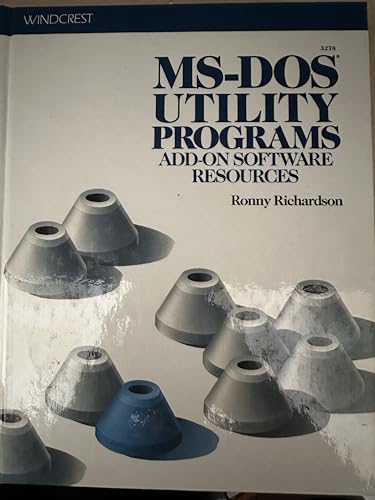
MS-DOS utility programs: Add-on software resources
- Condition: Used Book in Good Condition
As an affiliate, we earn on qualifying purchases.
As an affiliate, we earn on qualifying purchases.
Key Questions
What exactly has Microsoft released?
Microsoft has released the earliest known source code of DOS, including 86-DOS 1.00 kernel, early snapshots of PC-DOS 1.00, and utilities like CHKDSK, along with developer notes.
Why is this release significant?
This is the earliest DOS source code ever made public, shedding light on the OS’s initial development and architecture, which has been largely undocumented until now.
Will the source code be available for modification or commercial use?
Details about licensing and usage rights have not been fully disclosed. It is unclear whether the code will be open for modification or commercial distribution.
How does this impact the understanding of DOS history?
The release provides a rare primary source for researchers, potentially leading to new insights into early software engineering and the evolution of personal computer operating systems.
Source: Hacker News