
TL;DR
Toyama Prefecture in Japan is actively promoting its kombu (kelp) culture to attract more international tourists. The initiative includes culinary experiences and cultural activities centered around kombu, which is a staple of local cuisine. This effort aims to differentiate Toyama as a unique travel destination.
Toyama Prefecture in Japan is actively promoting its kombu (kelp) culture to attract more foreign tourists, emphasizing traditional culinary practices and cultural experiences centered around kombu, a key ingredient in Japanese cuisine.
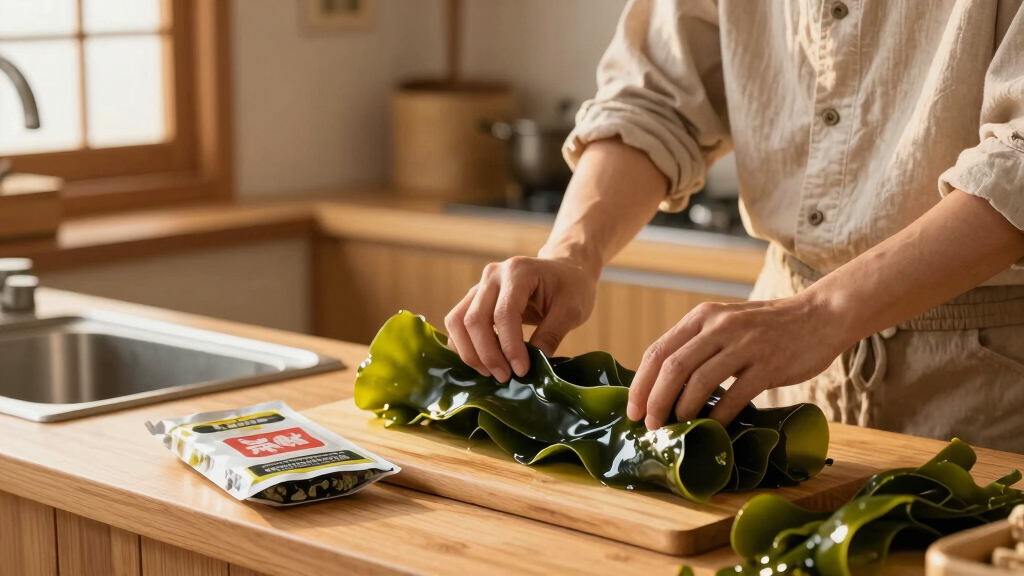
Local authorities and tourism organizations in Toyama are emphasizing kombu, a type of edible seaweed, as a cultural and culinary asset. Initiatives include promoting local dishes that feature kombu, such as sashimi cured with kombu, and offering hands-on activities like wrapping fish in kombu at places like Kombu House in Takaoka. These efforts are part of a broader strategy to differentiate Toyama as a destination that offers authentic and unique Japanese food experiences.
According to reports from Nikkei Asia, the campaign aims to leverage the region’s long-standing tradition of kombu harvesting and preparation, which dates back centuries. By doing so, Toyama hopes to appeal to tourists seeking immersive cultural and gastronomic experiences, particularly from overseas markets where interest in Japanese cuisine continues to grow.
Why It Matters
This initiative matters because it represents a strategic effort by Toyama to boost tourism through culinary and cultural branding. Promoting kombu culture could help attract a niche of tourists interested in authentic Japanese food experiences, potentially increasing regional economic activity and international recognition. It also highlights Japan’s broader trend of leveraging traditional food practices to sustain tourism amid global competition.
Japanese kombu seaweed for cooking
As an affiliate, we earn on qualifying purchases.
As an affiliate, we earn on qualifying purchases.
Background
Toyama has a long history of kombu harvesting, with the Sea of Japan coast providing ideal conditions for kelp cultivation. The prefecture has been promoting local food traditions for years, but recent efforts focus on branding kombu as a cultural icon. This aligns with Japan’s national push to enhance regional tourism by emphasizing local specialties and traditional practices. The campaign coincides with a broader increase in international travel to Japan, especially as the country recovers from pandemic-related restrictions, and aims to position Toyama as a distinctive culinary destination.
“We want visitors to experience the richness of our kombu culture, from traditional harvesting to modern culinary uses, as a way to deepen their connection with Toyama.”
— A local tourism official in Toyama
“Our activities allow guests to understand how kombu is integrated into Japanese cuisine and tradition, making their visit both educational and memorable.”
— Kombu House representative in Takaoka
As an affiliate, we earn on qualifying purchases.
What Remains Unclear
It is not yet clear how successful the campaign will be in attracting sustained international tourism or how widely the kombu experiences will be adopted by visitors. Details on specific marketing strategies and target markets remain under development.
As an affiliate, we earn on qualifying purchases.
What’s Next
Toyama plans to expand its promotional activities, including international marketing campaigns and new culinary experiences, to further attract foreign visitors. Monitoring visitor numbers and feedback over the coming months will determine the campaign’s effectiveness and guide future initiatives.
As an affiliate, we earn on qualifying purchases.
Key Questions
Why is kombu important to Toyama’s tourism efforts?
Kombu is a traditional and culturally significant ingredient in Toyama, representing its long-standing maritime heritage and culinary traditions. Promoting it helps differentiate Toyama as a unique food destination.
What activities are included in the kombu promotion campaign?
Activities include culinary experiences like sashimi curing with kombu, hands-on workshops at places like Kombu House, and promotional events highlighting kombu harvesting and preparation.
How does this campaign fit into Japan’s broader tourism strategy?
It aligns with Japan’s efforts to leverage regional food culture and traditional practices to attract international visitors and diversify its tourism appeal.
Are there any challenges to this initiative?
Success depends on international market interest, effective marketing, and the ability to offer authentic yet accessible experiences. The impact of global travel trends remains uncertain.