
TL;DR
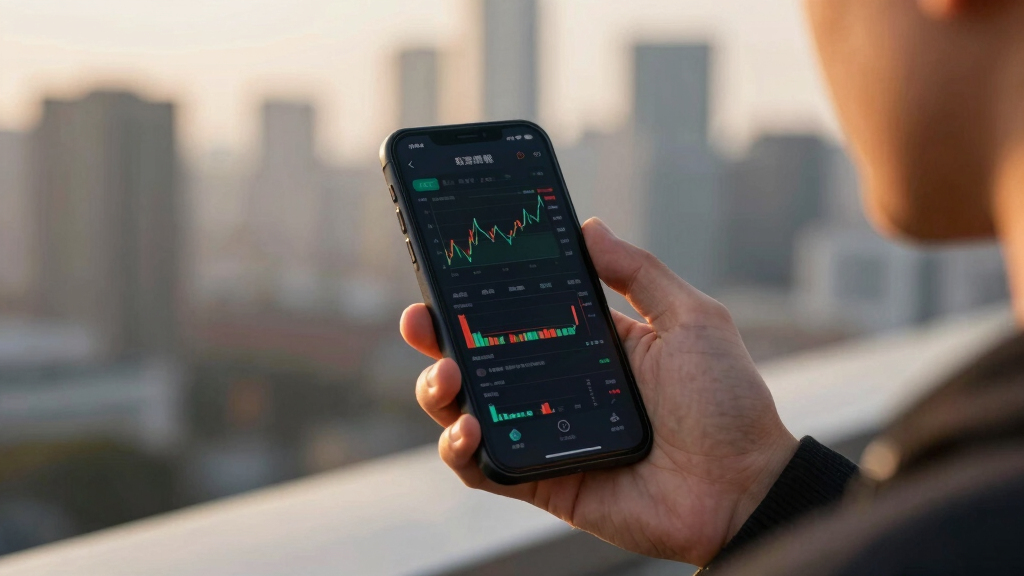
The Japanese yen is weakening against the US dollar due to increased market speculation that the Federal Reserve will raise interest rates later this year. This shift is driven by inflation worries in the US and expectations of diverging monetary policies.
The Japanese yen has come under renewed downward pressure as markets increasingly anticipate that the US Federal Reserve will raise interest rates before the end of 2026, driven by inflation concerns and monetary policy signals.

Get the latest gadgets delivered free with Prime
- Fast, free delivery on millions of items
- Prime Video, Amazon Music and more included
- Member-only deals all year
Recent trading data shows the yen weakening against the US dollar, with the currency reaching its lowest levels in months. Market participants are now betting on a possible rate hike by the Federal Reserve, with some analysts citing rising US inflation figures and Fed officials’ comments as key factors. According to financial sources, traders are pricing in a higher probability of a rate increase, which could happen as soon as later this year.
Economists note that the widening interest rate gap between the US and Japan is a primary driver of the yen’s decline. The Bank of Japan has maintained an ultra-loose monetary policy, contrasting sharply with the Fed’s tightening stance. This divergence is expected to continue, further pressuring the yen. Official statements from the Fed have hinted at the possibility of rate hikes if inflation persists, although no definitive decision has been announced.
Why It Matters
This development matters because a weaker yen impacts Japan’s economy, making imports more expensive and potentially fueling inflation domestically. It also influences global financial markets, as currency fluctuations can affect trade balances and investment flows. For investors and policymakers, the evolving US monetary policy outlook is a key factor shaping market dynamics.
Products Worth Considering

LG UltraGear 27GX700A-B 27-Inch QHD OLED Gaming Monitor

Samsung 27-Inch Odyssey OLED G6 QHD Gaming Monitor (G61SH)

Samsung Odyssey OLED G8 34-Inch Curved Ultra WQHD Gaming Monitor
As an affiliate, we earn on qualifying purchases.
Background
Over the past year, the yen has experienced volatility amid global economic uncertainties and divergent monetary policies. The Bank of Japan has maintained its yield curve control, while the US Federal Reserve has signaled multiple rate hikes to combat inflation. Recent US economic data showing persistent inflation has increased expectations that the Fed will act sooner rather than later. These developments follow a period of relative stability in the yen, which has now been challenged by market sentiment shifting towards tightening US monetary policy.
“Market pricing indicates a high likelihood of a US rate hike by the end of the year, which is putting significant pressure on the yen.”
— Analyst at a major financial institution
“We remain vigilant about inflation and are prepared to act accordingly to maintain price stability.”
— Federal Reserve official (unnamed)
What Remains Unclear
It remains unclear whether the Fed will indeed implement a rate hike later this year, as economic data and geopolitical factors could influence decisions. Additionally, the pace and magnitude of any increase are still uncertain, and the response of the Bank of Japan and other central banks could alter currency trajectories.
What’s Next
Next steps include monitoring US economic indicators such as inflation and employment data, as well as Fed communications. Market expectations will likely adjust accordingly, influencing the yen’s movement. The upcoming Federal Reserve meetings and statements will be critical in shaping the currency’s trajectory in the coming months.
Key Questions
Why is the yen weakening now?
The yen is weakening due to market expectations that the US Federal Reserve will raise interest rates later this year, driven by concerns over persistent inflation and diverging monetary policies between the US and Japan.
How would a US rate hike affect Japan’s economy?
A US rate hike can strengthen the dollar relative to the yen, making Japanese exports more expensive and potentially increasing inflation domestically. It also influences capital flows and investment decisions globally.
When might the Fed decide to hike rates?
There is no official date yet, but market speculation suggests the Fed could act as early as late 2026, depending on upcoming US economic data and inflation trends.
Could the Bank of Japan intervene to support the yen?
The Bank of Japan has maintained its ultra-loose monetary policy and has shown limited willingness to intervene in currency markets. Any intervention would depend on the yen’s volatility and economic impact.
What are the risks if the yen continues to weaken?
A sustained decline could increase import costs, fuel domestic inflation, and impact consumer confidence. It might also lead to increased volatility in financial markets globally.