Megapixels matter to an extent, as they influence the resolution, detail, and size of your photos, making larger prints and cropping easier. However, they don’t guarantee better image quality by themselves. Factors like lens quality, sensor size, and image processing play a bigger role in capturing sharp, vibrant images. So, while higher megapixels can help, understanding what else impacts photo quality will give you a clearer picture of a good camera—if you look further, you’ll find out what truly makes a difference.
Key Takeaways
- Megapixels influence image resolution and size but don’t solely determine overall photo quality.
- Sensor size and quality, not just megapixels, play a crucial role in low-light performance and detail.
- High megapixels enable larger prints and cropping but may require better processing and lens quality.
- Lens quality and aperture size significantly impact sharpness, contrast, and color accuracy regardless of megapixel count.
- Future advancements focus on software, stabilization, and AI, making megapixels less critical for overall camera performance.
Understanding Megapixels and Their Role in Photography
Megapixels are a common way to measure a camera’s resolution, but they don’t tell the whole story about image quality. The sensor size plays a vital role, as larger sensors capture more light, which improves detail and reduces noise. Even with high megapixels, a small sensor can limit image quality because it struggles with light gathering. A larger sensor not only enhances low-light performance but also allows for a greater depth of field, adding to creative control. Image processing also matters, as it helps refine details, correct colors, and reduce noise. A camera with fewer megapixels but a larger sensor and advanced processing can outperform a higher-megapixel phone with a tiny sensor. So, when evaluating camera quality, consider sensor size and image processing capabilities alongside megapixel count. These factors combined give you a clearer picture of what your camera can truly achieve. Additionally, sensor size impacts low-light performance and the depth of field, further influencing overall image quality. Recognizing how Image processing techniques enhance photo clarity can also significantly impact the final output, making the combination of hardware and software crucial. Moreover, understanding how headphone jacks and connectivity options affect device compatibility can enhance your overall multimedia experience. Recognizing the importance of high-quality lenses can also significantly impact the final image output.
How Megapixels Impact Image Resolution and Size

Higher megapixels mean your photos can capture more detail and have greater resolution. This also affects the image’s file dimensions, making them larger and more suitable for printing or cropping. Understanding this relationship helps you choose the right camera for your specific needs. Additionally, remote work has emphasized the importance of high-quality images for virtual meetings and content creation. When selecting a camera, considering home furnishings like lighting and background setup can further enhance image clarity and overall quality. Being aware of camera sensor size can also influence image quality, especially in various lighting conditions. Furthermore, advances in AI in education demonstrate how technology can improve learning experiences, paralleling how improvements in camera technology can enhance visual communication. Recognizing vetted information about camera specifications can help you make more informed decisions.
Resolution and Detail
While the number of megapixels directly influences the resolution of your photos, it’s vital to understand how this affects the overall image quality and size. Higher megapixels mean more detail, but the sensor size and image processing also play key roles. Larger sensors capture more light and detail, resulting in sharper images, even with fewer megapixels. Proper image processing ensures that detail isn’t lost or overly compressed, maintaining clarity. Additionally, sensor technology impacts how effectively a camera captures detail in various lighting conditions. Advances in camera sensor design have improved low-light performance, further influencing image quality regardless of megapixel count. Understanding emotional support can help you manage frustration if your camera doesn’t meet expectations. Keep in mind:
- Higher resolution allows for significant cropping without losing detail.
- Smaller sensors with many megapixels may produce noise or reduced image quality.
- Image processing algorithms help optimize detail and sharpness across different sensor sizes.
- Additionally, crores and units conversion can be useful when handling large image data or storage estimates, especially in regions where the Indian numbering system is used.
Understanding these factors helps you make better choices based on your camera’s resolution capabilities.
Image File Dimensions
When you take a photo with your phone, the number of megapixels directly determines the image’s resolution, which affects its overall dimensions and quality. Higher megapixels mean larger image file dimensions, allowing for bigger prints or detailed cropping. Sensor technology plays a role here, capturing more data and improving the detail in each pixel. Additionally, advanced Mazda tuning technologies are used to optimize sensor performance, which can enhance image clarity and color accuracy. Modern image processing algorithms further refine images by reducing noise and enhancing detail, contributing to overall quality. These algorithms can also help in managing image compression, which is crucial for balancing file size and image fidelity. However, image compression can reduce file size but also impact resolution, sometimes sacrificing detail for smaller files. Keep in mind that even with high megapixels, poor sensor quality or aggressive compression can limit the final image’s clarity. So, while megapixels influence the potential size and resolution, the actual quality depends on how well your phone’s sensor technology manages data and how efficiently it compresses images without losing essential detail.
The Limitations of High Megapixel Counts in Smartphones

Having more megapixels doesn’t automatically mean better photos. In fact, sensor size plays a bigger role in image quality, especially in low light. So, focusing solely on high megapixel counts can be misleading. Additionally, understanding sensor size helps you make more informed choices about smartphone cameras. A larger sensor can capture more light, resulting in clearer images with less noise, which is crucial for high-quality photography. Recognizing the importance of sensor size helps you appreciate how camera design safeguards image integrity, just as good cybersecurity measures protect data.
Megapixels Aren’t Everything
High megapixel counts alone don’t guarantee better photos. While more pixels can capture finer detail, they don’t address other essential factors like camera ergonomics or the user interface. A high-megapixel sensor might produce large images, but if the camera’s design makes it hard to hold steady or access settings quickly, your shots suffer. Additionally, a cluttered or complicated interface can hinder your ability to focus on composition rather than fiddling with controls. Memory and processing power also matter; more pixels require more storage and processing, which can slow down your phone’s performance. Ultimately, a balanced combination of sensor quality, software optimization, and ease of use makes a camera truly effective—not just pixel count. Incorporating Hackathons into development processes can also accelerate innovation in camera technology by fostering collaborative solutions. Moreover, advancements in camera technology often depend on iterative testing and feedback, which hackathons can facilitate efficiently.
Sensor Size Matters More
While megapixels influence image size and detail, the size of the camera sensor plays a more significant role in determining overall photo quality. A larger sensor captures more light, which improves image clarity, especially in low-light conditions. This means your photos will have better dynamic range and less noise, regardless of megapixel count. Smaller sensors struggle to gather enough light, even if they have high megapixels, resulting in grainy images. Additionally, a bigger sensor supports more advanced image stabilization systems, reducing blurriness caused by hand movements. This stabilization is vital for sharp photos in challenging conditions. Ultimately, a larger sensor enhances overall image quality more than just increasing megapixels, making it a key factor in smartphone camera performance.
Other Crucial Factors Influencing Camera Quality
Beyond megapixels, various other factors play a vital role in determining your phone camera’s overall quality. These include image stabilization, software processing, and sensor quality. Good camera accessories, like lens attachments, can enhance your photos, while the quality of your selfie camera impacts your portraits.
Consider these crucial aspects:
- Image stabilization helps prevent blurry shots during movement.
- Advanced software algorithms improve color accuracy and detail.
- A high-quality sensor ensures better low-light performance.
Focusing on these factors can make a significant difference in your photos, regardless of megapixel count. Upgrading your camera accessories or choosing phones with superior selfie cameras can elevate your overall photography experience. Remember, it’s not just about resolution but how these elements work together to produce stunning images.
The Importance of Lens Quality and Aperture
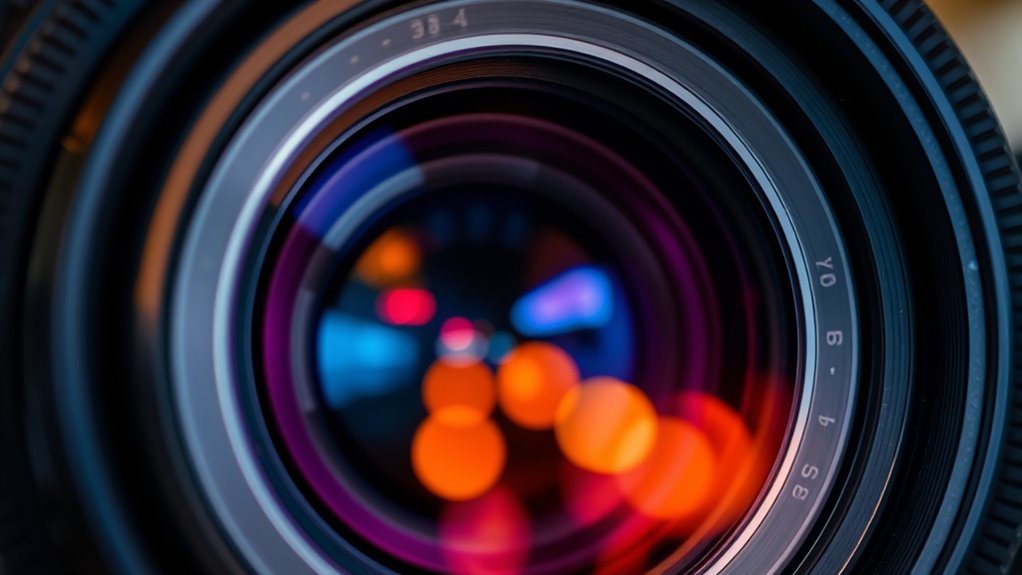
The quality of your phone camera’s lens and its aperture directly impacts the sharpness, clarity, and overall quality of your photos. High lens quality ensures light enters cleanly, reducing distortion and producing sharper images. A well-made lens also minimizes chromatic aberrations, giving you clearer colors. Aperture size plays a vital role in how much light reaches the sensor; a wider aperture (lower f-number) allows more light, improving performance in low-light conditions and creating a pleasing background blur. Conversely, a smaller aperture (higher f-number) offers greater depth of field, keeping more of the scene in focus. Both lens quality and aperture size work together to determine how well your camera captures detail, contrast, and color accuracy, making them indispensable factors for superior photo quality.
Sensor Size and Its Effect on Photo Clarity

Larger sensor sizes in your phone camera typically lead to clearer, more detailed photos. When the sensor is bigger, it captures more light, which enhances photo clarity, especially in low-light conditions. A bigger sensor allows each pixel to gather more information, reducing noise and improving overall image quality. This means your photos will look sharper and more vibrant. Keep in mind, sensor size impacts depth of field and background blur, giving your images a professional touch.
Larger phone sensors capture more light, resulting in sharper, clearer, and more vibrant photos with better low-light performance.
- Larger sensors improve light sensitivity, boosting photo clarity
- They allow for better control over depth of field
- Bigger sensors reduce noise in low-light environments
Image Processing and Software Optimization

While sensor size lays the foundation for image quality, software optimization and image processing are vital in determining your final photo. Techniques like sensor calibration ensure colors are accurate and details are preserved. Image stabilization helps you capture sharp images even in motion or low light, reducing blur caused by hand shake. Advanced algorithms enhance dynamic range and reduce noise, making photos clearer and more vibrant. Manufacturers continually refine their software, which means your phone’s processing power directly impacts photo quality. The right combination of hardware and software transforms raw data into stunning images that tell your story.
| Emotion | Reflection |
|---|---|
| Confidence | Trusting your camera to capture perfect moments |
| Excitement | Discovering new ways to improve your photos |
| Satisfaction | Looking back at images that truly impress |
Real-World Performance: Comparing Phones With Different Megapixel Counts

When you compare phones with different megapixel counts, you’ll notice how they perform in real-world situations like low-light environments and when cropping photos. Higher megapixels can offer more detail and better clarity, especially when enlarging or editing images. Ultimately, understanding these practical differences helps you choose a phone that matches your photography needs.
Detail in Low Light
Although higher megapixels can capture more detail, they don’t automatically guarantee better low-light performance. In low-light conditions, sensor size and image processing play a vital role. Larger sensors gather more light, reducing noise and improving detail, regardless of megapixel count. Phones with smaller sensors may struggle, even with high megapixel numbers, because they can’t capture enough light efficiently. Good image processing algorithms help enhance detail and reduce noise, making a significant difference in low-light shots. Keep in mind:
- Larger sensor size improves light capture
- Advanced image processing reduces noise
- Megapixel count alone doesn’t determine low-light detail
Cropping Flexibility Benefits
Higher megapixel counts considerably enhance your ability to crop images without sacrificing detail. With more pixels, you can zoom in digitally or crop tightly, maintaining clarity. This flexibility allows you to frame your shot broadly and refine it later without losing sharpness. Phones with higher megapixels also benefit from better image stabilization, helping ensure that even when cropping, your photos remain crisp and steady. Digital zoom becomes more effective, giving you closer shots without relying on optical zoom, which might be limited. This means you can capture distant subjects and crop them without pixelating. Overall, higher megapixels provide greater cropping flexibility, enabling you to extract more detail from your shots even after taking them, making your images more versatile in real-world situations.
Real-World Clarity
In real-world situations, a higher megapixel count doesn’t always guarantee better clarity. Factors like sensor size and lens quality play vital roles. Larger sensors capture more light, reducing noise and improving detail, regardless of megapixels. Superior lens quality ensures sharpness and minimal distortions, making images clearer even with fewer megapixels.
You’ll notice that:
- Sensor size impacts overall image sharpness more than pixel count alone.
- Lens quality determines how well light is focused onto the sensor, affecting clarity.
- High megapixels can be less effective if the sensor is small or the lens is subpar.
Ultimately, real-world clarity depends on a combination of these elements, not just the number of pixels.
Tips for Choosing a Smartphone Camera That Suits Your Needs

Choosing a smartphone camera that fits your needs starts with understanding what you prioritize most—whether it’s high-resolution photos, excellent low-light performance, or versatile zoom capabilities. Consider how important camera accessories are for your photography style, such as external lenses or stabilizers, which can enhance your shots. Also, pay attention to the user interface; an intuitive layout makes capturing and editing photos easier, especially if you’re new to smartphone photography. Look for a camera system that offers the features you want without overwhelming you with unnecessary options. By focusing on these aspects, you’ll find a device that aligns with your photography goals, making it easier to take great photos whenever inspiration strikes.
Future Trends in Smartphone Camera Technology
As smartphone manufacturers push the boundaries of camera innovation, future trends are set to transform the way you capture and share images. Expect improvements like advanced camera lenses that enhance image quality even in low light, making your photos sharper and more detailed. Enhanced image stabilization tech will reduce blurriness caused by hand movement, allowing you to shoot smoother videos and clearer photos on the go. Additionally, we’ll see greater integration of AI-powered features that optimize settings automatically, giving you professional-quality results effortlessly. These innovations will make your smartphone camera more versatile, reliable, and user-friendly. The focus will be on pushing hardware limits while combining software enhancements to deliver stunning imagery in all conditions. Get ready for a new era of mobile photography.
Frequently Asked Questions
How Do Smartphone Camera Sensors Differ Across Brands?
You’ll notice that smartphone camera sensors differ across brands mainly due to sensor size and brand reputation. Larger sensors capture more light, improving photo quality, especially in low light. Trusted brands like Sony or Samsung often use advanced sensors, giving you better clarity and color accuracy. Smaller or less reputable brands might compromise on sensor quality, resulting in images that lack detail and vibrancy. Your choice of brand impacts overall photo performance markedly.
Can Software Enhancements Compensate for Lower Megapixel Counts?
Yes, software enhancements can compensate for lower megapixel counts. You benefit from advanced image processing that enhances detail, reduces noise, and improves color accuracy, especially when sensor size is limited. These improvements help produce sharp, vibrant photos even with smaller sensors and fewer pixels. So, even if your camera has fewer megapixels, smart software can still deliver impressive images by optimizing data from the sensor effectively.
Do Higher Megapixels Improve Low-Light Photography?
Higher megapixels alone don’t substantially improve low-light photography. Instead, your sensor size and pixel density matter more. A larger sensor captures more light, enhancing image quality in dim conditions. Higher pixel density can cause smaller pixels, which may struggle to gather enough light, reducing low-light performance. So, focus on sensors with larger size and ideal pixel density rather than just increasing megapixels for better low-light shots.
How Does Image Stabilization Affect Photos Regardless of Megapixel Count?
Smooth shots stay sharp thanks to image stabilization benefits, regardless of megapixel limitations. When you stabilize your camera, you reduce blurriness caused by hand movement, making every photo clearer. This technology helps you capture crisp images in low light or with slow shutter speeds. No matter your phone’s megapixel count, stabilization enhances your photos’ quality, ensuring you get stunning shots every time without sacrificing detail or clarity.
Are There Diminishing Returns With Increasing Megapixels in Smartphones?
Increasing megapixels in smartphones does lead to diminishing returns, especially if sensor size and pixel density aren’t optimized. Higher megapixels can improve detail, but only if the sensor is large enough to accommodate the extra pixels without sacrificing image quality. When pixel density becomes too high on a small sensor, photos may lose dynamic range and low-light performance. So, focus on balanced sensor size rather than just megapixel count.
Conclusion
Remember, choosing a phone camera isn’t just about megapixels—it’s like picking a paintbrush. A high-quality brush with fewer bristles can produce a masterpiece, while a fancy one with broken fibers won’t. So, don’t chase numbers alone. Focus on lens quality, software, and your needs. When you find the right combination, your photos will come alive, turning everyday moments into vivid stories—like capturing sunlight perfectly with just the right tool.