
TL;DR

Get the latest gadgets delivered free — and shop member deals
- Fast, free delivery on millions of items
- Access to Prime Big Deal Days deals on October 6–7
- Prime Video, Amazon Music and more included
Indonesia has announced plans to develop multiple waste-to-energy plants over the next few years. This initiative aims to reduce landfill waste and increase national energy self-sufficiency. The project is confirmed but specific implementation details remain uncertain.
Indonesia has announced plans to build dozens of waste-to-energy power plants over the next few years, aiming to reduce landfill waste and bolster energy self-sufficiency, according to government officials.
The Indonesian government has committed to constructing dozens of waste-to-energy (WTE) facilities within the next few years. This initiative is part of a broader effort to address the country’s rapidly growing waste problem, which produces approximately 140,000 metric tons of waste daily, much of which currently ends up in landfills.
Officials from Indonesia’s Ministry of Energy and Mineral Resources confirmed that the government is prioritizing WTE projects as a key component of its national energy strategy. While specific locations and timelines for individual plants have not been publicly disclosed, the government emphasizes that these facilities will help reduce reliance on landfills and generate additional energy capacity.
Indonesia’s current energy mix is heavily dependent on fossil fuels, and the government aims to diversify sources and increase renewable energy share. The waste-to-energy plants are expected to contribute to this goal by converting urban waste into electricity, thus addressing waste management issues and supporting energy independence.
Why It Matters
This development is significant because Indonesia faces a mounting waste crisis, with landfills reaching capacity in many urban areas. The move toward waste-to-energy technology offers a dual benefit: managing waste more sustainably and increasing domestic energy production. This shift could reduce the country’s dependence on imported fuels and contribute to environmental goals, including reducing greenhouse gas emissions from landfills.
Additionally, the initiative aligns with Indonesia’s broader climate commitments and efforts to modernize its infrastructure, potentially setting a regional example for waste management and renewable energy integration in Southeast Asia.
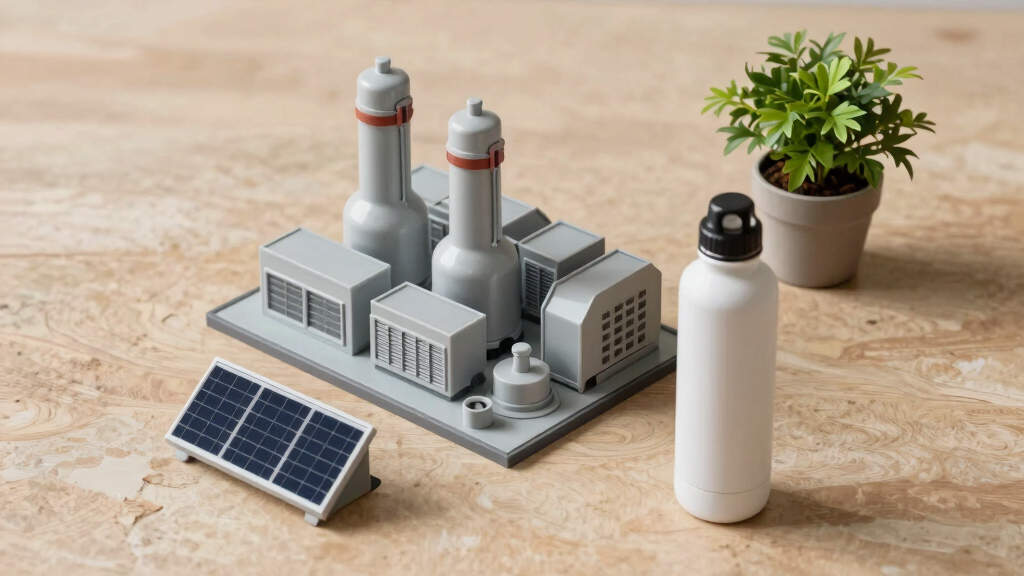
waste-to-energy power plant model
As an affiliate, we earn on qualifying purchases.
As an affiliate, we earn on qualifying purchases.
Background
Indonesia generates approximately 140,000 metric tons of waste daily, with landfills nearing capacity in major cities like Jakarta. The government has previously announced ambitions to increase renewable energy sources, but progress has been slow. Waste-to-energy projects have been discussed for years, but recent policy statements indicate a renewed push, driven by urgent waste management needs and energy security concerns.
Globally, waste-to-energy technology has been adopted in countries like Japan, South Korea, and China, where it is seen as a viable way to handle urban waste while generating power. Indonesia’s new plans reflect a regional trend toward integrating waste management with energy production, though challenges remain in technology deployment and financing.
“We are committed to building dozens of waste-to-energy plants to reduce landfill reliance and support our energy independence efforts.”
— Minister of Energy and Mineral Resources, Arifin Tasrif
“Waste-to-energy technology can be a game-changer for Indonesia if implemented properly, but it requires careful planning and investment.”
— Environmental expert, Dr. Siti Nuraini
As an affiliate, we earn on qualifying purchases.
What Remains Unclear
Details remain unclear regarding the specific locations, timelines, and funding sources for the planned waste-to-energy plants. It is also uncertain how quickly these projects will be operational and whether they will meet the country’s waste and energy needs as projected.
small-scale waste to energy system
As an affiliate, we earn on qualifying purchases.
As an affiliate, we earn on qualifying purchases.
What’s Next
The government is expected to release detailed plans and project timelines in the coming months. Construction of initial facilities may begin later this year, with operational plants potentially coming online within two to three years. Monitoring progress and assessing technological and financial feasibility will be key steps forward.
As an affiliate, we earn on qualifying purchases.
Key Questions
How many waste-to-energy plants does Indonesia plan to build?
Indonesia plans to build dozens of waste-to-energy plants over the next few years, though specific numbers and locations are yet to be finalized.
What are the main benefits of waste-to-energy technology for Indonesia?
It can help reduce landfill waste, generate additional electricity, and support the country’s goal of increasing energy independence and diversifying its energy sources.
What challenges might Indonesia face in implementing these projects?
Challenges include securing funding, technological deployment, environmental considerations, and ensuring the projects are completed on schedule and operate efficiently.
When might these waste-to-energy plants become operational?
Initial plants could start operating within two to three years, depending on project development timelines and funding availability.
Fall Picks
fall essentials
As an affiliate, we earn on qualifying purchases.