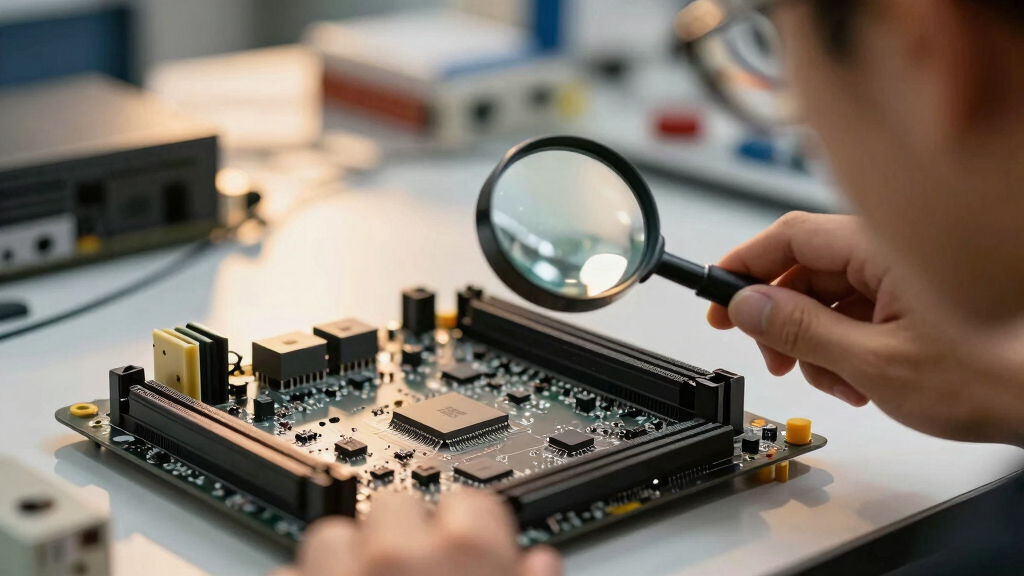

TL;DR
Taiwan produces most of the world’s advanced semiconductors, making its industry critical to the global economy. China’s potential actions could severely disrupt supply chains, but the exact nature of future risks remains uncertain.
Taiwan’s semiconductor industry, led by TSMC, is essential to the global economy, producing roughly 90% of the world’s advanced chips. China’s strategic options to exert pressure or disrupt this supply chain pose a significant risk, with potential economic consequences that could dwarf recent crises.
TSMC is the dominant supplier of cutting-edge semiconductors used in smartphones, electric vehicles, and artificial intelligence. Experts, including Stanford’s Eyck Freymann, warn that a serious disruption to Taiwan’s chip exports could cause an economic shock exceeding anything seen since World War II.
China has not yet invaded Taiwan but has multiple tools short of military action to exert influence, such as blockades, customs inspections, and economic coercion. These measures could cripple Taiwan’s chip exports without a full-scale invasion, risking a cascade of global supply chain failures.
The so-called ‘Silicon Shield,’ which relies on mutual dependence between Taiwan, the U.S., and other allies, offers some deterrence but is not foolproof. China’s efforts to develop a domestic semiconductor industry have met limited success at the most advanced levels, but the threat of economic containment remains significant.
Why It Matters
This situation underscores the fragility of global supply chains and the geopolitical importance of Taiwan’s semiconductor industry. Any disruption could lead to widespread economic fallout, affecting everything from consumer electronics to automotive manufacturing. The risk of conflict or coercion also raises questions about future stability in the Indo-Pacific region and global technological leadership.

Semiconductor Advanced Packaging
As an affiliate, we earn on qualifying purchases.
As an affiliate, we earn on qualifying purchases.
Background
Over recent years, supply chain disruptions during the COVID-19 pandemic and geopolitical tensions have highlighted Taiwan’s critical role. TSMC’s dominance at the forefront of chip manufacturing makes it a strategic target for China, which views reunification as a core national goal. The U.S. has responded with legislation like the CHIPS Act to bolster domestic production, but Taiwan’s advanced fabs remain central to global supply chains.
“The economic shock from a serious Taiwan disruption would dwarf anything we’ve seen in the postwar period.”
— Eyck Freymann, Hoover Fellow at Stanford
“The fabs would be inoperable if attacked or sabotaged, and many depend on international suppliers and highly specialized workforce.”
— TSMC spokesperson
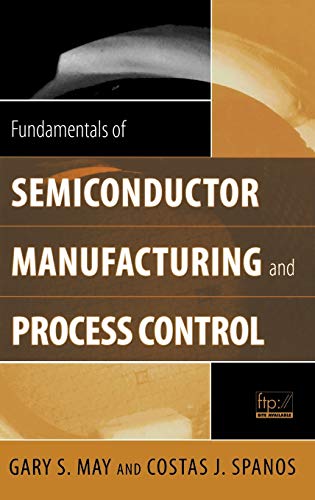
Fundamentals of Semiconductor Manufacturing and Process Control (IEEE Press)
As an affiliate, we earn on qualifying purchases.
As an affiliate, we earn on qualifying purchases.
What Remains Unclear
It remains unclear what specific actions China might take, whether they will escalate military pressure or rely on economic coercion, and how Western countries will respond. The effectiveness of U.S. and allied measures to contain or mitigate disruptions is also uncertain.

Klein Tools RT250 GFCI Outlet Tester with LCD Display, Electric Voltage Tester for Standard 3-Wire 120V Electrical Receptacles
CLEAR LCD READOUT: GFCI Receptacle Tester features a large backlit LCD readout for easy voltage reading and clear…
As an affiliate, we earn on qualifying purchases.
As an affiliate, we earn on qualifying purchases.
What’s Next
Next steps involve monitoring diplomatic developments, potential military posturing, and legislative actions by the U.S. and allies. Key milestones include upcoming talks between China and the U.S., and Taiwan’s efforts to diversify supply chains and bolster domestic production.

High Elastic membranes Box for Chip & Wafer Storage – Anti-Vibration Shockproof Container for Semiconductor Devices(80x36x20mm 1 pc/pk)
High Elastic membranes devise: Soft, stretchable membranes securely suspends chips and wafers, providing superior protection against vibration and…
As an affiliate, we earn on qualifying purchases.
As an affiliate, we earn on qualifying purchases.
Key Questions
Could China invade Taiwan to control its chip industry?
While a full invasion remains a possibility, experts suggest China is more likely to use economic and military coercion short of invasion, which could still severely disrupt Taiwan’s chip exports.
How dependent is the global economy on Taiwan’s chips?
Approximately 90% of the world’s advanced semiconductors are produced by TSMC, making Taiwan’s industry a linchpin for global technology and manufacturing sectors.
What measures are the U.S. and allies taking to reduce dependency on Taiwan?
The U.S. passed the CHIPS Act to incentivize domestic chip manufacturing, and Taiwan has restricted the export of its most advanced chips abroad to maintain control over its technology edge.
What are China’s main strategies to exert influence over Taiwan’s semiconductor industry?
China’s options include economic coercion, blockades, customs inspections, and political pressure, aiming to weaken Taiwan’s export capacity without necessarily resorting to military invasion.