
TL;DR
Japan will begin sharing maritime vessel monitoring data with Southeast Asian countries to improve regional maritime security. This initiative aims to bolster sea lane defense amid growing geopolitical tensions. The plan is confirmed and part of Japan’s broader regional security strategy.
Japan will start sharing maritime vessel monitoring information with Southeast Asian nations as part of its efforts to strengthen regional sea lane defense, according to officials announced on May 17, 2026. This initiative aims to improve maritime domain awareness and counter security threats in critical shipping routes.
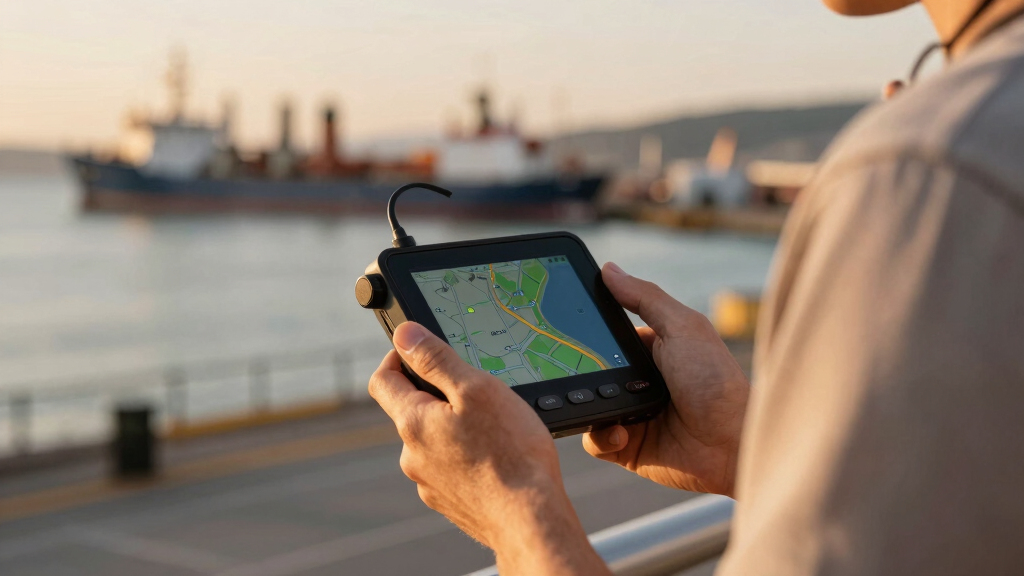
The Japanese government revealed plans to share vessel monitoring data with Southeast Asian countries, encouraging them to adopt Japanese maritime domain awareness (MDA) services. This move is part of Japan’s broader strategy to enhance regional maritime security amid increasing geopolitical tensions and the strategic importance of sea lanes in the Indo-Pacific region. Japan’s Coast Guard has previously provided patrol vessels to Southeast Asian nations, and the new data-sharing initiative is expected to complement these efforts by providing real-time information on vessel movements.Officials stated that the information-sharing will involve Japanese maritime agencies providing vessel tracking data, which could help Southeast Asian countries better monitor shipping traffic and identify potential security threats. The plan is also seen as a response to recent incidents highlighting vulnerabilities in maritime security, including the closure of strategic waterways like the Strait of Hormuz, which underscores procurement and security risks.While details about the scope and implementation timeline remain limited, sources indicate that the initiative is part of Japan’s broader regional security cooperation and aims to foster closer maritime collaboration with ASEAN nations.
Why It Matters
This development is significant because it marks a proactive step by Japan to bolster regional maritime security amid rising geopolitical tensions in the Indo-Pacific. Enhancing maritime domain awareness helps deter illegal activities such as smuggling, piracy, and potential military provocations, contributing to stability in critical sea lanes. For Southeast Asian nations, this partnership could improve their ability to monitor shipping traffic and respond to security threats more effectively, strengthening regional cooperation and resilience.
As an affiliate, we earn on qualifying purchases.
Background
Japan has historically supported Southeast Asian maritime security through patrol vessels and joint exercises. The current initiative builds on these efforts by emphasizing information sharing and technological cooperation. The move comes at a time when strategic waterways like the Strait of Malacca and the South China Sea are increasingly contested, with regional powers seeking to secure their interests. Japan’s focus on maritime domain awareness aligns with its broader security policy to maintain free and open sea lanes amid rising tensions with China and North Korea, and in response to global security challenges such as piracy and illegal fishing.
“We aim to improve maritime security cooperation with Southeast Asian countries through information sharing, which is vital for maintaining safe sea lanes.”
— Japanese government official
“Sharing vessel monitoring data will enable partner nations to better track maritime traffic and identify potential threats in real time.”
— Japanese Coast Guard spokesperson
maritime security monitoring system
As an affiliate, we earn on qualifying purchases.
As an affiliate, we earn on qualifying purchases.
What Remains Unclear
It is not yet clear which specific countries will participate initially, the detailed scope of data sharing, or the timeline for full implementation. The operational and technological specifics remain under development, and regional responses are still emerging.
As an affiliate, we earn on qualifying purchases.
What’s Next
Japan is expected to formalize agreements with select Southeast Asian nations in the coming months, with pilot programs potentially launching later this year. Monitoring of the initiative’s effectiveness and regional response will be crucial in assessing its long-term impact on maritime security cooperation.
marine domain awareness software
As an affiliate, we earn on qualifying purchases.
As an affiliate, we earn on qualifying purchases.
Key Questions
Which Southeast Asian countries will participate in the data-sharing initiative?
The specific countries involved have not yet been publicly disclosed; discussions are ongoing with several ASEAN members.
What kind of vessel monitoring data will Japan share?
Details are still emerging, but it is expected to include real-time tracking information on maritime vessels to enhance situational awareness.
How does this initiative relate to regional security tensions?
It aims to strengthen collective maritime security, helping countries better monitor shipping lanes amid increasing strategic competition and threats.
Will this involve military cooperation or purely civilian maritime monitoring?
Officially, the focus is on maritime domain awareness, which primarily involves civilian agencies, though it complements broader security efforts.