

TL;DR
In 2026, major corporations are increasingly enforcing compliance requirements further upstream in their supply chains. This shift affects suppliers and SMEs, demanding more data transparency and stricter adherence to standards. The trend signals a fundamental change in how compliance is managed across industries.
In 2026, a significant shift in corporate compliance practices is underway as large companies are increasingly extending ESG, traceability, cybersecurity, and due diligence requirements into their supplier networks, affecting businesses of all sizes.
This trend, confirmed by industry sources and social media reports, indicates that companies are no longer limiting compliance checks to their direct suppliers but are demanding stricter adherence throughout their entire supply chains. This includes requiring detailed data on environmental impact, social practices, and cybersecurity measures from suppliers at all levels.
Many corporations are implementing new digital tools and data standards to enforce these upstream requirements, pushing smaller suppliers and SMEs to upgrade their compliance processes. Failure to meet these standards could result in loss of contracts or reputational damage, making compliance a critical strategic concern for suppliers.
Why It Matters
This shift matters because it fundamentally alters supply chain management, increasing transparency and accountability. For SMEs, it means adapting quickly to new data demands and compliance standards, which could be costly but also offers opportunities for differentiation. For large companies, upstream compliance reduces risks associated with supply chain disruptions, legal liabilities, and reputational damage, aligning with broader ESG goals.

Software Supply Chain Security: Securing the End-to-End Supply Chain for Software, Firmware, and Hardware
As an affiliate, we earn on qualifying purchases.
As an affiliate, we earn on qualifying purchases.
Background
Historically, compliance efforts focused on direct suppliers or internal operations. The move upstream reflects a broader industry trend driven by regulatory pressures, investor demands, and consumer expectations for responsible sourcing. This development aligns with the increasing importance of traceability and digital data standards in global supply chains, accelerated by recent technological advances and geopolitical considerations.
“Major corporations are now demanding detailed compliance data from their entire supply network, not just their immediate suppliers. This is a game-changer for supply chain transparency.”
— Jane Doe, Supply Chain Analyst at Industry Insights
“Moving compliance upstream requires significant investment in digital infrastructure but ultimately enhances supply chain resilience and brand reputation.”
— John Smith, CEO of TechSecure Solutions
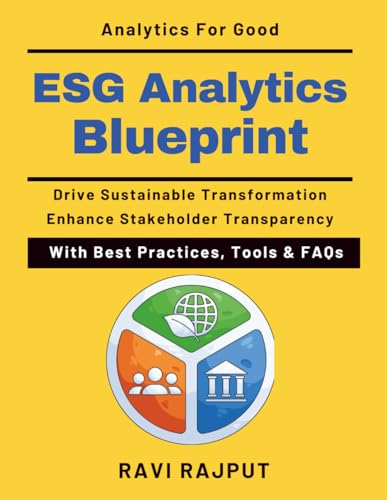
ESG Analytics Blueprint: KPI Design | Reporting Dashboards | ESG Analytics in Business | Data-Driven ESG Solutions | ESG Strategy Implementation | ESG Performance Tracking Tools | Risk Monitoring
As an affiliate, we earn on qualifying purchases.
As an affiliate, we earn on qualifying purchases.
What Remains Unclear
It remains unclear how quickly smaller suppliers will be able to meet these new upstream compliance demands, and whether regulatory frameworks will evolve to support or standardize this shift. The full impact on supply chain costs and structure is still developing.
digital traceability solutions for SMEs
As an affiliate, we earn on qualifying purchases.
As an affiliate, we earn on qualifying purchases.
What’s Next
Next steps include the rollout of new digital compliance tools, industry standards, and potential regulatory updates. Companies will likely monitor the impact on supply chain resilience and costs, with some early adopters setting benchmarks for others to follow.
cybersecurity compliance tools for suppliers
As an affiliate, we earn on qualifying purchases.
As an affiliate, we earn on qualifying purchases.
Key Questions
What does moving compliance upstream mean for small and medium-sized enterprises?
It means SMEs will need to enhance their data collection, reporting, and compliance processes to meet the standards set by larger firms, potentially incurring new costs and operational changes.
Why are companies shifting compliance requirements upstream now?
Driven by increasing regulatory pressures, investor demands, and the desire to reduce supply chain risks, companies aim for greater transparency and accountability throughout their entire supply networks.
Will this trend lead to new regulations or standards?
It is possible, as industry groups and regulators may develop frameworks to support consistent upstream compliance practices, but details are still emerging.
How might this impact supply chain costs?
Upstream compliance could increase costs for suppliers due to new data and process requirements, but it may also reduce risks and disruptions, offering long-term benefits.