
TL;DR
Listen free for 30 days with Audible
Thousands of audiobooks and originals — cancel anytime.
As an affiliate, we earn on qualifying purchases.
A former macOS developer calls for bringing back the grid layout for virtual desktops, criticizing Apple’s shift to a single-row Mission Control. The change impacts user productivity and spatial memory, sparking debate among power users.
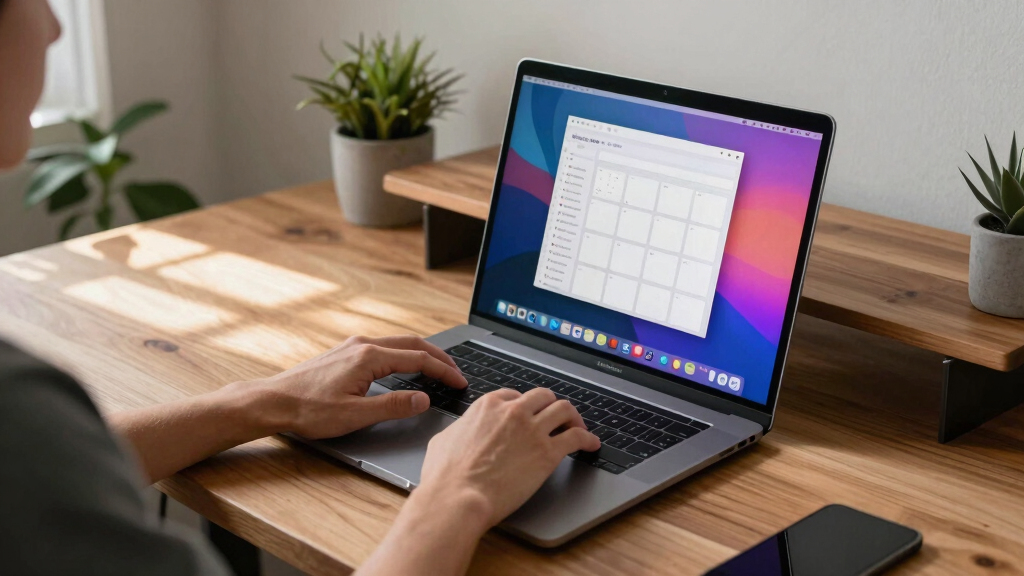
A former macOS developer has created an application to restore the grid-based virtual desktop layout that Apple removed in macOS Lion, citing user experience and productivity concerns. This development matters because it highlights ongoing user dissatisfaction with recent macOS interface changes and raises questions about Apple’s design direction.
The developer, who has extensive experience with macOS and virtual desktops, recalls the original grid layout introduced with macOS Leopard in 2006. This grid allowed users to organize virtual desktops spatially, mimicking physical screens and enabling muscle memory navigation. In 2011, Apple replaced this with Mission Control, which restricts desktops to a single horizontal row, disrupting the spatial organization users relied on. The developer built an app that removes the animation transition between spaces, creating a smoother, grid-like experience reminiscent of earlier macOS versions. The app is available for download and has garnered attention from users frustrated with current virtual desktop arrangements. Despite attempts with third-party window managers, the developer prefers dedicated workspaces over traditional window shuffling, emphasizing the importance of spatial memory for productivity.
Why It Matters
This issue is significant because it addresses a core aspect of user productivity and interface familiarity. Many power users and developers rely on spatial organization to manage multiple tasks efficiently. The removal of the grid layout has been a point of frustration, impacting workflow and user experience. Restoring or mimicking the grid could influence future macOS updates and user interface design decisions, especially as Apple continues to evolve its desktop environment.
As an affiliate, we earn on qualifying purchases.
Background
macOS introduced virtual desktops with Spaces in 2006, allowing users to organize applications across multiple screens. The 2006 version supported a grid layout, which many users found intuitive. However, in 2011, Apple replaced this with Mission Control, which arranges desktops in a single horizontal row, complicating navigation for those accustomed to the grid. This change was met with criticism from power users, some of whom resorted to third-party tools like Total Spaces. Recently, a developer discovered a way to disable the transition animation between spaces, enabling a more seamless experience similar to earlier versions, prompting renewed interest in restoring the grid layout.
“I miss what the original macOS Spaces offered — a true grid that mimicked physical displays and supported muscle memory.”
— the developer
“The single-row Mission Control makes switching between desktops slower and less intuitive, especially when managing multiple applications.”
— a user familiar with macOS
As an affiliate, we earn on qualifying purchases.
What Remains Unclear
It is not yet clear whether Apple plans to revisit the grid layout in future macOS updates or incorporate similar features. The current app is a workaround, and its compatibility with upcoming macOS versions remains uncertain. Additionally, whether other users will adopt or support this approach is still to be seen.
virtual desktop organizer for Mac
As an affiliate, we earn on qualifying purchases.
As an affiliate, we earn on qualifying purchases.
What’s Next
The developer plans to continue refining the app and monitor user feedback. Discussions within the macOS community may influence Apple’s design choices, and future macOS updates could potentially reintroduce grid-like virtual desktop organization. Further technical developments and official statements from Apple are anticipated.
macOS workspace customization software
As an affiliate, we earn on qualifying purchases.
As an affiliate, we earn on qualifying purchases.
Key Questions
Will Apple reintroduce the grid layout for virtual desktops?
It is currently unknown. There has been no official announcement, but user demand and community efforts could influence future updates.
How does the new app restore the grid experience?
The app disables the transition animation between spaces, allowing users to navigate desktops more seamlessly and in a grid-like manner, similar to earlier macOS versions.
Is this app compatible with the latest macOS versions?
The developer is actively testing compatibility, but it remains uncertain whether it will work with future macOS updates or require ongoing adjustments.
Why did Apple change from a grid to a single-row layout?
Apple has not provided a detailed explanation. The change may have been motivated by design philosophy, interface simplification, or technical considerations.
Can third-party window managers replace the need for a grid layout?
While some users rely on window managers, the developer prefers dedicated workspaces over shuffling windows, emphasizing the importance of spatial memory for productivity.
Source: Hacker News
Flea & tick season Picks
flea and tick prevention
As an affiliate, we earn on qualifying purchases.