
TL;DR
Prime for Young Adults — start your free trial
Fast free delivery, streaming and member deals for eligible 18–24 year olds.
As an affiliate, we earn on qualifying purchases.
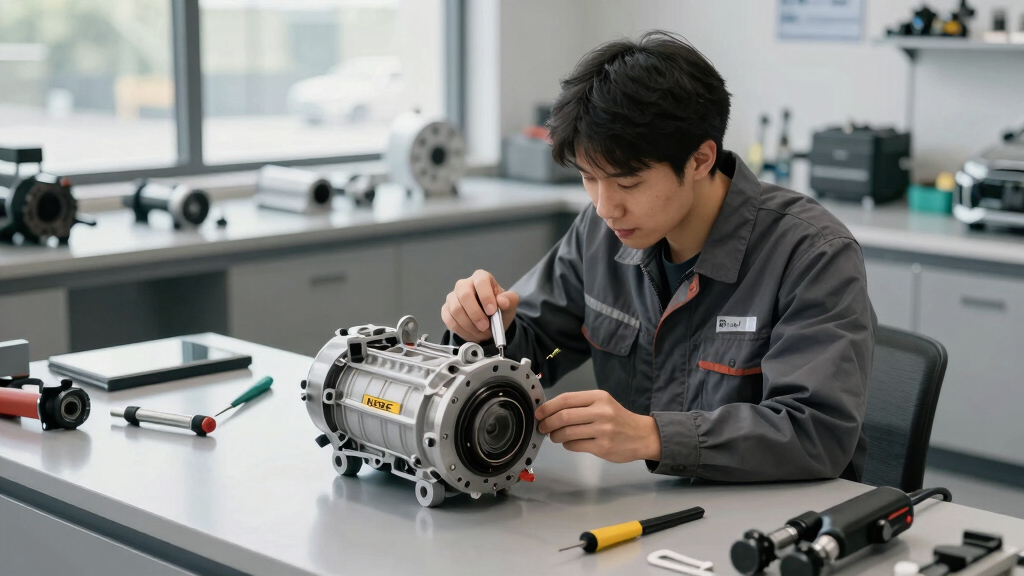
Nidec will end its joint venture with a Chinese company for electric vehicle axles, reflecting a strategic shift away from EV powertrain expansion. The move comes amid increased market competition and restructuring efforts.
Nidec, the Japanese motor manufacturer, has announced it will dissolve its joint venture with a Chinese company for electric vehicle axles, marking a significant shift in its EV component strategy.
The company’s CEO, Mitsuya Kishida, stated that Nidec aims to withdraw from the e-axle business, which has become highly competitive and less profitable. The decision reflects a broader restructuring effort as Nidec scales back its focus on EV drive parts, according to sources familiar with the matter.
The joint venture, established to develop and produce electric axles for EVs, will be officially terminated, although specific timelines and the impact on employees and operations are still being finalized. Nidec’s move aligns with its broader strategy to prioritize core motor and drive systems, moving away from highly commoditized EV powertrain components.
Why It Matters
This development is significant because it indicates a strategic retreat by Nidec from a competitive and challenging segment of the EV supply chain. As automakers accelerate their EV plans, component suppliers like Nidec are reassessing their portfolios amid intense market competition and margin pressures. The move also underscores the cautious approach Japanese manufacturers are taking toward expanding in China’s EV market, which has become increasingly competitive and politically sensitive.
electric vehicle motor drive systems
As an affiliate, we earn on qualifying purchases.
As an affiliate, we earn on qualifying purchases.
Background
Nidec’s decision follows a period of aggressive expansion into EV components, including the establishment of various joint ventures globally. However, the company has faced mounting challenges in the e-axle market, which has seen fierce competition from both established automakers and new entrants. CEO Mitsuya Kishida previously indicated that Nidec’s focus would shift toward more profitable motor and drive systems rather than commoditized EV powertrain parts. This move is part of a broader restructuring effort announced earlier this year, as Nidec seeks to strengthen its core business segments amid a rapidly evolving automotive landscape.
“Nidec wants to withdraw from the e-axle business, which has become rife with cutthroat competition.”
— CEO Mitsuya Kishida
As an affiliate, we earn on qualifying purchases.
What Remains Unclear
It is not yet clear how the dissolution will affect Nidec’s existing contracts or its broader operations in China and other markets. Details about the timeline for the JV’s closure and potential impacts on employees or supply chains remain undisclosed. The company’s future plans for EV components beyond this JV are also still under consideration.
As an affiliate, we earn on qualifying purchases.
What’s Next
Nidec is expected to begin formal procedures to dissolve the joint venture in the coming months. The company may also shift resources toward its core motor and drive system businesses, with further strategic announcements anticipated as it refocuses its portfolio.
As an affiliate, we earn on qualifying purchases.
Key Questions
Why is Nidec ending its JV in China?
Nidec is exiting the EV axle business due to intense market competition and a strategic shift toward focusing on its core motor and drive systems, which are more profitable.
Will this affect Nidec’s global EV component business?
The move appears to be a localized retreat from the Chinese EV axle market; Nidec may continue other EV-related activities but is re-evaluating its overall EV drive parts strategy.
What does this mean for the Chinese EV market?
The exit of a Japanese supplier like Nidec could signal increased challenges for foreign firms operating in China’s EV supply chain, possibly leading to further consolidation or shifts among suppliers.
When will the JV be officially dissolved?
The specific timeline for the dissolution has not been publicly announced but is expected to proceed in the coming months as Nidec completes its restructuring plans.
Fall yard work Picks
leaf blowers
As an affiliate, we earn on qualifying purchases.