
TL;DR
A security researcher has publicly claimed that Microsoft intentionally built a backdoor into BitLocker encryption. The researcher has also released an exploit that demonstrates how this backdoor could be accessed. The claims are unverified by Microsoft and are currently under scrutiny.
A security researcher has claimed that Microsoft secretly built a backdoor into BitLocker, the encryption tool used widely in Windows systems, and has released an exploit demonstrating how it could be accessed. This allegation raises significant concerns about user privacy and security, though the claims are unverified by Microsoft.
The researcher, whose identity has not been publicly disclosed, published a detailed report alleging that Microsoft incorporated intentional vulnerabilities into BitLocker, a widely used disk encryption system. According to the researcher, the backdoor would allow unauthorized access to encrypted data without the need for user credentials or recovery keys. Alongside the claim, the researcher has released an exploit that demonstrates how the backdoor could be exploited in practice.
Microsoft has not yet issued a public response to these allegations. The researcher’s claims are based on reverse engineering and analysis of the BitLocker implementation, but have not been independently verified by third-party security experts or Microsoft. The exploit itself is now publicly available, raising the possibility that malicious actors could potentially leverage it if the claims prove accurate.
Why It Matters
If verified, the claim that Microsoft built a backdoor into BitLocker would have profound implications for global data security and user privacy. BitLocker is a core component of many enterprise and personal security architectures, and any intentional vulnerability could undermine trust in Microsoft’s security offerings. It could also prompt governments and organizations to reconsider reliance on Windows encryption and accelerate the adoption of alternative security measures.

TPM 2.0 Cryptographic Security Module, 20 Pin LPC Interface, Strong Encryption Performance, Small Size, Wide Compatibility, Supports BitLocker Encryption Software
[Versatile Application] Suitable for tpm 9665h tcg 2.0, this cryptographic security module safeguards data with verification and secure…
As an affiliate, we earn on qualifying purchases.
As an affiliate, we earn on qualifying purchases.
Background
BitLocker has been a standard encryption tool in Windows since Windows Vista, designed to protect data at rest. Over the years, there have been various security analyses and concerns about potential vulnerabilities, but no confirmed intentional backdoors have been publicly disclosed by Microsoft. This new claim arises amid ongoing scrutiny of government and corporate encryption practices and comes after previous allegations of intentional vulnerabilities in other security products.
“We have found evidence suggesting that Microsoft embedded a backdoor into BitLocker, which could allow unauthorized access under certain conditions.”
— Security researcher (anonymous)
“Microsoft does not comment on unverified claims or speculative reports. We are committed to the security and privacy of our users.”
— Microsoft spokesperson (unnamed)
“The claims are serious and warrant independent verification. Until then, users should remain cautious and follow best security practices.”
— Cybersecurity analyst (independent)

Password Reset Disk for Windows 7, 8.1, 10, 11, Windows Password Recovery USB, Password Reset Tool
FOR FULL INSTRUCTION PLEASE READ DESCRIPTION
As an affiliate, we earn on qualifying purchases.
As an affiliate, we earn on qualifying purchases.
What Remains Unclear
It remains unclear whether the alleged backdoor is intentionally embedded by Microsoft or if the findings are the result of a security flaw or misinterpretation. Microsoft has not confirmed or denied the existence of such a backdoor, and the validity of the exploit has not been independently verified. The full technical details and potential scope of the vulnerability are still emerging.

Kingston Ironkey Locker+ 50 32GB Encrypted USB Flash Drive | USB 3.2 Gen 1 | XTS-AES Protection | Multi-Password Security Options | Automatic Cloud Backup | Metal Casing | IKLP50/32GB,Silver
XTS-AES Encryption with Brute Force and BadUSB Attack Protection
As an affiliate, we earn on qualifying purchases.
As an affiliate, we earn on qualifying purchases.
What’s Next
Microsoft is expected to review the claims and investigate the exploit. Security researchers and industry experts will likely analyze the provided evidence to assess its validity. Microsoft may also issue a formal response or security update if the allegations are substantiated. Meanwhile, users are advised to monitor official channels for guidance and updates.
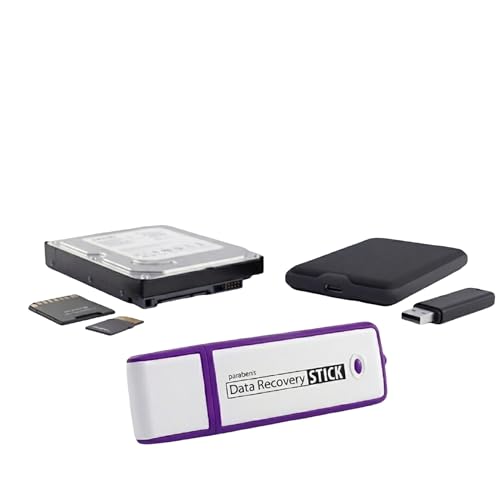
Data Recovery Stick | USB Data Recovery Device | Windows Data Recovery Software | Recover SD Card, Photos, Files
The Data Recovery Stick requires no technical skills — simply plug it into your Windows computer, click Start,…
As an affiliate, we earn on qualifying purchases.
As an affiliate, we earn on qualifying purchases.
Key Questions
Has Microsoft confirmed the backdoor in BitLocker?
No, Microsoft has not confirmed the existence of any backdoor in BitLocker. The company has issued a standard statement denying any knowledge of unverified claims.
What technical evidence has been presented?
The researcher has published an exploit demonstrating how the alleged backdoor could be accessed, but the full technical details are still under review by experts.
Should users stop using BitLocker?
There is no official guidance suggesting users stop using BitLocker. Users should stay informed through official channels and apply security updates when available.
Could this backdoor be exploited by malicious actors?
If the claims are valid, the exploit could potentially be used maliciously. However, verification is pending, and users are advised to follow best security practices.