
TL;DR
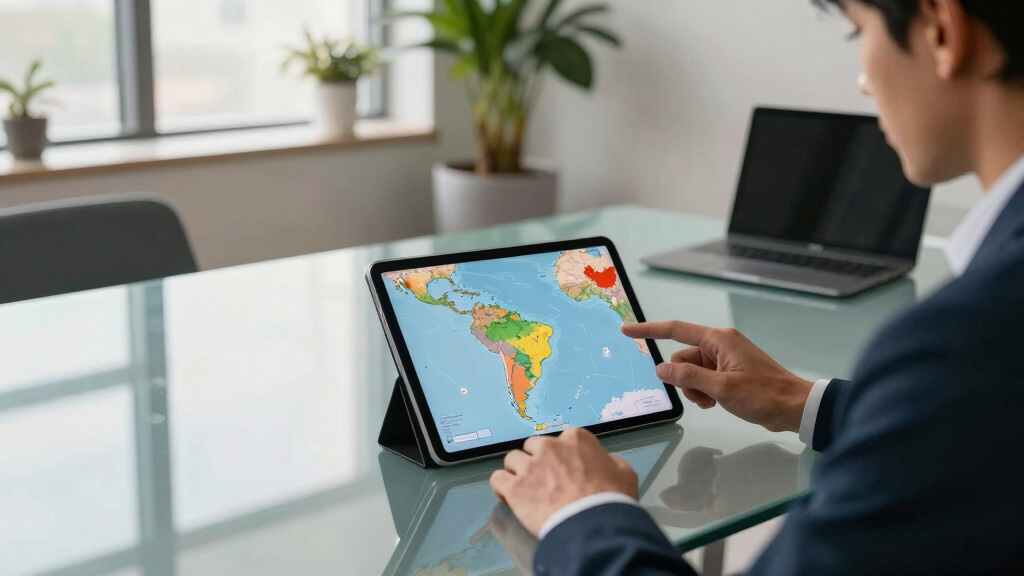
Under President Trump, the U.S. has intensified efforts to limit China’s influence in Latin America by fostering pro-Washington governments and regional partnerships. This shift challenges China’s Belt and Road initiatives in the region.
U.S. President Donald Trump’s administration is actively working to block China’s expanding influence in Latin America, leveraging diplomatic, economic, and political strategies to support pro-Washington governments in the region.
Recent reports indicate that the Trump administration has increased diplomatic engagement with Latin American countries, aiming to strengthen alliances that oppose Chinese investments and influence. This includes supporting political parties and governments aligned with U.S. interests, as well as promoting regional initiatives that exclude China from key infrastructure and development projects.
In particular, countries like Mexico and Colombia have seen increased U.S. diplomatic efforts, with some governments adopting policies that favor Western-backed development over Chinese-led initiatives. This shift appears to be part of a broader strategy to contain China’s Belt and Road Initiative (BRI) in Latin America, which has historically gained ground through infrastructure investments and economic partnerships.
Why It Matters
This development matters because it signals a strategic contest for influence in Latin America, a region historically viewed as a geopolitical battleground. By curbing China’s influence, the U.S. aims to maintain regional dominance, which could impact global power balances, trade routes, and economic alignments. Additionally, this shift could alter the trajectory of infrastructure development and economic cooperation in Latin America, affecting local economies and geopolitical stability.
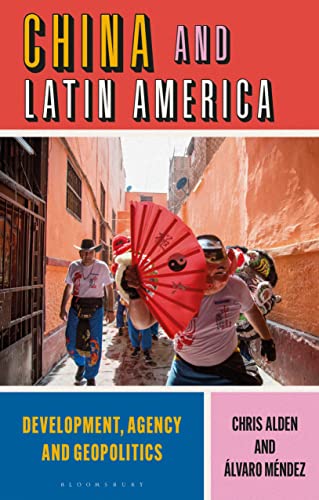
China and Latin America: Development, Agency and Geopolitics
As an affiliate, we earn on qualifying purchases.
As an affiliate, we earn on qualifying purchases.
Background
Over the past decade, China has significantly expanded its presence in Latin America through the Belt and Road Initiative, investing in infrastructure, energy, and telecommunications projects. However, since Trump’s second term began, U.S. policies have increasingly focused on countering this influence by fostering regional alliances aligned with Washington’s strategic interests. This includes renewed diplomatic outreach, economic incentives, and political support for governments resistant to Chinese influence.
Historically, U.S. engagement in Latin America has fluctuated, but recent efforts appear more coordinated and deliberate, aiming to reassert dominance in the region amid China’s growing footprint. The effectiveness and long-term impact of these strategies remain uncertain, as some countries continue to pursue independent or multi-aligned foreign policies.
“The U.S. is clearly trying to reassert influence by supporting governments that are skeptical of Chinese investments, which could significantly reshape regional geopolitics.”
— Analyst Jane Doe, Latin America Policy Institute
“Our goal is to promote sustainable development and regional stability, countering efforts that undermine these objectives.”
— U.S. State Department spokesperson
U.S. Latin America diplomatic strategy guide
As an affiliate, we earn on qualifying purchases.
As an affiliate, we earn on qualifying purchases.
What Remains Unclear
It is still unclear how sustained or effective these U.S. efforts will be in the long term, as some Latin American countries continue to engage with China and pursue independent foreign policies. The precise impact on Chinese investments and regional influence remains to be seen.

Strategic Implications of Chinese Influence in the Latin America Region
As an affiliate, we earn on qualifying purchases.
As an affiliate, we earn on qualifying purchases.
What’s Next
Next steps include monitoring whether the U.S. can maintain and expand its diplomatic and economic initiatives in Latin America, and how China responds to these efforts. Upcoming regional summits and bilateral meetings in 2026 are expected to be key moments for assessing progress.

Public-Private Partnership Projects in Infrastructure
As an affiliate, we earn on qualifying purchases.
As an affiliate, we earn on qualifying purchases.
Key Questions
What specific strategies is the U.S. using to block China’s influence?
The U.S. is increasing diplomatic engagement, supporting pro-Washington governments, and promoting regional initiatives that exclude China from infrastructure and development projects.
Which Latin American countries are most affected by this shift?
Countries like Mexico, Colombia, and others in Central America are seeing increased U.S. diplomatic efforts aimed at reducing Chinese influence.
How has China responded to these U.S. efforts?
Details on China’s specific responses are still emerging, but China continues to pursue its Belt and Road projects in Latin America, seeking to maintain its influence despite U.S. efforts.
Could this strategy backfire or lead to increased regional tensions?
It is possible, as regional countries may seek to balance relations with both powers, potentially leading to complex geopolitical dynamics. The long-term effects are still uncertain.